 English
 中文简体
中文简体 Español

Cat:Wire Wheel Brush
It features curved wire bristles that provide superior flexibility and uniform contact with the surface, ensuring effici...
See Details
Metal fabrication really comes down to picking processes that turn raw material into finished parts, and cutting versus punching represent two fundamentally different ways of getting there. One removes material, the other displaces it — and that difference in approach touches nearly every part of production once you follow it through.
Cutting removes material along a path to carve shapes out of flat stock. Punching forces a tool straight through the material to create holes or contours instead. They work in genuinely different ways, and that's really why each one suits a different type of job.
Process selection shapes the whole production workflow that follows. Cutting systems handle a wider range of shapes with less dedicated tooling standing behind them. Punch press systems run faster once they're set up, but they demand specific tooling for each job — and that trade‑off ripples out well beyond the machine itself.
Long‑term production capability really hinges on that initial choice, too. Equipment bought for one type of operation doesn't easily pivot to the other. The decision made during equipment selection ends up shaping a facility's capabilities for years afterward, which is exactly why getting it right at the start matters so much.
Cutting systems remove material to separate shapes from a sheet or plate. A few methods fall under this umbrella, each with its own personality — laser cutting, plasma cutting, and waterjet cutting are the common ones people reach for.
The basic principle behind cutting involves using energy to melt, burn, or erode material along a path. The tool doesn't touch the material the way mechanical processes do; separation happens through heat or pressure instead, working its way through rather than physically shearing it.
Cutting fits certain parts and materials particularly well. Intricate shapes with tight corners tend to come out easier through cutting than through punching. Thicker materials that would strain punch tooling can often be cut effectively instead. The process also handles lower volumes economically, since tooling costs generally stay lower across the board.
Cutting systems tend to fit best into production environments where variety matters more than raw speed. A shop running many different parts in modest quantities usually leans toward cutting over punching, since the flexibility it offers really supports job shop operations well.
Punch press systems use mechanical or hydraulic force to drive a tool straight through material. That tool, called a punch, cuts a shape out of the workpiece, and the material removed simply falls away as scrap.
The operating principle here comes down to shear between the punch and die. The punch descends through the material into a die opening shaped to match it. The action happens fast and leaves clean edges with genuinely good dimensional accuracy.
Punching parts ways from cutting in a few notable respects. Punching displaces material rather than melting or eroding it away. The whole process stays mechanical and doesn't generate heat the way thermal cutting does, and that lack of heat‑affected zones can be a real advantage for certain materials that are sensitive to it.
Punch press systems bring clear advantages in specific applications. High‑volume production of simple shapes plays to their strengths. The speed of the operation cuts down cycle time per part, and the consistency built into the process really supports steady quality control across a run.
Volume shapes the economics of any fabrication process pretty heavily. Higher volumes spread fixed costs across more parts, which pulls the cost per piece down as production scales up.
Setup time affects cost per part differently depending on volume. A process with a long setup and a short cycle time can run expensive for small batches but turn genuinely economical for large runs. A process with a short setup and a longer cycle time tends to work better for smaller batches instead.
Tooling costs play into the volume decision too. Cutting systems often need less dedicated tooling, which makes them attractive for low‑volume work. Punch press systems can demand a significant tooling investment — one that really only makes sense once volume is high enough to justify it.
Volume really has to be part of the selection process from the start. Expected production quantities should guide the equipment choice directly. A machine picked for high‑volume production tends to run inefficiently at low volume, and the reverse holds just as true.
| Decision Factor | Cutting System | Punch Press System |
|---|---|---|
| Initial investment | Generally lower | Generally higher |
| Tooling cost | Lower per part for simple shapes | Higher but can be spread across volume |
| Setup time | Often quicker | May require more setup |
| Speed per part | Slower per piece | Faster per piece |
| Material utilization | Good for complex shapes | Good for high‑volume runs |
| Flexibility | High | Limited by tooling |
Part geometry plays a real role in which process ends up working better for the job. Some shapes come together more easily with one method than the other, and that difference is worth weighing carefully before committing to equipment.
Complex shapes with tight radii and intricate features tend to come out easier through cutting systems. The cutting path just follows the part outline without needing specialized tooling for every single feature along the way. Punching complicated shapes, on the other hand, often demands multiple operations or progressive tooling to get there.
Each process runs into its own limitations with intricate features. Punching produces clean edges on simple geometries but struggles once sharp internal corners enter the picture. Cutting handles those features fine but can leave heat‑affected zones behind, sometimes needing secondary finishing to clean things up afterward.
Complexity really shapes both cost and feasibility together. A part that's genuinely difficult to punch might be perfectly economical to cut instead. A part that demands high speed and tight consistency might justify the tooling investment punching requires. In the end, the part's geometry is really what points toward the right process.
Material type and thickness genuinely shape which process makes sense, since different materials respond in their own ways to cutting versus punching. How a material behaves under stress really determines both process capability and final part quality.
Harder materials demand more force to punch through cleanly. Softer materials sometimes deform instead of shearing the way you'd want. Cutting, by contrast, handles a much wider spread of hardness without forcing a tool change every time the material changes.
Ductile materials tend to shear cleanly under punching, which is really where the process shines. Brittle materials, though, can crack or chip right at the punch edge instead of separating neatly. Cutting sidesteps that problem entirely, since it melts or erodes material rather than shearing it apart.
Material specifics shouldn't get glossed over during selection. What works beautifully for one material can fall flat on another, so confirming the material spec before locking in equipment really matters. A few things worth checking:
Tooling eats up a real chunk of cost in any fabrication operation, and the type and volume of tooling needed splits pretty sharply between cutting and punch press setups.
Cutting brings its own tooling depending on the method. Laser cutting relies on mirrors and lenses that need periodic swapping out. Plasma cutting burns through consumable electrodes and nozzles. Waterjet cutting goes through abrasive material and nozzles of its own. Each method carries its own cost profile here.
Punch press work needs punches, dies, and strippers built for each specific operation. Every hole shape needs its own dedicated tool set. Complex parts can push things toward progressive dies with multiple stations, and tooling costs climb quickly once that happens.
Lead time and cost diverge sharply between the two approaches. Cutting tooling tends to run cheaper and shows up faster. Punch tooling, especially for complicated shapes, can mean a real wait and a real bill. That difference alone can steer a facility running lots of varied parts toward cutting, while simple high‑volume runs might tolerate the punch tooling investment just fine.
Operational factors reach well past the machine itself — skill requirements, maintenance demands, and floor space all weigh into the real‑world decision.
Skill needs diverge between the two. Cutting systems lean on programming and setup know‑how. Punch press systems lean on toolmaking and die‑setting skill instead. Whether that expertise already exists on staff is worth checking honestly before committing either way.
Maintenance splits differently too. Cutting equipment needs regular consumable swaps and careful optics upkeep. Punch press equipment needs die maintenance and mechanical system care on its own schedule. Neither is inherently lighter — they're just different kinds of upkeep.
Floor space matters as well, and it varies a lot by configuration. A High Speed Punch Press might need less floor space than a large cutting system does. An Automatic Punch Press with tooling storage attached can eat up a surprising amount of area. A Power Punch Press, once you factor in associated equipment, often calls for genuinely careful layout planning around it.
A few operational points worth weighing:
Changeover time really shapes how efficiently a shop can juggle different jobs. Long changeovers push toward large batch sizes just to stay productive; quick changeovers open the door to smaller batches and genuine flexibility.
How often jobs change really dictates what equipment makes sense. A facility switching jobs constantly needs short changeover times to stay efficient. A facility running the same job for weeks at a stretch can tolerate a longer changeover without much pain.
The two systems handle changeovers quite differently, too. Punch press systems often need physical die changes, which take real time. Cutting systems mostly just need a program swap, which happens fast by comparison. That gap in changeover approach adds up across a shift and shapes overall productivity more than people sometimes expect.
Machine utilization tells the real story here. A machine stuck in changeover for a big chunk of the day simply produces fewer parts. One that changes over quickly spends more of its time actually making things — and that difference compounds over weeks and months.
A systematic approach to equipment selection genuinely leads to better outcomes. Asking the right questions upfront clarifies things and cuts down the risk of ending up with the wrong system for the job.
The core questions really need to focus on production requirements. What volumes are expected? What materials will actually run through it? What part geometries need to come out the other end? What quality standards have to be hit? What skill level do the operators bring? How much floor space is actually available? Each answer narrows the field a bit further.
Future needs deserve a seat at the table too. Production requirements shift over time, often faster than people plan for. A system chosen for today's workload should have some room to grow with tomorrow's, since building in that flexibility now avoids early obsolescence down the road.
A solid decision‑making approach usually includes:
The right system, in the end, meets production requirements at a reasonable cost while genuinely fitting the facility's existing capabilities. A rushed decision can easily land on equipment that doesn't actually serve the operation's needs. Taking real time to work through these questions gives a much better shot at a choice that holds up for both immediate demands and whatever comes next.
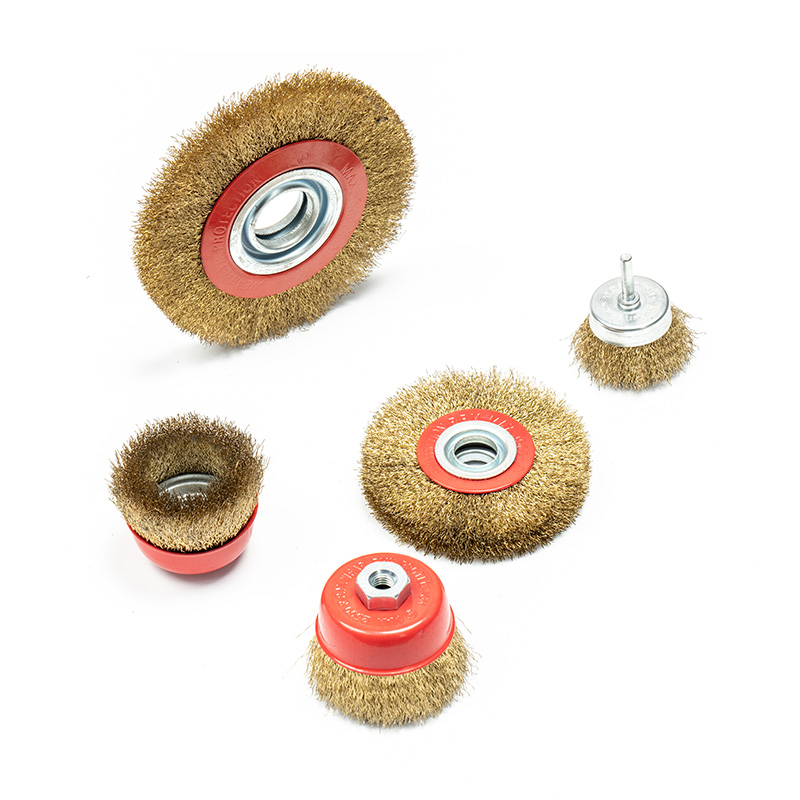
It features curved wire bristles that provide superior flexibility and uniform contact with the surface, ensuring effici...
See Details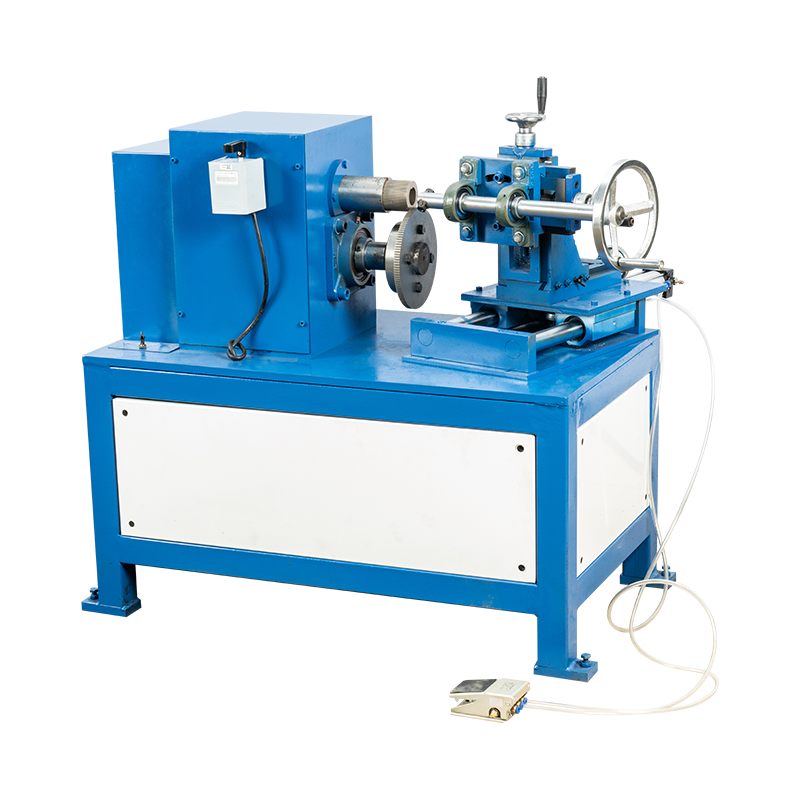
A common application is in the production of curved wire steel brush bowls, where precision trimming is essential to ens...
See Details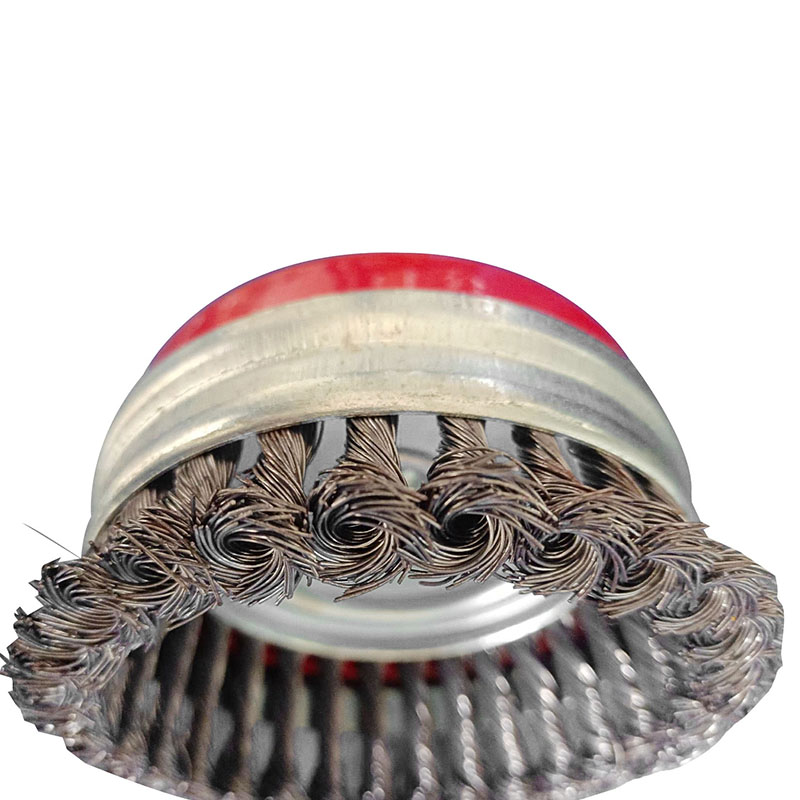
The Bowl Type Twisted Wire Brush is an industrial-grade cleaning tool designed for surface preparation, rust removal, an...
See Details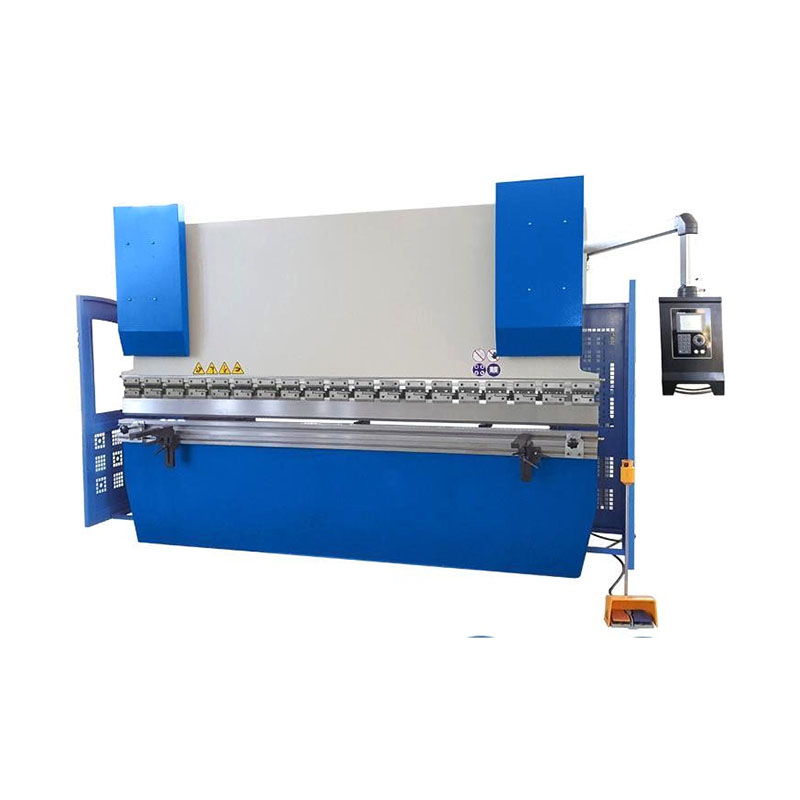
The CNC high precision bending machine is designed for bending metal sheets, such as steel, aluminum, and stainless stee...
See Details
We warmly welcome all industrial and trade companies, converters, abrasives and tool agents and distributors to join us, enjoy Tarun's platform, develop their own markets, and share world resources!
 Email:
 Phone:
+86-18867586928
 Address:
Xiaxichi Industrial Zone, Gushan Town, Yongkang City, Jinhua City, Zhejiang Province

Scan the QR code
Copyright © Yongkang Tarun Technology Co., Ltd.

Metal Processing Automatic Machine Factory

+86-18867586928


Contact Us