 English
 中文简体
中文简体 Español

Cat:Wire Wheel Brush
This brush is particularly useful in wire bending and shaping processes, where it helps to remove contaminants, debris, ...
See Details
Plenty of metal parts in everyday products go well past flat panels or a simple bend. A single component might combine curved surfaces, raised ribs, flanged edges and tight-radius corners all in one piece. These features aren't decorative afterthoughts — they add strength, create attachment points, improve appearance or let the part mate correctly with everything else in an assembly.
Reproducing these shapes consistently across thousands or millions of units is where things get tricky. A geometry that comes together fine in a prototype shop doesn't always translate cleanly to high-volume production. The forming method chosen ends up shaping both part quality and cost. Certain techniques handle simple geometries well but fall apart with intricate detail; others manage complexity fine but demand far more careful tooling work.
Manufacturing engineers spend a lot of time figuring out how flat sheet stock becomes a three-dimensional part with specific features built in. The finished geometry drives most of the decisions about how that part gets made. A simple bracket might need just one forming operation, while a more elaborate part often needs several steps, each one adding or refining a particular feature.
Design and production method are tightly linked here, since changes made downstream tend to get expensive fast. Nailing the forming approach early on saves time later and cuts down on rework nobody wants to pay for.
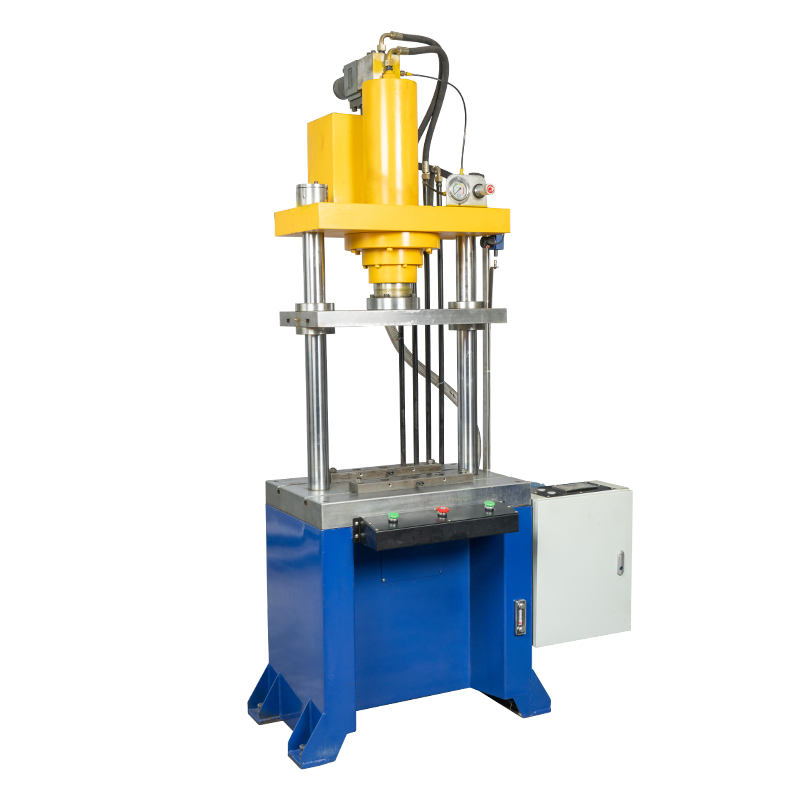
Stamping relies on force to reshape flat metal. A press drives a tool into the material, pushing it to flow into whatever configuration the tool defines. Depending on how that tool is built, a single press stroke can produce raised sections, recessed areas and contoured surfaces together.
Different features call for different forming approaches. Bending produces straight-line folds. Drawing creates deeper cavities. Coining compresses material to lock in precise detail. All of these rely on the same underlying idea — metal flows under pressure — but it's the tool geometry that dictates what actually happens to the material.
Tooling defines the boundaries of what's possible. A well-built tool controls metal movement so the material stretches and compresses exactly where it's supposed to. The same press capable of forming a basic bracket can just as easily produce a complex panel, provided the right tooling gets swapped in.
A handful of variables shape how the forming process actually turns out:
Each of these has a bearing on how closely the finished part matches its intended geometry. Tooling built with these variables in mind tends to deliver steadier results across long production runs.
Not every die is built to handle every shape. A tool that performs fine on simple forms can struggle badly with complex contours or tight-radius features. What separates a capable die from a limited one comes down to a handful of specific characteristics.
A die's job is to guide metal flow through the forming operation. Metal that moves without adequate control can thin out too much, tear or wrinkle. Clearance between punch and die, the radii on forming surfaces, and how well the tool surfaces are finished — all of this shapes material movement. A smoother surface cuts friction and lets metal flow more freely, while tight radii restrict flow and often demand higher forming force to compensate.
Wear resistance matters too, since tool surfaces shift gradually with repeated use. A die that resists wear holds its original geometry longer. Dimensional stability across the tool structure plays into this as well — any section that flexes or deflects under load introduces variability into the results.
The die material itself needs to withstand repeated loading without deforming. Tool steel comes in a range of grades, each offering its own balance of hardness, toughness and wear resistance. Picking the right one means weighing these properties against what the specific application actually demands.
A Precision Stamping Die built for complex shapes takes all of this into account. Tool geometry guides metal flow, material selection resists wear, and the overall construction holds up under repeated press cycles without losing accuracy.
Sheet metal doesn't behave identically every time it's put under pressure. How it responds depends on thickness, composition and condition — and a shift in any of these can change how the metal flows and how the finished part measures up.
Thicker stock generally needs more force to shape. Thinner material forms more readily but can wrinkle or tear under the wrong conditions. Composition drives ductility — how far the metal can stretch before it breaks.
Once forming is done, metal tends to spring back slightly. This elastic recovery kicks in once pressure releases, as the material tries to inch back toward its original shape. That springback can shift final part dimensions, so tool design has to account for it — often through slight over-forming or features built specifically to compensate for the movement.
Grain direction adds another wrinkle. Metal rolled in one direction doesn't behave the same as metal rolled in another. Forming operations aligned with the grain tend to turn out better, while features that require stretching across the grain often need more deliberate tool design to avoid trouble.
Getting a handle on these material characteristics helps engineers build dies that produce consistent parts even when incoming material varies slightly. The tool essentially has to anticipate how the metal wants to move and work around its natural tendencies.
A single stamped part can carry several distinct features spread across different locations — a deep drawn section here, a sharp bend there, a raised rib somewhere else. Each one comes with its own forming demands.
Some features pull metal inward. Others push material outward. The tool has to coordinate these competing movements, either simultaneously or across a sequence of steps. Trouble tends to show up when one feature draws metal from an area that a neighboring feature actually needs.
| Feature Type | Metal Movement | Tooling Consideration |
|---|---|---|
| Raised rib | Material pushed upward | Enough surrounding metal needs to be available |
| Deep recess | Material drawn inward | Clearance around the punch is essential |
| Flanged edge | Material turned over | Radius size affects the forming force needed |
| Tight-radius corner | Material compressed | Higher force required; wear risk goes up |
Where features sit relative to each other affects how the blank gets positioned in the tool and how metal actually moves during forming. Features crowded too close together risk interfering with one another, and the space between them determines how much material is left over for each individual operation.
Designing a die for parts like this comes down to sequencing. When a part needs multiple features, the order those features get formed in matters quite a bit. Some go in early, others come later in the process — and that sequence ultimately decides how cleanly each feature forms and whether the finished part hits its dimensional targets.
A stamping job almost never comes down to a single press stroke. Most complex parts move through multiple stages, with each one adding or refining a particular feature. Some stages block out the general shape. Others zero in on specific details. And the amount of control needed shifts quite a bit from one stage to the next.
Early forming operations tend to establish the overall outline. These initial stages move large volumes of metal and lay the groundwork everything else builds on. If that early shape comes out wrong, later operations can't fully correct it — precision at this point ripples through the entire process.
Later-stage operations, by contrast, refine specific features. These demand tighter control because they're working on smaller areas with more detailed geometry. A misalignment at a late stage can wreck a part that's already survived several earlier forming steps without issue.
The handoff between stations deserves just as much attention. As parts move from one operation to the next, their position has to stay consistent — any drift between stations chips away at dimensional accuracy. Solid tool design builds in features that help locate the part precisely at each stage. A Precision Stamping Die used across progressive operations needs to hold that positioning steady from station to station without fail.
Different regions of a finished part often call for different precision levels too. Mounting surfaces and mating points typically need tighter dimensional control, while cosmetic or non-critical areas can tolerate more slack. Good tooling applies the right level of control to each region rather than treating the whole part uniformly.
A stamping die is a lot more than just a punch and a die cavity. Multiple components work in concert during every press cycle — the upper section drives down, the lower section stays put, and various support elements guide, hold and release the part along the way.
Alignment between upper and lower sections has a direct effect on how features come out. Even slight misalignment shows up as uneven forming, dimensional variation or inconsistent surface quality. Good alignment starts with the press itself and carries through every component stacked into the tool.
Guide systems keep everything moving on track. Pillars, bushings and wear plates hold positioning steady across thousands or millions of cycles, though these parts wear down gradually — and their condition feeds directly into overall tool precision. Regular inspection of guide components catches wear before it starts affecting part quality.
Build quality matters just as much for long-term reproducibility. A tool built with proper clearances, solid support and the right materials holds its geometry far longer. Cutting corners during construction might save money up front, but it usually means earlier replacement or more frequent maintenance down the road.
A few construction elements worth paying attention to:
Each piece contributes to consistency. Tools built with genuine attention to these details tend to produce parts that hit specification far more reliably over time.
Tool surfaces don't stay put forever. Every press stroke generates friction and contact stress that slowly reshapes the tool's condition — sharp corners dull, smooth surfaces develop wear patterns, and critical dimensions drift bit by bit.
Regular inspection catches these shifts before they show up in the parts. A tool producing acceptable output at the start of a run may need attention after a certain number of cycles, and how quickly wear sets in depends on things like material hardness, forming force and lubrication.
Some surfaces need more frequent checking than others. Cutting or shearing edges wear fast. Forming surfaces under high contact pressure degrade steadily too. Surfaces that never actually touch the material, on the other hand, can stay unchanged for a long stretch.
Periodic dressing or reconditioning brings critical surfaces back into shape — sharp edges get renewed, worn surfaces get refinished, alignment gets checked and adjusted as needed. None of this is unusual; it's just part of owning a tool long-term. A Precision Stamping Die that gets proper maintenance keeps producing consistent parts well beyond what a neglected tool could manage.
Run a tool past its maintenance window, though, and parts will eventually start drifting from spec. Usually the first signs show up as subtle changes in surface quality or small dimensional shifts — easy to miss if nobody's watching closely.
Designing a Stamping Tool Die isn't just about matching part geometry. The tool also has to fit the production environment, work within press capabilities, and align with expected volume. Some designs chase output speed above all else. Others prioritize tool longevity or part quality instead.
Trade-offs show up everywhere. A die that forms a complex shape in fewer stations cuts down press time, but usually needs more sophisticated tooling to pull off. A simpler design spread across more stations is easier to build and maintain, but takes longer per part.
Certain geometries just need extra forming stages to get there. A deep drawn feature, for instance, might require several successive drawing operations rather than one shot. Each added stage brings more cost and complexity, but sometimes there's no way around it if the part has to meet spec.
Tool material choice reflects these same priorities. Harder tool steels resist wear well but can be tougher to machine. Tougher materials handle impact better but don't always hold a sharp edge as long. Picking the right one comes down to weighing what the specific job actually demands.
A few other design considerations worth factoring in:
The strongest tool designs balance all of this at once. A die that produces flawless parts but takes forever to set up or service isn't much use in a high-volume shop. Practicality carries just as much weight as raw technical capability once you're on the shop floor.
Building tooling for complex stamped parts means juggling a lot of factors at once — no single item decides success on its own, and every element interacts with the rest.
Part geometry is the natural starting point. The shape of the finished piece dictates what forming operations are needed and in what order. Features like undercuts, deep draws and tight radii each demand their own attention.
Tolerances define how much variation is actually acceptable. Some dimensions need tighter control than others, and those tolerances shape how precise each forming step has to be.
Material type and thickness shape forming behavior directly. A tool tuned for one material can behave quite differently with another, and shifts in material supply can throw off part quality if the tool wasn't built to accommodate that variation.
| Consideration | Why It Matters |
|---|---|
| Part geometry and features | Determines forming sequence and tool complexity |
| Required tolerances | Sets the precision needed at each stage |
| Material and thickness | Shapes forming forces and springback behavior |
| Production volume | Guides tool material and construction choices |
| Press availability | Limits what presses and strokes are feasible |
| Maintenance access | Affects how easily the tool can be serviced |
| Quality verification | Determines how formed features get checked |
Production volume and available press equipment shape the decision too. High-volume runs often justify more robust tooling, while lower volumes may get away with simpler builds. Whatever presses are actually on hand limit what kind of forming is realistic in the first place.
Maintenance access and how quality gets verified deserve early thought as well. A tool that's a pain to service means more downtime down the line. Inspection methods that are hard to execute well can let quality problems slip through unnoticed. Both factors weigh heavily on how effective the tooling actually turns out to be.
Getting tooling right for complex parts comes down to weighing all of these factors together rather than fixating on any one. The strongest results tend to come from thinking it through at every stage instead of solving problems as they show up.
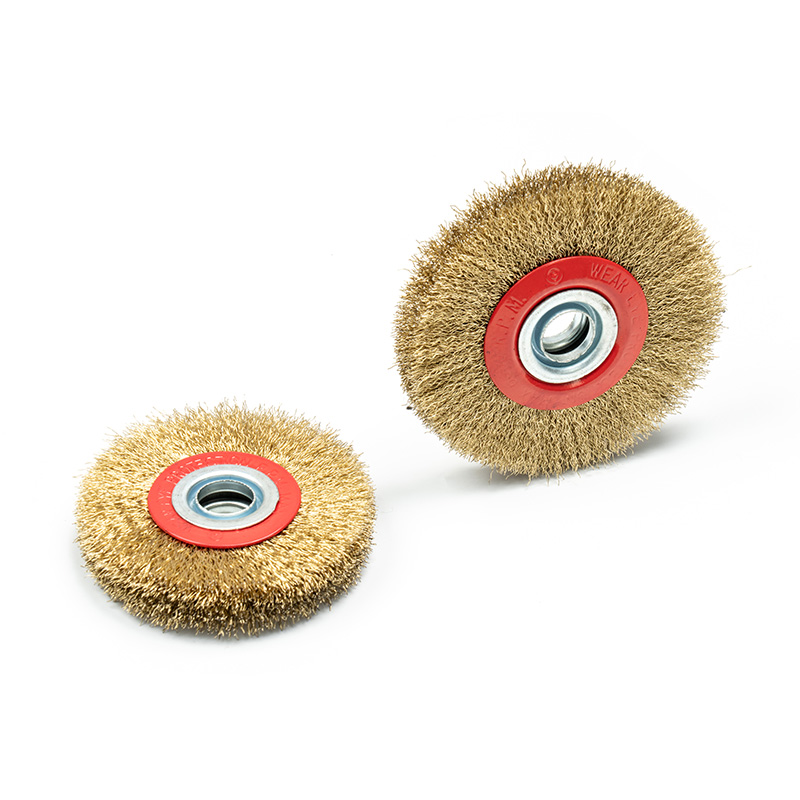
This brush is particularly useful in wire bending and shaping processes, where it helps to remove contaminants, debris, ...
See Details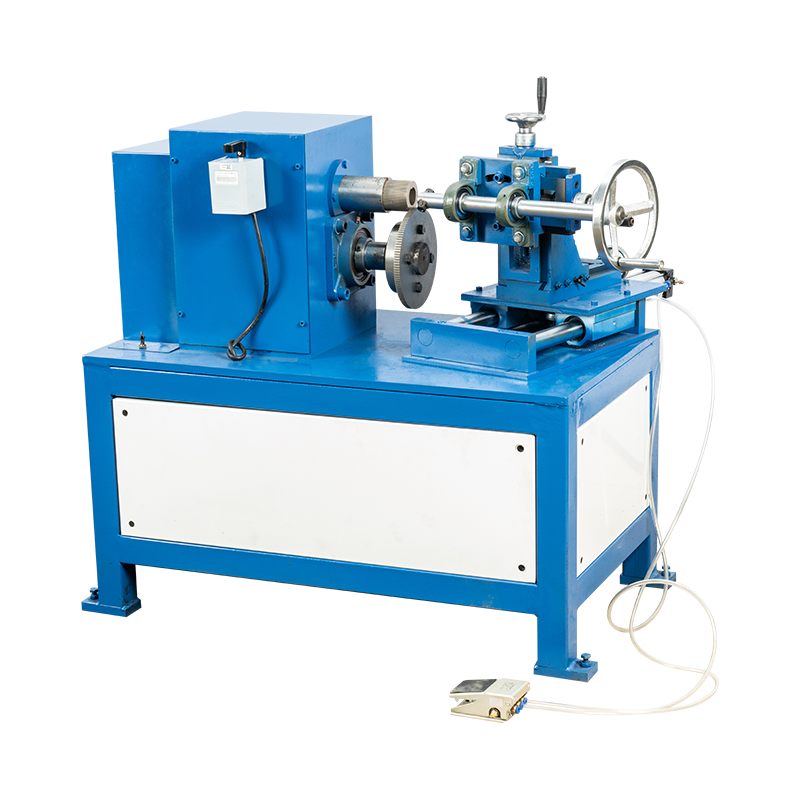
A common application is in the production of curved wire steel brush bowls, where precision trimming is essential to ens...
See Details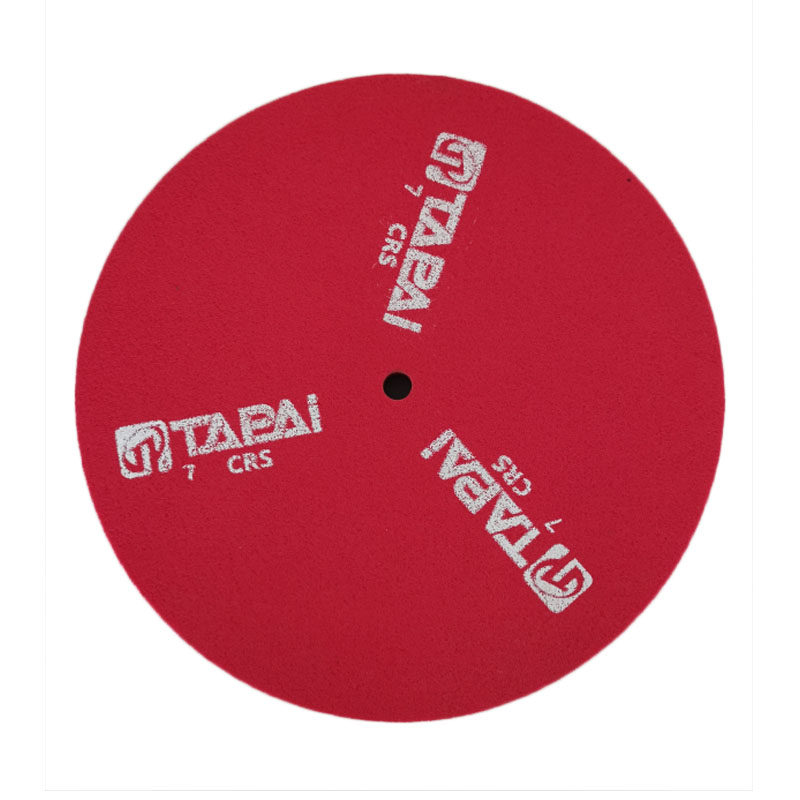
The Abrasion-Resistant Non-Woven Fiber Wheel is an advanced abrasive tool designed for a wide range of metalworking appl...
See Details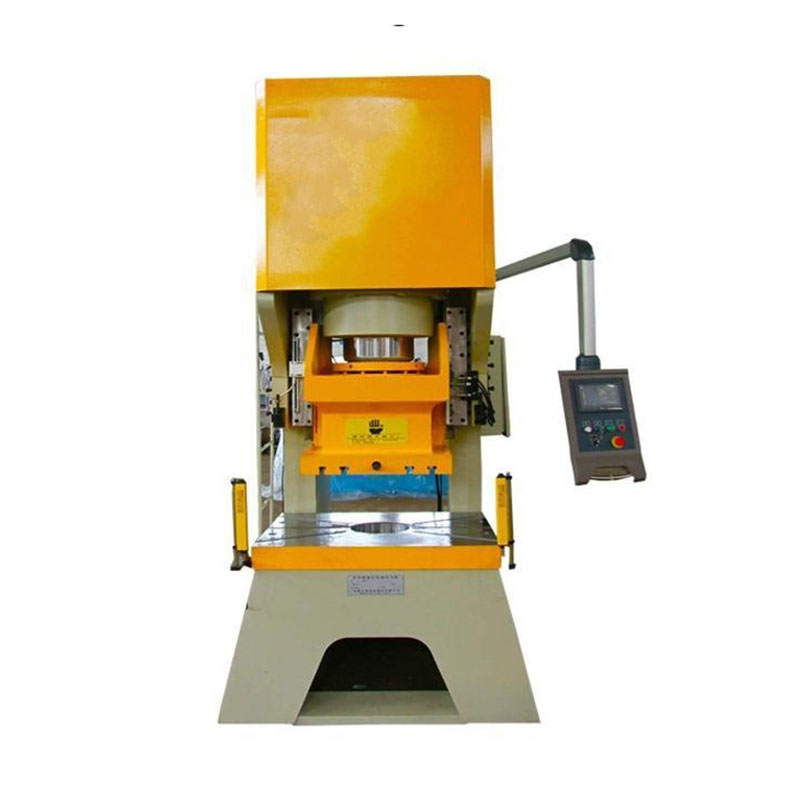
The CNC Precision Fast Punching Machine is designed to deliver high-speed, accurate, and reliable punching solutions for...
See Details
We warmly welcome all industrial and trade companies, converters, abrasives and tool agents and distributors to join us, enjoy Tarun's platform, develop their own markets, and share world resources!
 Email:
 Phone:
+86-18867586928
 Address:
Xiaxichi Industrial Zone, Gushan Town, Yongkang City, Jinhua City, Zhejiang Province

Scan the QR code
Copyright © Yongkang Tarun Technology Co., Ltd.

Metal Processing Automatic Machine Factory

+86-18867586928


Contact Us