 English
 中文简体
中文简体 Español

Cat:Stamping Die
Metal injection molds are a widely used manufacturing process that produces parts by injecting molten material into a mo...
See Details
Metal stamping tends to remain an important manufacturing method for producing components with fairly consistent shapes and repeatable dimensions. Although stamping equipment supplies the forming force, the die tends to play a fairly significant role in determining how material gets cut, bent, or shaped during each production cycle. Stable operation therefore tends to depend on quite a bit more than machine capacity alone.
A Sheet Metal Stamping Die tends to act as the working interface between metal sheet and forming equipment. Every movement inside the die tends to influence how material flows, how closely the finished part matches the intended profile, and how smoothly production continues over time. Even fairly small changes in component fit or structural design may gradually affect daily operation.
Manufacturing conditions also tend to influence die performance. Material characteristics, production planning, maintenance routines, and tooling accuracy tend to work together throughout the forming process. Looking at just one factor rarely gives a complete picture, since each stage tends to connect with the next in some way.
Another consideration worth mentioning involves cooperation between product design and die structure. A well-planned stamping process generally begins well before production starts, since the shape of the part often ends up determining how the die should be arranged.
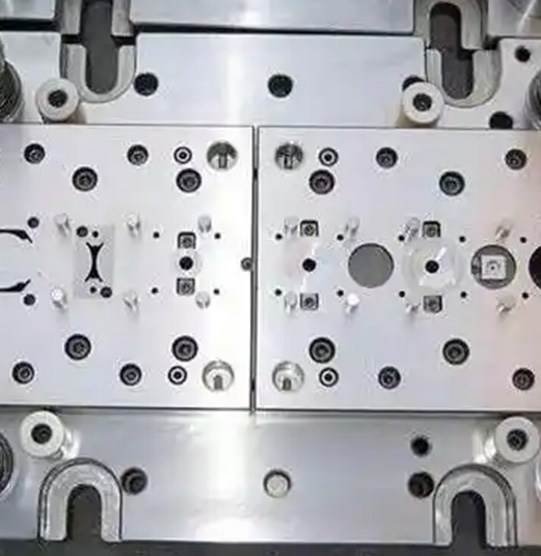
Every production line tends to depend on reasonably stable and repeatable forming conditions. When a die operates smoothly, metal sheets tend to move through each cycle with fewer interruptions, which tends to make later inspection and assembly a bit easier to organize.
Efficiency isn't really limited to production speed alone. It also tends to reflect how consistently a die performs during repeated operation. A stable forming process can help reduce unnecessary adjustments while supporting more predictable manufacturing conditions overall.
A few areas tend to be fairly closely connected with die performance.
Part quality tends to begin with the relationship between material and tooling. Once the metal enters the working area, every section of the die tends to influence how the sheet changes shape. For that reason, die efficiency tends to become an important consideration during product development as well as daily manufacturing.
Another aspect worth keeping in mind is long-term consistency. A die may produce acceptable parts early in a production run, yet changing conditions inside the tooling can gradually influence dimensional stability over time. Regular evaluation tends to help identify small changes before they turn into larger production concerns.
Metal forming generally begins when sheet material enters the die area. After the press closes, force transfers through the tooling and reshapes the metal according to the cavity design. Each stage tends to rely on fairly controlled movement rather than sudden deformation.
A typical forming sequence tends to follow a fairly logical order:
Although the sequence looks fairly straightforward, every movement tends to require accurate coordination between die components. Material positioning, clearance, and guiding surfaces all tend to influence the final result.
Different products tend to require different forming methods. Some parts mainly involve cutting operations, while others depend more on bending or gradual shaping. Certain designs combine several operations inside one die, allowing the material to change form step by step.
Material flow is another consideration worth attention. Metal generally should move according to the intended design rather than gathering unexpectedly in one area. Controlled flow tends to help reduce unnecessary stress while supporting more stable dimensions across the finished part.
During continuous production, contact surfaces tend to experience repeated pressure. Proper alignment between working components tends to help maintain fairly consistent forming conditions from one cycle to the next.
Die performance tends to begin with design. Before production starts, engineers generally need to consider how every component inside the tooling will interact with the material and with neighboring parts.
Structure is often one of the earliest considerations. A well-organized arrangement tends to let different components perform their functions without creating unnecessary interference during operation.
A few design elements deserve some attention here.
| Design Factor | Influence on Production |
|---|---|
| Component layout | Supports balanced movement inside the die |
| Working clearance | Affects material flow and forming quality |
| Product geometry | Determines tooling arrangement |
| Machining accuracy | Helps maintain assembly consistency |
| Structural coordination | Supports stable repeated operation |
Design decisions are rarely made in isolation. Each adjustment tends to influence neighboring components, which tends to make the entire die function more like one connected system.
Material selection tends to influence how a die responds to repeated mechanical contact during production. Working surfaces experience fairly continuous pressure, which tends to make material characteristics an important part of tooling design.
Rather than focusing on just one property, manufacturers usually tend to evaluate several characteristics together:
Different production environments tend to create somewhat different demands. Material used for one application may not suit another particularly well, since forming conditions, workpiece shape, and production schedules can vary quite a bit.
Heat generated during repeated operation may also influence tooling condition over time. Although stamping normally happens fairly quickly, continuous contact between material and working surfaces tends to gradually change the operating environment inside the die.
A Stamping Die Factory often considers both manufacturing methods and expected application conditions before settling on suitable materials. Material choice therefore tends to become part of the overall tooling strategy rather than an isolated decision made on its own.
Performance over time tends to depend on the combined effect of design, machining, assembly, material selection, and maintenance. When those elements work together reasonably well, the die tends to keep supporting stable production throughout repeated forming cycles.
A stamping die starts as a design concept, but practical manufacturing tends to determine whether the finished tool actually works as intended. Every machining step, fitting process, and inspection stage tends to contribute to the die's final condition before production even begins.
A Stamping Die Factory generally handles several connected tasks rather than just producing individual components — translating drawings into physical parts, fitting pieces together, and checking the completed tool before it enters service. Component machining tends to require attention to dimensional consistency, since a small variation in one section may influence alignment across the structure.
Assembly deserves similar attention. Parts may meet dimensional requirements individually, yet the relationship between them tends to matter just as much after installation. Inspection usually looks beyond finished dimensions to cover assembly consistency, contact between working surfaces, movement of related components, and alignment of locating features.
Communication between designers and manufacturing staff also tends to play a useful role, since production experience often suggests practical improvements that simplify future maintenance.
Even a carefully built die tends to change gradually after repeated cycles. Contact surfaces experience pressure, moving parts create friction, and some wear naturally shows up over time. Regular maintenance tends to help keep these changes under control before they affect production quality.
Routine maintenance often includes:
Maintenance tends to work best as an ongoing habit rather than an occasional repair task.
Stable operation can shift gradually when several small factors act together. A single issue may look minor at first, yet the combined effect often becomes noticeable during continuous production.
| Factor | Possible Influence |
|---|---|
| Component wear | Changes in forming consistency |
| Improper adjustment | Position variation during operation |
| Surface contamination | Interrupted material movement |
| Inadequate lubrication | Increased friction between parts |
| Material variation | Different forming behavior |
Material characteristics tend to add variation too — sheet material with changing surface condition may behave differently even when the die itself hasn't changed. Delaying routine inspection can let small issues grow more complicated, and workshop conditions like dust or moisture tend to matter over long production runs as well. Most concerns develop gradually rather than appearing all at once, which is why regular observation tends to help.
Process stability tends to come from coordination rather than any single factor. Product design, tooling condition, material preparation, and production planning all tend to play a part.
A few practical approaches tend to help:
A stable process tends to develop through gradual improvement rather than one fix. Efficient operation generally depends on how tooling structure, material behavior, production planning, and routine care work together. A Sheet Metal Stamping Die functions as one part of a larger system, while a Stamping Die Factory contributes by producing tooling through careful machining, assembly, and inspection — offering a practical foundation for reasonably stable metal forming across different applications.
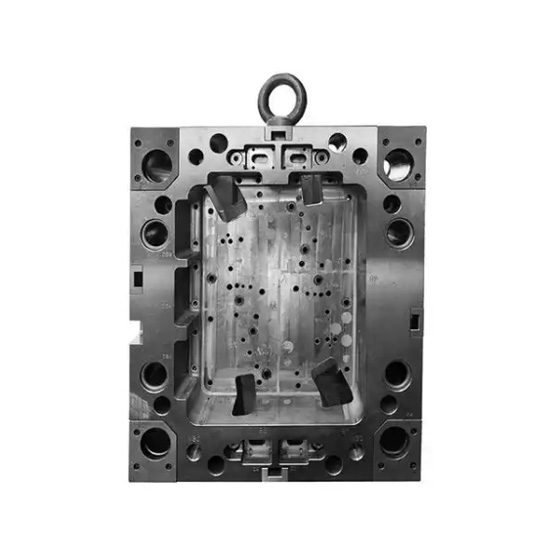
Metal injection molds are a widely used manufacturing process that produces parts by injecting molten material into a mo...
See Details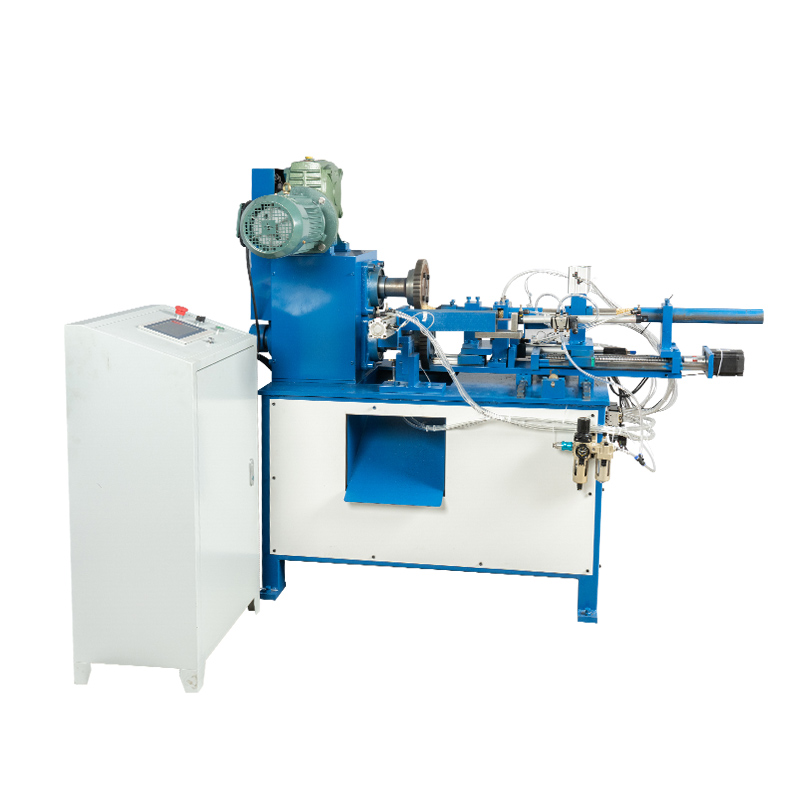
The Automatic Twist Steel Wire Cutting Machine is a revolutionary piece of equipment designed to address the specific ne...
See Details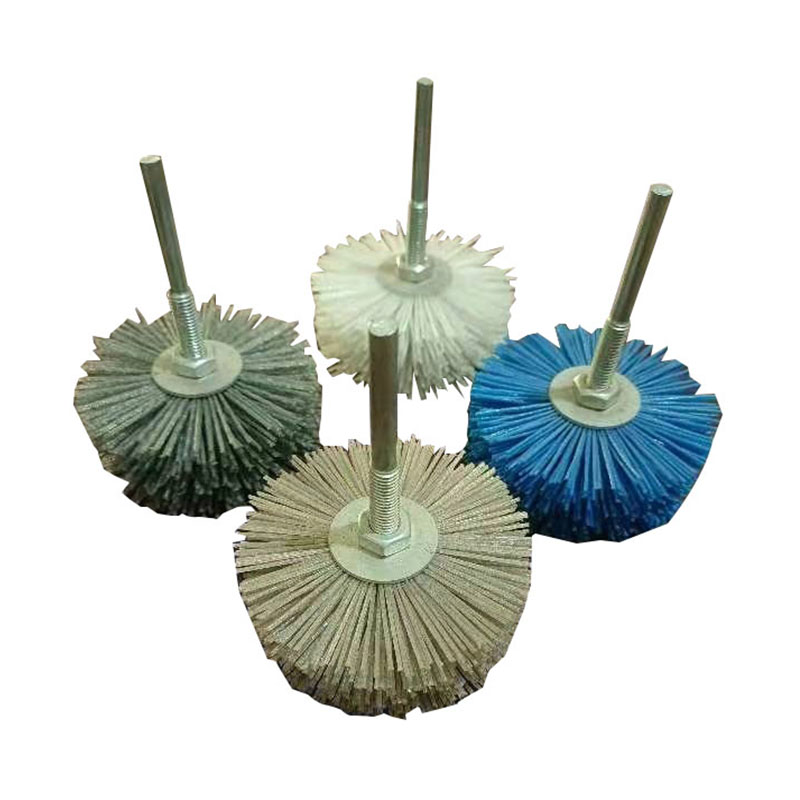
The Flower Head Wire Wheel Brush is a versatile and durable cleaning tool designed for use in various surface preparatio...
See Details
High-Performance Pneumatic PunchThe High-Performance Pneumatic Punch is a precision-engineered tool designed for high-sp...
See Details
We warmly welcome all industrial and trade companies, converters, abrasives and tool agents and distributors to join us, enjoy Tarun's platform, develop their own markets, and share world resources!
 Email:
 Phone:
+86-18867586928
 Address:
Xiaxichi Industrial Zone, Gushan Town, Yongkang City, Jinhua City, Zhejiang Province

Scan the QR code
Copyright © Yongkang Tarun Technology Co., Ltd.

Metal Processing Automatic Machine Factory

+86-18867586928


Contact Us