 English
 中文简体
中文简体 Español

Cat:Wire Wheel Brush
Twisted Wire Cup Wire Brush: Robust Cleaning and Surface Preparation Tool The twisted wire cup wire brush is a versatile...
See Details
Wire rope cutting inside a workshop often looks like a simple step, yet the result influences everything that comes after it. A cut that is slightly uneven may cause strands to loosen, and that can change how the rope fits into later assembly work.
Steel wire rope is built from many small strands twisted together. Once the structure is disturbed at the end, it does not return to its original shape. That is why cutting quality becomes part of the workflow, not just a finishing task.
A Steel Wire Rope Cutting Machine is used in workshops to keep that end condition more stable. Selection of the machine is usually based on how often cutting happens and what kind of rope is handled during daily work.
In busy environments, consistency matters more than speed bursts. A stable cut reduces rework and keeps the next operation smoother.
Cutting capacity refers to the thickness of rope a machine can handle without strain. In real workshop use, rope size is not always the same, so matching capacity with actual material becomes important.
When rope diameter increases, internal resistance also increases. If the machine is not matched well, the cutting force may spread unevenly and the rope edge may deform instead of separating cleanly.
Several points usually guide selection:
Jaw design plays a quiet but important role. A stable jaw keeps rope in position so pressure is applied evenly across strands instead of one side only.
A simple view of how matching changes results:
| Cutting Condition | Low Match Setup | Proper Match Setup |
|---|---|---|
| Rope position | shifts slightly | stays stable |
| Cutting edge | loose strands | cleaner separation |
| Force feel | uneven push | steady control |
| Repeated use | inconsistent cuts | repeatable results |
Good matching helps reduce strain on both operator and machine over time.
Power source decides how force is created during cutting. Different workshop sizes tend to rely on different energy methods, depending on workload and rope type.
Manual cutters are usually used for lighter work. They depend on hand force, which feels simple in short use, though repeated cutting can become tiring when rope thickness increases.
Hydraulic systems use pressure to create cutting force. That structure helps handle thicker rope with less physical effort from the operator. It also keeps force delivery more stable during repeated tasks.
Electric or air-powered systems are often used when cutting becomes a regular part of workflow. They reduce variation between cuts and keep operation rhythm more stable.
General use pattern:
Each option changes how work feels during long use, especially when cutting becomes part of daily routine.
Hydraulic cutting systems depend heavily on internal pressure stability. Because of that, system design and component matching affect real performance in workshop use.
A Hydraulic Cutter Supplier influences how smoothly pressure moves from power source to cutting head. If internal flow is not stable, cutting force may change slightly between operations.
Key points usually considered:
When pressure stays stable, cutting edge condition also stays more predictable. If pressure shifts during operation, rope edge may look less uniform.
Support from supplier also matters during long use periods, especially when parts need replacement or adjustment.
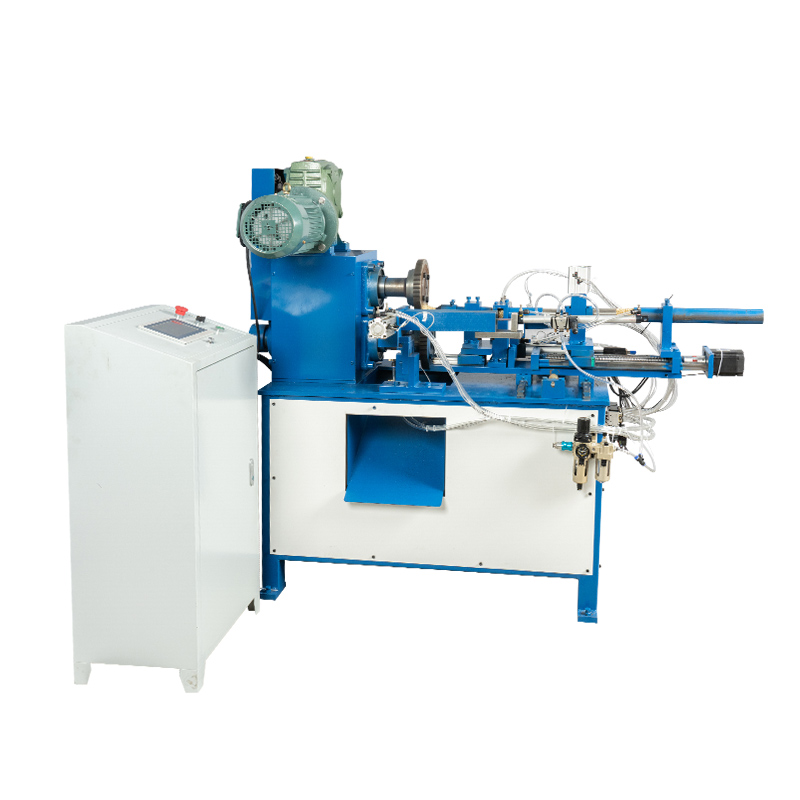
Automation level decides how much operator involvement is needed during cutting. Workshop structure and production volume usually guide this choice.
Manual systems require full handling for each cut. Rope positioning, alignment, and cutting are all controlled by the operator. This suits small scale or irregular work.
Semi-automatic systems use a trigger method such as a pedal or switch. Operator still places the rope, while cutting action follows a controlled input.
Fully automatic systems handle measuring and cutting in sequence. Once settings are prepared, machine carries out repeated cuts with limited manual input.
Simple comparison:
| Automation Level | Working Style | Typical Use |
|---|---|---|
| Manual | full control by operator | light and occasional work |
| Semi-automatic | mixed control | medium workload workshops |
| Fully automatic | guided workflow | repeated cutting tasks |
Automation level also affects how consistent each cut feels across longer working periods.
Workshop layout and material movement often shape machine selection more than expected. Cutting is only one step in a larger chain that includes storage, handling, and preparation.
If rope arrives in long coils and needs frequent cutting, placing the machine close to storage area helps reduce movement. If cutting is occasional, compact placement may be enough.
Important workflow points:
Smooth workflow reduces unnecessary handling and keeps operation more natural during daily work.
When cutting becomes part of a continuous cycle, machine position inside workshop layout becomes part of efficiency planning.
Cutting technology changes how wire rope behaves at the moment of separation. Since rope is formed by multiple twisted strands, the end condition depends heavily on how force meets the material.
Shear cutting applies a slicing action. Force moves across the rope in a controlled line, allowing strands to separate in a more orderly way. The edge usually feels smoother, and strand movement stays closer together after cutting.
Crushing-style cutting works differently. Pressure builds before separation occurs, and the rope structure may compress slightly before it breaks apart. In some cases, outer strands may shift more than expected.
Blade condition also plays a quiet role. When blade edges stay sharp and aligned, cutting motion feels more consistent. When wear begins, force distribution may change, and rope ends may show uneven shape.
Main elements that affect result quality:
| Cutting Method | Edge Condition | Strand Behavior |
|---|---|---|
| Shear cutting | cleaner separation line | strands stay aligned |
| Crushing action | uneven edge shape | strands may spread outward |
In workshop use, consistent edge quality helps later assembly steps feel smoother and reduces extra adjustment during installation.
Wire rope is often used in lifting, securing, or structural connection tasks. Once the rope end is cut poorly, handling becomes more difficult during fitting or insertion into connectors.
A clean cut reduces loose strand formation. That means less time spent correcting the rope end before installation. In repeated production environments, small improvements in cut quality can influence overall workflow rhythm.
Better cut condition often leads to:
Workshops that process rope frequently usually notice that cut quality becomes part of downstream efficiency rather than only a cutting result.
Safety design plays a quiet but important role in cutting equipment. Steel wire rope cutting involves strong force, so stable control around the cutting area becomes necessary.
Protective covers around the cutting head help guide rope position and reduce accidental contact during operation. They also limit small fragments from spreading outside the working zone.
Emergency stop functions are used in powered systems. When unexpected movement or alignment issues appear, stopping motion quickly helps reduce further risk.
Key safety considerations include:
Operator positioning also matters. A stable working distance helps maintain control during rope placement and cutting trigger.
Maintenance condition often decides how long a Steel Wire Rope Cutting Machine can keep stable performance. Even strong machines need routine attention, especially around blade and hydraulic sections.
Blade replacement or sharpening is one of the main maintenance tasks. Wire rope gradually affects cutting edge, so blade condition changes over time. Machines that allow simple blade replacement help reduce downtime.
Hydraulic systems also require periodic inspection. Pressure consistency depends on internal seals and fluid behavior. When maintenance access is easier, checking these parts becomes less disruptive.
Important maintenance aspects:
Simple maintenance access often supports longer stable operation without complex servicing routines.
Workshop layout affects not only movement but also how cutting tasks are organized. Space availability and material flow shape how equipment is placed and used.
If cutting machine is positioned near material storage, rope handling becomes shorter and more direct. If placed far away, additional movement steps appear during each task.
Layout factors that often matter:
In tighter spaces, compact machines are often preferred to maintain safe movement paths. In larger workshops, layout flexibility allows separation between preparation and cutting zones.
Selecting a suitable Steel Wire Rope Cutting Machine is not only about cutting force. It also affects rhythm of workshop tasks, repeatability of output, and handling comfort during daily operation.
When machine capacity, power type, and workflow match together, cutting becomes more predictable. That reduces variation in rope ends and helps later processes move with fewer interruptions.
Hydraulic systems, manual tools, and automated cutters all serve different working styles. Matching them to actual workshop demand keeps operation more balanced and reduces unnecessary effort in repeated tasks.
Over time, consistent cutting behavior supports smoother installation work and more stable material handling across the entire workflow chain.
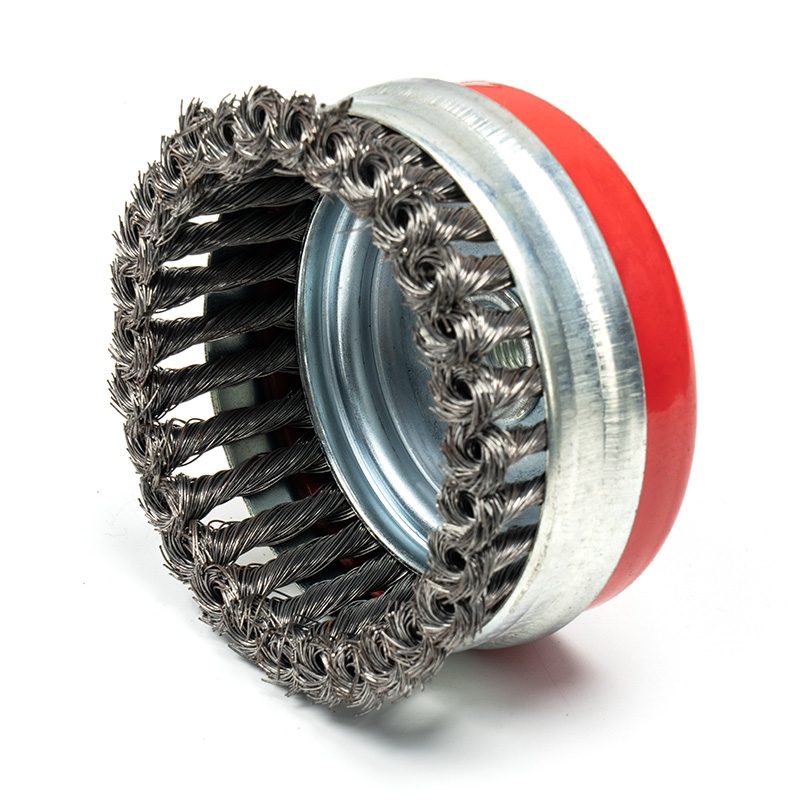
Twisted Wire Cup Wire Brush: Robust Cleaning and Surface Preparation Tool The twisted wire cup wire brush is a versatile...
See Details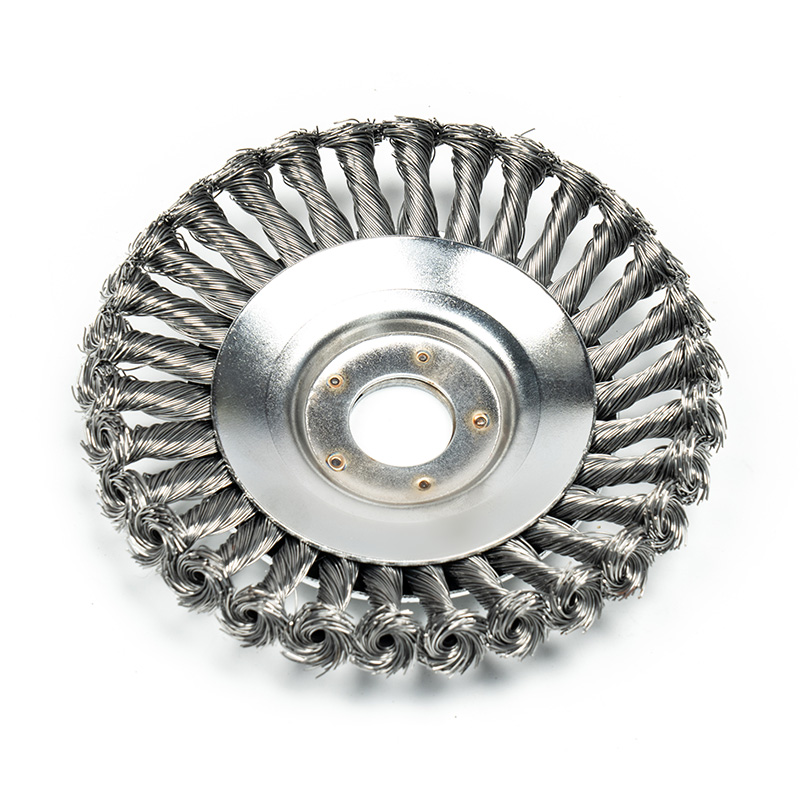
Its disc-shaped design, with tightly twisted wire bristles, provides uniform contact with the surface, making it ideal f...
See Details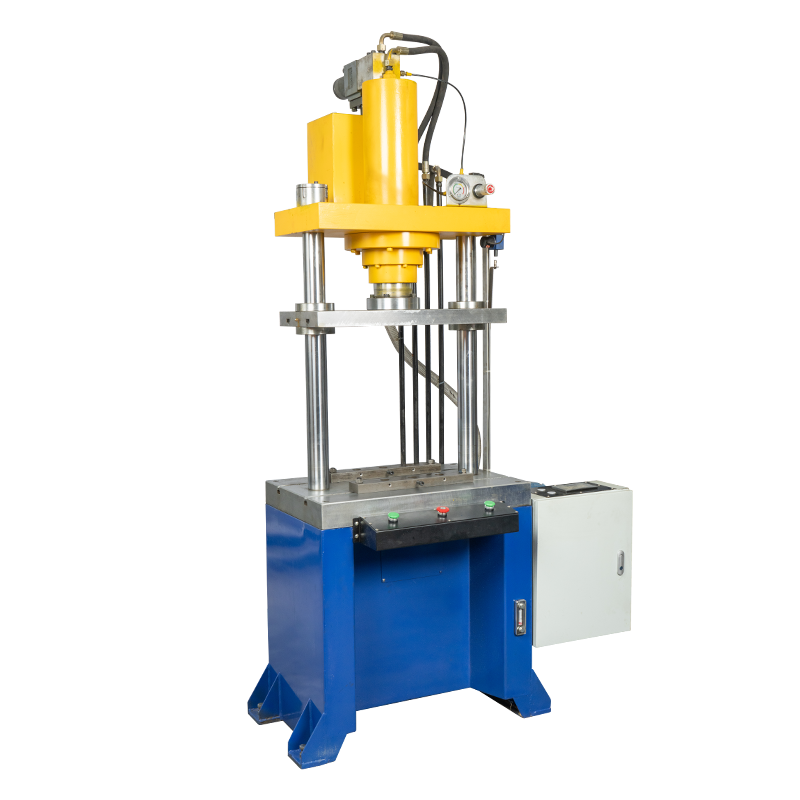
A metal-forming hydraulic press is a versatile and powerful machine commonly used in a variety of industries to form, sh...
See Details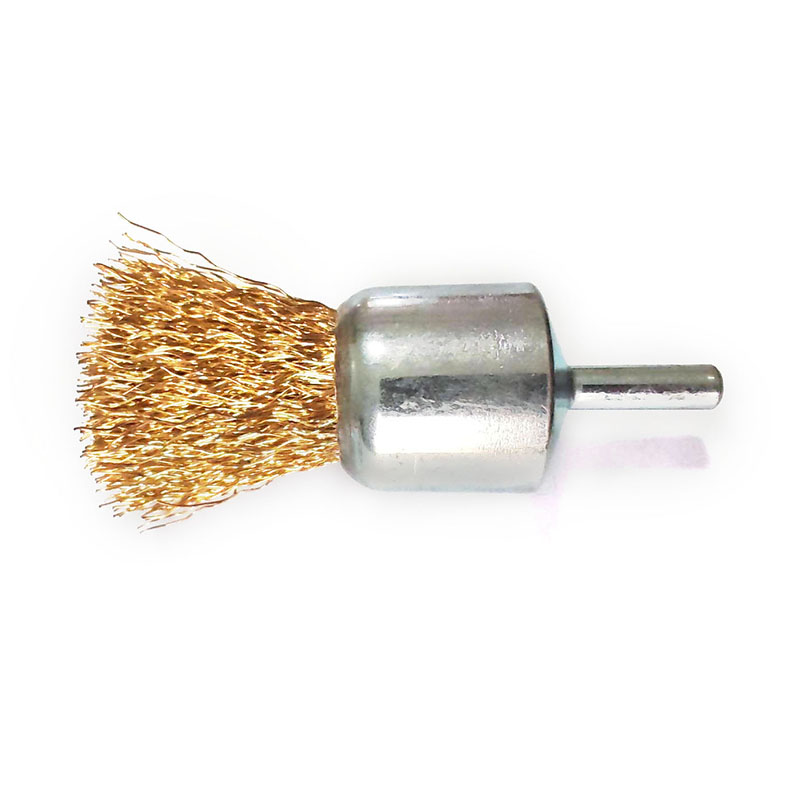
The Rust Removal Wire Brush is an essential tool designed for efficient rust removal, surface preparation, and polishing...
See Details
We warmly welcome all industrial and trade companies, converters, abrasives and tool agents and distributors to join us, enjoy Tarun's platform, develop their own markets, and share world resources!
 Email:
 Phone:
+86-18867586928
 Address:
Xiaxichi Industrial Zone, Gushan Town, Yongkang City, Jinhua City, Zhejiang Province

Scan the QR code
Copyright © Yongkang Tarun Technology Co., Ltd.

Metal Processing Automatic Machine Factory

+86-18867586928


Contact Us