 English
 中文简体
中文简体 Español

Cat:Wire Wheel Brush
Featuring a bowl-shaped configuration and twisted wire bristles, this brush is suitable for industrial and automotive ap...
See Details
Metal cleaning appears in many ordinary situations long before people enter a factory or repair shop. Garden tools collect rust after rain exposure. Door hinges begin making rough sounds after dust buildup. Bicycle chains hold old grease mixed with fine particles. Even kitchen hardware slowly loses smooth surface texture after long contact with moisture and air.
In many of those situations, a Small Rotary Wire Brush becomes part of simple maintenance work because the tool can reach narrow spaces while removing loose material from metal surfaces with controlled friction. Similar cleaning tools are often discussed alongside production methods connected with Brush Machine Factory processing, especially in conversations about brush structure and wire arrangement.
Metal changes gradually during normal use. Moisture, dust, grease, and air exposure create thin surface layers that interfere with movement and appearance. The change usually happens slowly, which makes many people ignore it until parts stop moving smoothly.
A simple outdoor wrench left in a damp corner may develop light corrosion around the edges. A gate hinge exposed to wind may collect dust mixed with oil residue. Over time, movement becomes rough instead of smooth.
Regular surface cleaning helps reduce those problems before deeper damage develops.
Common signs that metal needs cleaning:
Daily cleaning work often focuses on removing loose contamination instead of reshaping the metal itself.
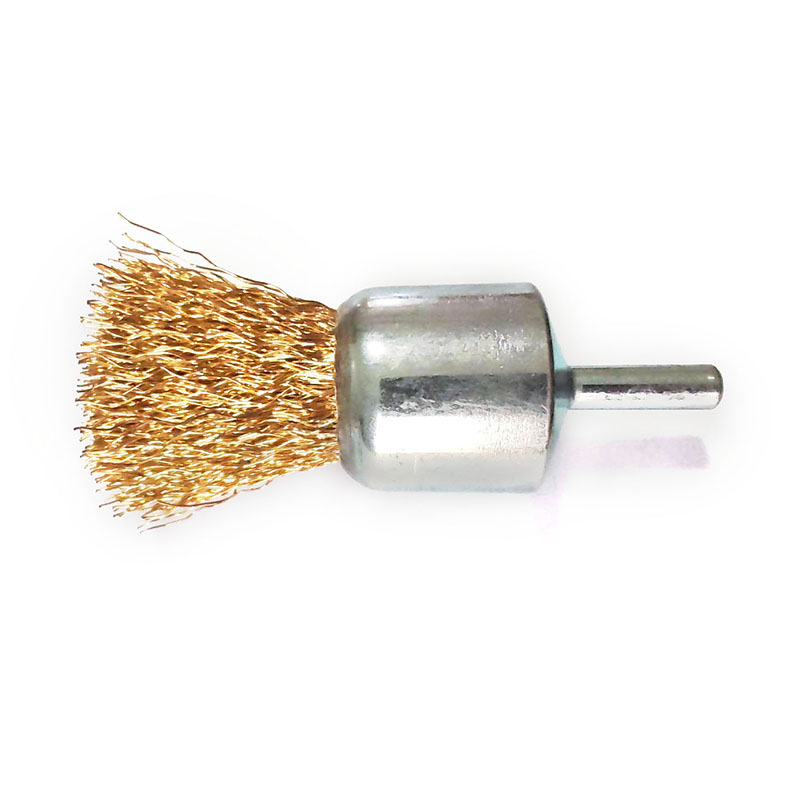
A Small Rotary Wire Brush uses rotating wire strands to loosen unwanted material from metal surfaces. The movement creates repeated contact points that break apart rust flakes, dried paint residue, or packed dirt.
Unlike hand brushing, rotary movement keeps the contact continuous. The tool rotates while the user guides direction and pressure. That combination allows surface cleaning with less repeated arm movement.
In practical situations, the brush is often used for:
The goal is usually surface restoration rather than aggressive grinding.
Rotary movement changes how friction spreads across the surface. A manual brush depends on repeated back-and-forth movement. A rotary brush keeps moving in circles while maintaining steady contact.
That movement creates several practical differences.
| Cleaning Method | Surface Contact Style | User Movement | Typical Result |
|---|---|---|---|
| Hand brushing | interrupted contact | repeated arm motion | uneven cleaning in tight areas |
| Rotary brushing | continuous rotating contact | guided positioning | smoother removal of loose buildup |
Because the brush rotates constantly, cleaning pressure stays more consistent across curved or uneven metal sections.
People often notice the difference when cleaning threaded bolts or chain links where manual brushes struggle to reach deep sections.
Small rotary brushes appear in many ordinary repair and maintenance tasks. The tool works especially well on metal parts with narrow spaces, edges, or irregular shapes.
Common examples include:
Household Hardware
Door hinges, sliding locks, window brackets, and small handles often collect dust mixed with moisture residue. Rotary brushing helps clear narrow corners where cloth wiping cannot reach.
Garden Equipment
Pruning tools, shovel heads, and metal connectors may develop light corrosion after outdoor storage. Surface brushing helps remove loose rust before lubrication or repainting.
Bicycle And Cart Parts
Chains, pedals, screws, and support brackets often trap dirt inside grooves. Rotary cleaning loosens packed debris more effectively than flat wiping.
Workshop Components
Clamps, fasteners, cutting accessories, and metal frames often require quick surface cleaning during repeated use.
The tool is valued more for accessibility than heavy force.
Not every rotary wire brush behaves the same way. Wire material changes how the brush interacts with the metal surface.
Steel wire creates stronger contact and is often used for heavier rust or thick buildup. Brass wire produces softer contact and may suit surfaces where reduced scratching is preferred.
Different wire behavior affects cleaning feel:
Choosing the wrong wire type can leave visible marks on softer surfaces.
For that reason, users often match brush stiffness with the condition of the metal rather than using one type for everything.
Large brushes cover more area quickly, yet smaller rotary brushes often work better in detailed maintenance tasks. Compact brush heads allow more controlled movement around corners, threads, and narrow joints.
A small brush helps when cleaning:
In practical use, visibility also improves with smaller tools. Users can guide the brush more carefully without blocking the work area.
That extra control becomes important when cleaning around moving parts that should not lose surface shape.
Rust removal usually begins with surface-level cleaning rather than deep material cutting. A rotary wire brush breaks apart loose oxidation through repeated friction contact.
During operation:
Steady movement matters more than force. Pressing too hard may flatten wire strands or create uneven contact.
Many users move the brush slowly across the surface instead of staying in one spot too long. That keeps cleaning more even and reduces unnecessary scratching.
Brush angle affects how the wires touch the surface. Direct vertical pressure may feel stronger, though angled contact often creates smoother cleaning movement.
Common handling observations:
People cleaning old tools or mechanical joints often adjust brush angle naturally while following the shape of the metal.
On outdoor metal parts, rust is rarely the only issue. Paint fragments, grease, and dust often combine into thick layers around edges and moving sections.
A rotary wire brush helps separate those mixed layers gradually.
Typical buildup areas:
Cleaning usually happens in stages rather than one pass. Loose outer material comes off first. Tighter residue requires slower brushing movement.
Small cleaning tasks often prevent larger repair problems later. Removing surface rust early helps reduce deeper corrosion development around joints and moving sections.
Simple habits help extend metal usability:
Many maintenance routines stay short and practical. A few minutes of surface cleaning often keeps tools moving more smoothly over long periods.
A rotating brush may look simple, though small wire strands move at high speed during operation. Loose particles from rust, paint, or metal residue can scatter outward while cleaning is taking place. For that reason, careful handling matters even during light maintenance work.
Many experienced users pay attention to positioning before starting the tool.
Common habits during cleaning work:
Eye protection becomes especially important when cleaning rusty surfaces because dry fragments tend to break apart suddenly.
Pressure control also matters. Excess force does not always improve cleaning speed. In many situations, lighter contact produces more stable brushing movement and reduces unnecessary surface scratching.
A Small Rotary Wire Brush changes gradually through repeated use. Wire strands bend, shorten, or spread outward after long contact with rough metal surfaces. The change often appears slowly, making it easy to overlook during daily work.
Fresh wire strands usually feel more even during rotation. Older brushes may create rougher contact patterns.
Common signs of wear include:
A worn brush can still remove loose dirt, though detailed cleaning becomes harder once the wire shape loses consistency.
Many users replace brushes after noticing unstable movement rather than waiting for complete wire damage.
Balance influences how smoothly the brush moves across metal surfaces. A well-balanced rotary brush rotates evenly without strong shaking. Uneven wire distribution may create vibration that affects cleaning accuracy.
In practical work, imbalance can cause:
Smaller brushes often reveal balance problems more clearly because they are commonly used for detailed work around edges and threaded sections.
Smooth rotation helps users guide movement more naturally across curved or narrow metal parts.
The arrangement of wire strands changes how the brush behaves during cleaning. Dense wire placement creates firmer surface contact. Looser spacing allows more flexibility around irregular shapes.
Different structures suit different maintenance situations.
| Brush Structure | Surface Contact Style | Common Cleaning Use |
|---|---|---|
| Dense wire layout | firmer brushing feel | thick rust and paint residue |
| Flexible wire layout | softer movement | curved or delicate surfaces |
| Narrow brush edge | focused contact | grooves and tight corners |
| Wider brush face | broader contact area | flat metal sections |
Users often choose brush shape based on metal condition rather than appearance alone.
Brush performance depends not only on wire material, but also on how the brush is assembled during production. Wire positioning, attachment stability, and rotational balance all influence cleaning behavior later during use.
Production processes connected with Brush Machine Factory manufacturing often focus on keeping wire placement even across the rotating surface. Uneven wire distribution may create unstable contact during operation.
Several production details affect practical use:
Even small differences in assembly may influence vibration and brushing feel during long operation periods.
Many metal cleaning tasks involve areas that are difficult to reach with cloths or larger tools. Rust often develops around edges, screw heads, chain links, or narrow joints where moisture stays trapped longer.
Small rotary brushes help reach:
Compact brush heads allow slower and more controlled movement inside restricted spaces.
People repairing bicycles, gates, garden tools, or workshop equipment often prefer smaller brushes because they can follow surface shape more easily.
Not every metal surface needs the same brushing method. Light oxidation requires different handling compared with thick corrosion or layered paint residue.
For lighter cleaning:
For heavier buildup:
Many users adjust movement naturally after observing how the metal reacts during cleaning.
Storage affects brush condition more than many people expect. Moisture exposure may weaken wire surfaces over time, especially after repeated use around wet metal parts.
Improper storage can lead to:
Simple storage habits help maintain usability:
Well-maintained brushes tend to rotate more evenly and feel easier to control during detailed work.
Many maintenance tools handle heavy cutting or surface shaping. A Small Rotary Wire Brush fills a different role. It focuses more on surface preparation, rust removal, and detail cleaning without heavily changing the metal itself.
Its usefulness comes from practical flexibility.
The tool can move from:
without requiring large setup space or complicated operation.
People continue using rotary wire brushes because many cleaning problems happen in small spaces rather than large industrial surfaces.
Metal tools and hardware rarely stay untouched during daily use. Moisture, dust, friction, and outdoor exposure slowly affect surface condition. Regular cleaning helps reduce buildup before corrosion spreads deeper into the material.
Small maintenance routines often include:
Over time, those simple habits help metal parts stay smoother and easier to use during ordinary work.
A Small Rotary Wire Brush becomes part of that routine because it handles narrow spaces and uneven surfaces with relatively simple movement control.
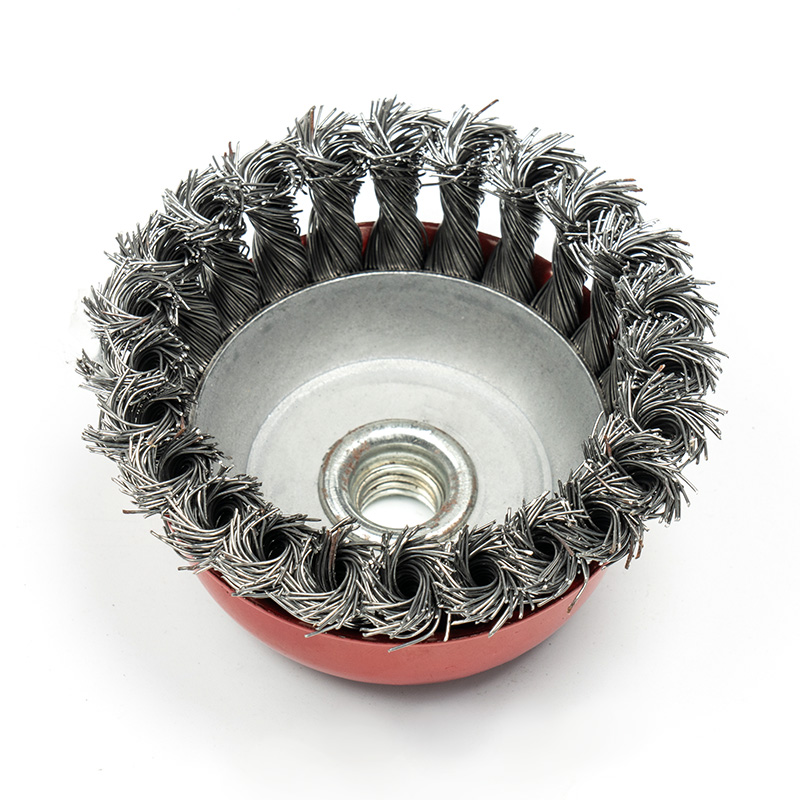
Featuring a bowl-shaped configuration and twisted wire bristles, this brush is suitable for industrial and automotive ap...
See Details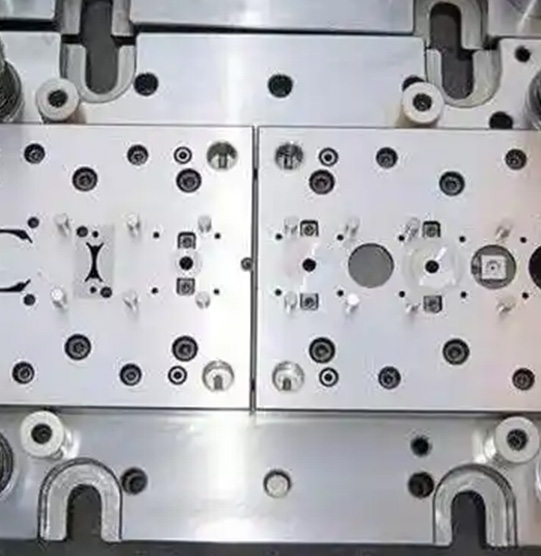
A single-strike die is a specialized tool used in the manufacturing industry for single-impact stamping of metal molds. ...
See Details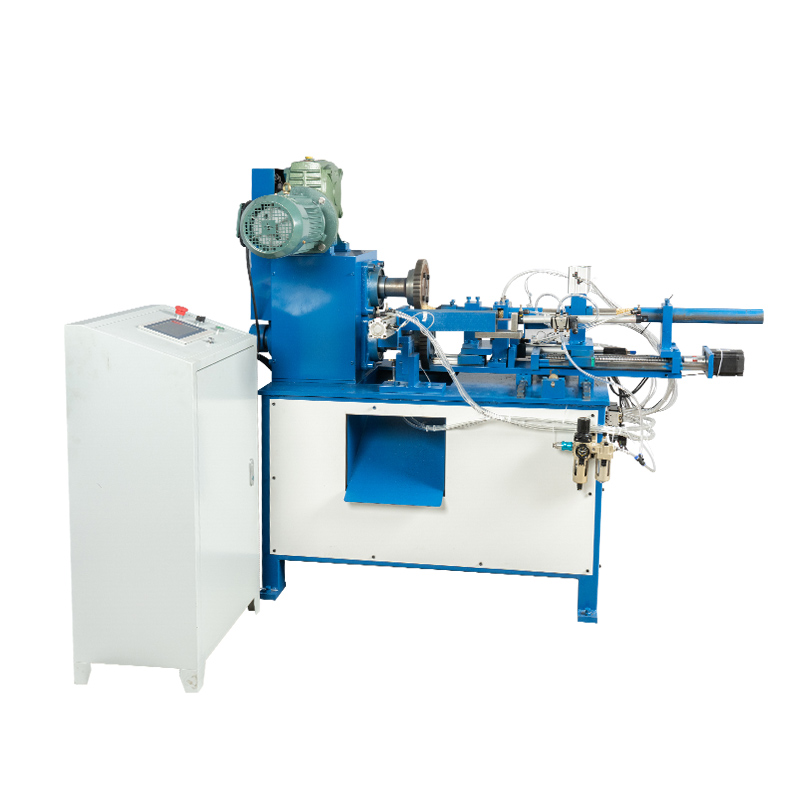
The Automatic Twist Steel Wire Cutting Machine is a revolutionary piece of equipment designed to address the specific ne...
See Details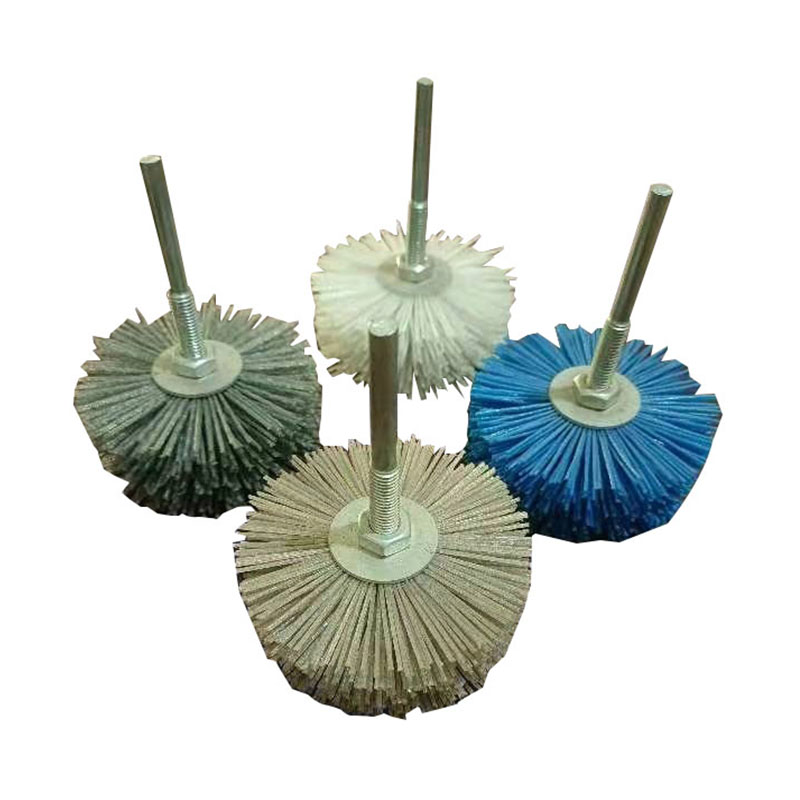
The Flower Head Wire Wheel Brush is a versatile and durable cleaning tool designed for use in various surface preparatio...
See Details
We warmly welcome all industrial and trade companies, converters, abrasives and tool agents and distributors to join us, enjoy Tarun's platform, develop their own markets, and share world resources!
 Email:
 Phone:
+86-18867586928
 Address:
Xiaxichi Industrial Zone, Gushan Town, Yongkang City, Jinhua City, Zhejiang Province

Scan the QR code
Copyright © Yongkang Tarun Technology Co., Ltd.

Metal Processing Automatic Machine Factory

+86-18867586928


Contact Us