 English
 中文简体
中文简体 Español

Cat:Wire Wheel Brush
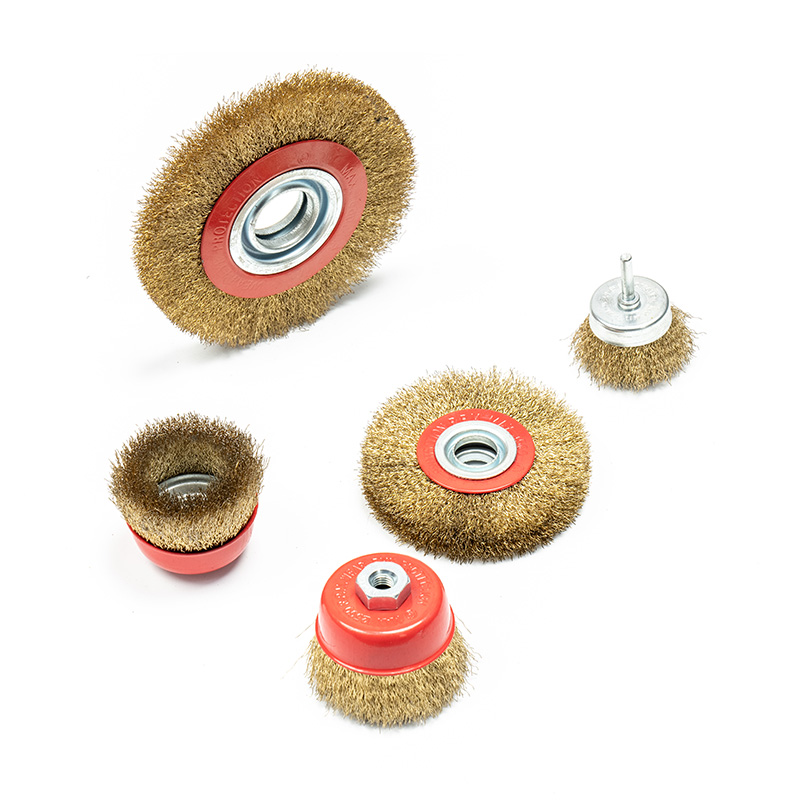
Made from twisted wire filaments, this brush is used extensively in industrial and maintenance applications for tasks th...
See Details
Wire wheel brush machines use circular brushes made of wire strands that spin on a powered shaft. The whole setup sits on a solid frame that helps control vibration while the operator guides it across metal surfaces. Different wire thicknesses let users match the brush to the type of rust they are dealing with, whether light surface corrosion or thicker buildup.
These machines usually have handles or mounting points that give good control during operation. Guards around the spinning brush help direct debris away and reduce scatter. In workshops or on job sites, people use them on everything from steel beams and pipes to old machinery parts that need cleaning before painting or repair.
The design keeps things fairly straightforward. The focus stays on making the tool strong enough for regular work while still easy enough to handle for longer periods.
Wire wheel brush machines run on electric or air power that keeps the brush spinning at a steady pace. The operator mainly guides the tool and lets the rotation do the main work. Traditional hand tools like manual wire brushes or scrapers rely completely on the person pushing and pulling with their own strength.
With the machine, one steady pass can cover a good area. Hand brushing means going over the same spot many times with arm movements. The powered tool changes the rhythm of the job from tiring repetitive strokes to more of a controlled guiding motion.
Over a full day, this difference adds up. The machine takes some of the heavy physical load off the user, while hand tools demand constant effort from start to finish.
The spinning wire strands on a wire wheel brush machine hit the rust layer many times per second. This rapid repeated contact loosens and clears oxidation faster than a person can achieve with back-and-forth hand brushing. The brush lifts particles away as it moves, creating a more continuous cleaning process.
On bigger surfaces like equipment frames or long metal beams, the machine can keep moving forward without losing momentum. Hand tools require stopping and repositioning often, which slows the overall progress.
Most users still need to do some hand work on corners and tight spots afterward, but the main flat areas clear up in noticeably shorter time with the powered brush.
The machine delivers fairly even pressure and speed as long as the operator moves it steadily across the surface. This helps produce more uniform results, especially on large flat or gently curved areas. Hand brushing tends to vary more because fatigue or changes in how hard someone pushes affect each stroke.
When preparing metal for coating, this evenness can make a real difference in how smoothly the final finish goes on. Hand methods can still give good outcomes, but results may show slight differences between the beginning and end of a long session.
The powered approach supports steadier work when the same person handles multiple similar pieces in a row.
Wire wheel brush machines often reach into small pits and crevices in the rust because the spinning wires dig in with mechanical force. They can clear loose scale and expose cleaner metal in fewer passes on open surfaces. Hand brushing works more gradually and usually needs several rounds to get similar cleanliness.
Both approaches have their place. The machine handles the broad areas efficiently, while hand tools remain useful for detailed edges, welds, and final touch-ups. Many workshops use them together — machine for the main work and hand brushes to finish the tricky spots.
Switching to a wire wheel brush machine noticeably changes the physical side of rust removal work because operators no longer spend hours making the same forceful back-and-forth motions with their arms and shoulders that hand tools demand. Over a long day this often means less overall fatigue, allowing people to stay sharper and work more consistently, particularly when tackling large steel structures or several pieces in a row. That said, the machine brings its own safety considerations that need attention, such as wearing solid eye protection and gloves since the spinning wires fling debris out with real force in different directions.
Experienced users also tend to keep loose sleeves or clothing well clear of the rotating parts and maintain a balanced stance while guiding the tool. Hand tools create different kinds of strain, like sore wrists or blisters from repeated gripping and scraping, but they involve simpler, slower movements without any high-speed hazards. Once someone learns how to let the machine do the work instead of forcing it hard against the surface, most find the process less tiring while still requiring careful habits around flying particles and proper posture.
The way brush machines are put together in the factory has a direct effect on how they actually perform day to day because small details in motor balance, shaft alignment, and brush mounting determine how smoothly the tool runs and how much vibration the operator feels. Factories that carefully check these elements during assembly usually end up with machines that feel steadier and easier to control over extended periods. The choice of materials for the main frame and protective guards also plays a part in how well the tool stands up to constant use in dusty shops or outdoor job sites.
How easily brushes can be changed or adjusted often depends on decisions made during production. When manufacturers focus on practical, sturdy construction rather than overly complicated features, the resulting machines tend to hold up better in real workshop conditions and feel more natural in the hands of people who use them regularly for rust removal.
Workshops and maintenance crews weigh quite a few everyday factors when deciding between a wire wheel brush machine and traditional hand tools. The scale of the job usually matters a great deal — big metal frames, heavy equipment, or large structural pieces often make more sense with the machine because it covers area steadily, while smaller repairs or delicate restoration work frequently feel easier and more precise with hand brushes that can get into tight spots without much setup. Workspace layout and access to power also influence the choice, since the machine needs room to operate safely and a reliable electricity or air source, whereas hand tools can simply be carried to wherever the work happens.
Initial purchase cost, the expense of replacement brushes over time, and how frequently the tool will actually see use all come into consideration. Plenty of places end up using both depending on the task at hand, bringing out the machine for major surface work and relying on hand tools for edges, corners, and final cleanup. Portability becomes another real issue when jobs move between different locations or arise suddenly in places without easy power access.
Interest in wire wheel brush machines continues to evolve around making them more practical for different kinds of maintenance and fabrication environments. Designers keep looking at ways to reduce dust generation during operation and create brush materials that perform well on various metals without wearing out too quickly. Handle design and overall weight also receive attention so operators can maintain better control even after several hours of continuous use.
These machines are finding wider roles in routine equipment care and surface preparation where removing rust forms a regular part of keeping machinery and structures in good condition. As teams search for ways to reduce physical strain while still achieving solid results, the tools keep adapting to fit the actual needs found in workshops, metal fabrication shops, and field maintenance work.
| Aspect | Wire Wheel Brush Machine | Hand Tools Approach |
|---|---|---|
| Work Pace | Steady coverage across larger surfaces | Slower but highly adaptable on small areas |
| Physical Effort | Reduced repetitive arm strain | Higher continuous manual pressure |
| Surface Uniformity | Generally even contact on flat areas | More variable based on user technique |
| Detail Work | Requires follow-up on edges and corners | Strong for precise and intricate spots |
| Setup Requirements | Needs power source and stable space | Almost immediate use with little preparation |
In the end, the decision between a Wire Wheel Brush Machine and hand tools comes down to the specific job, the size of the work, and the conditions on site. Both approaches still play useful roles in keeping metal surfaces properly maintained across many different industries.
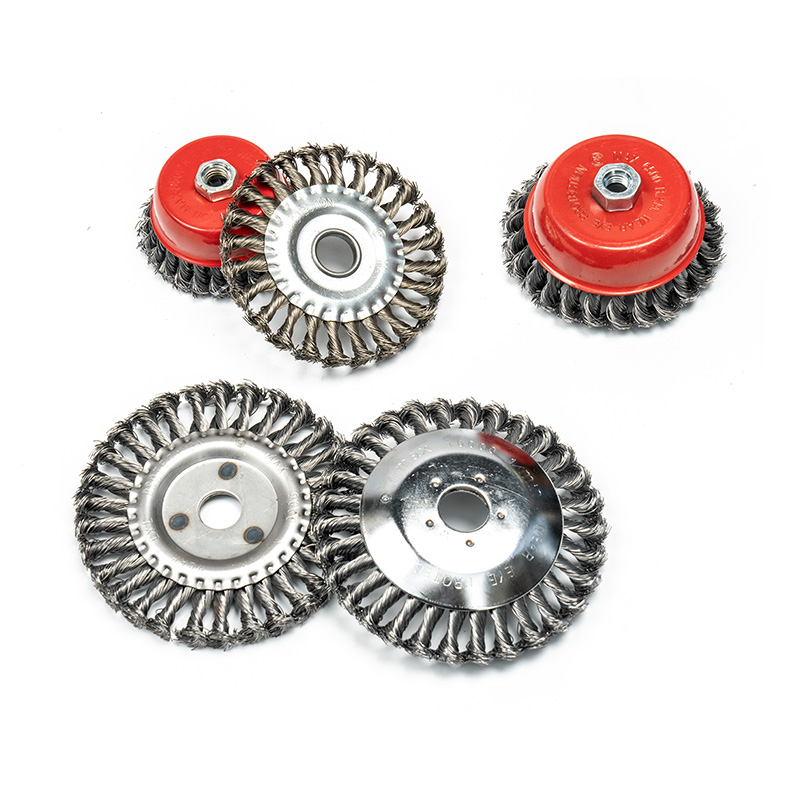
Made from twisted wire filaments, this brush is used extensively in industrial and maintenance applications for tasks th...
See Details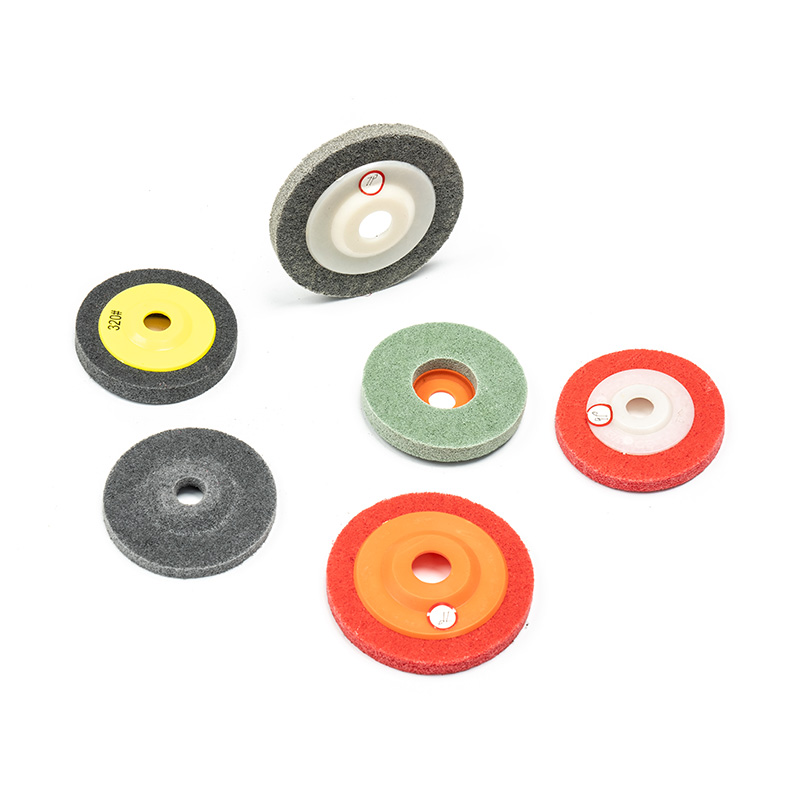
Non-woven fiber wheels are versatile industrial tools designed for surface finishing, especially for polishing, cleaning...
See Details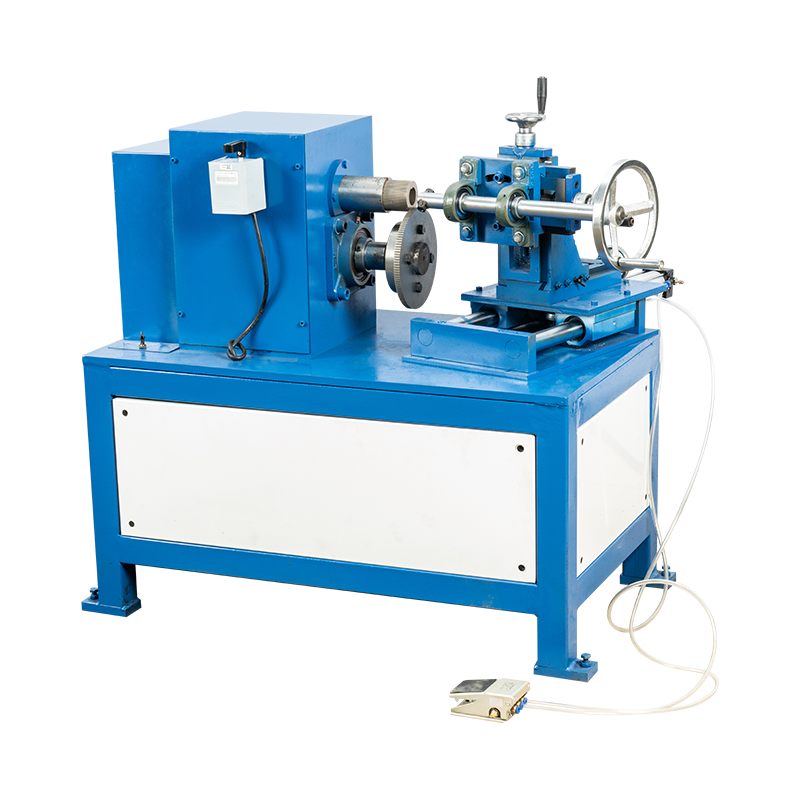
A common application is in the production of curved wire steel brush bowls, where precision trimming is essential to ens...
See Details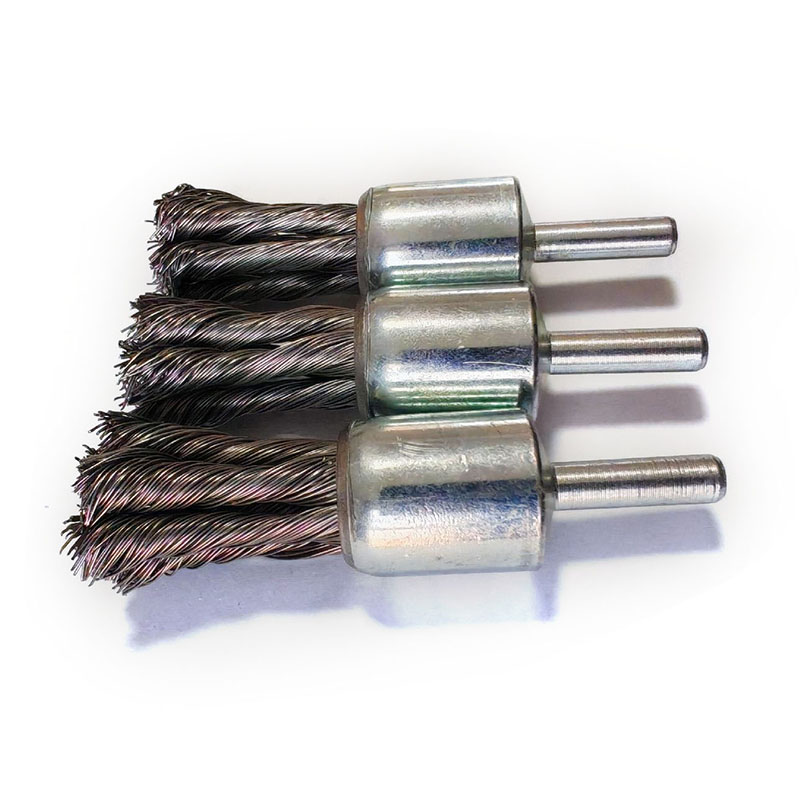
The pen-shaped twisted wire brush is a versatile, compact tool designed for cleaning, polishing, and surface preparation...
See Details
We warmly welcome all industrial and trade companies, converters, abrasives and tool agents and distributors to join us, enjoy Tarun's platform, develop their own markets, and share world resources!
 Email:
 Phone:
+86-18867586928
 Address:
Xiaxichi Industrial Zone, Gushan Town, Yongkang City, Jinhua City, Zhejiang Province

Scan the QR code
Copyright © Yongkang Tarun Technology Co., Ltd.

Metal Processing Automatic Machine Factory

+86-18867586928


Contact Us