 English
 中文简体
中文简体 Español

Cat:Wire Wheel Brush
It features curved wire bristles that provide superior flexibility and uniform contact with the surface, ensuring effici...
See Details
Choosing equipment for a stamping process can become confusing when a production team is comparing a stamping die with a punch press. Both are necessary parts of many metal forming operations, yet they do different jobs. A die determines how sheet material is shaped, cut, or formed, while a press provides the movement needed to carry out that work.
For that reason, choosing between them is not really about deciding which one should replace the other. A better approach is to look at the product, material, working action, and available equipment as a connected system. A well-designed die still needs a suitable press, while a capable press cannot produce the required part without an appropriate die.
For manufacturers planning a new stamping setup, starting with the product requirement can make the decision easier. Part shape, material behavior, working space, and production method all have a place in the selection process.
A stamping die is used to guide and shape material during a forming operation. Its working surfaces determine where material is cut, bent, or shaped. Different products require different die arrangements because a flat piece of sheet metal may need a completely different working path from a part with several bends or formed areas.
A punch press serves another purpose. It provides the mechanical movement needed to bring the tooling into contact with the material. Depending on the equipment and production method, the press can move the tooling through a repeated cycle while material is placed, moved, or removed during production.
A simple way to separate their roles is to ask two questions:
Such a distinction helps avoid a common selection mistake. A production team may focus heavily on the press because it is the main piece of equipment visible on the production floor, while the die receives less attention. In practice, product shape and forming requirements can place considerable demands on the tooling.
A Precision Stamping Die is therefore selected around the part and its required forming actions. A Precision Punch Press is considered around the movement, working space, load requirements, and compatibility with the tooling.
Both need to work together. Treating them as separate purchases without checking their relationship can create problems during installation or production.
The die becomes especially important when the finished part has a particular shape or several forming requirements. Product design determines how material needs to move during processing, and tooling needs to provide a suitable path for that movement.
Consider a metal component with several bends. Cutting the outer shape alone does not create the finished part. Material needs to move through several forming actions while remaining in the correct position. A die designed around the part can control those actions and provide the surfaces needed for each stage.
Hole positions also matter. When holes need to appear in specific locations, their relationship with the rest of the part needs to be considered during die design. A small change in material position can affect the relationship between holes, edges, and bends.
For a Precision Stamping Die, useful questions include:
Material also influences the choice. A material that bends easily behaves differently from one that resists forming. Thickness, surface condition, and material flexibility can all affect how the die should handle the work.
Rather than choosing a die from its general appearance, production teams can begin with the finished part and work backward. Drawing the required forming steps on paper can often reveal which actions the tooling needs to perform.
For example, a part may need an outer cut, several holes, and a bend. Each action places a different requirement on the working surfaces and material positioning. Once those actions are clear, it becomes easier to discuss what kind of tooling arrangement is suitable.
Press selection becomes more important when the focus moves from the shape of the part to the way the tooling will operate. A press needs to provide suitable movement for the die while leaving enough room for material handling and part removal.
Working space is easy to overlook. A die may fit within the general area of a machine while still creating difficulties when material needs to enter or finished parts need to leave. The physical arrangement around the press should therefore be considered along with the die itself.
Operating conditions matter as well. Some equipment runs through repeated cycles, while another setup may operate with longer pauses between parts. Frequent starting and stopping can create different requirements from a process that follows a steady working rhythm.
A Precision Punch Press should therefore be considered alongside questions such as:
Load is another part of the decision. A press needs to handle the work required by the die under actual production conditions. Looking only at the size of the machine can give an incomplete picture because two machines with similar physical dimensions may behave differently during operation.
Installation also deserves attention. Connection points, working height, material direction, and access for tooling changes can affect how convenient a setup will be to use. Such details may seem minor during purchasing, yet they become much more noticeable once operators begin changing dies or handling parts.

Material and part shape should be considered together because neither one tells the whole story. A sheet material may be easy to cut while presenting different challenges during bending. A simple product made from a less flexible material may require a different setup from a more complicated product made from material that forms easily.
Part shape determines how many working actions are needed. Material characteristics influence how those actions should be carried out.
A practical review can start with three areas:
A useful comparison looks like this:
| Production Concern | Die Selection Focus | Press Selection Focus |
| Part shape | Forming and cutting arrangement | Available working space |
| Material | Material handling and forming path | Equipment suitability |
| Bends and openings | Position and working sequence | Movement and die compatibility |
| Production method | Tooling arrangement | Operating pattern |
| Installation | Die dimensions and connection | Mounting and access |
Looking at both sides together reduces the chance of solving only half of the production problem. A suitable die needs a press that can operate it properly, while a suitable press needs tooling designed for the actual part.
For procurement teams, that relationship is often more useful than comparing equipment names on their own. Product drawings, material information, required working actions, and installation conditions provide a clearer basis for selection. Once those details are established, the difference between a Precision Stamping Die and a Precision Punch Press becomes much easier to understand: one shapes the working process around the part, while the other provides the mechanical action needed to carry it out.
The importance of tooling and press equipment changes with the type of work being carried out. A simple cutting operation may place relatively straightforward requirements on the die, while a part involving several forming actions requires more attention to how the tooling guides the material through the process.
For a basic punching task, the main concern may be whether the die can create the required opening and whether the press can operate it correctly. Material position, opening size, and part handling still need attention, although the overall working sequence may remain relatively simple.
A part with several bends requires a different approach. Each bend changes the shape of the material, so the order of operations becomes important. Tooling needs to provide enough space and suitable working surfaces for each step, while the press needs to provide compatible movement throughout the cycle.
Continuous production can introduce another consideration. When the same part is processed repeatedly, small issues with material positioning, die installation, or press adjustment can affect the consistency of the process. A setup that is easy to inspect and adjust can make routine production work more manageable.
Different tasks can therefore place emphasis on different areas:
| Production Task | Main Die Concern | Main Press Concern |
| Simple cutting | Cutting shape and material position | Suitable working movement |
| Hole punching | Opening position and tooling arrangement | Die installation and operation |
| Bending | Forming sequence and part shape | Working space and movement |
| Several forming actions | Relationship between each operation | Compatibility with the complete setup |
| Repeated production | Tool condition and positioning | Stable operation and convenient adjustment |
Such a comparison does not mean one side can be ignored. A die that produces the intended shape still depends on a press that can operate it properly. Likewise, a press with suitable working conditions cannot solve a tooling problem caused by an unsuitable forming arrangement.
Starting with the production requirement can prevent unnecessary equipment comparisons. Instead of asking which press or die should be purchased first, it is more useful to describe what the finished part needs to look like and what actions are required to produce it.
A simple production description might include:
Once those points are clear, the relationship between tooling and equipment becomes easier to evaluate.
Part drawings are useful during this stage because they show more than the outside shape. Hole locations, bends, openings, edges, and formed sections can reveal how material needs to move during production. Even a simple sketch can help identify areas that need further discussion with a tooling or equipment supplier.
Material handling deserves separate attention. A press and die may appear suitable when considered only around the finished part, while the actual feeding process can create difficulties. Space for placing sheet material, moving it through the working area, and removing completed parts needs to be available.
Production rhythm also affects the decision. Equipment used for occasional processing may be selected around flexibility and easy adjustment, while repeated production may place more attention on consistent setup and convenient tooling changes.
A clear requirement sheet can make communication easier between design, purchasing, production, and suppliers. Rather than sending only a product name or general description, providing the actual working conditions gives everyone a common reference for evaluating the setup.
Several practical checks can be completed before a die or press is ordered. Doing so helps reveal compatibility problems while changes are still easier to make.
Such checks are particularly useful when selecting a Precision Stamping Die for an existing press. The available equipment places physical limits on what can be installed, while the product requirement places limits on what the die needs to accomplish. Neither side should be evaluated in isolation.
A stamping setup works through cooperation between tooling and equipment. The die establishes how material is positioned and processed, while the press supplies the movement that brings the working parts together.
During a typical cycle, material enters the working area and is positioned according to the required process. The press then moves the tooling through its working action, allowing the die to cut, bend, or form the material. After the working movement is completed, the part is removed or moved to the next position.
Small differences in compatibility can affect how smoothly that sequence operates. A die may have suitable dimensions for a particular part while still requiring adjustments to fit the available press. Similarly, a press may have enough physical space while its working movement does not suit the intended tooling arrangement.
For a Precision Stamping Die and Precision Punch Press to work together properly, several areas deserve attention:
Communication during the selection stage can prevent many avoidable problems. Tooling drawings, equipment information, and product requirements can be reviewed together rather than separately. When the press and die are evaluated as one working setup, installation requirements become easier to identify.
Production teams should also pay attention to what happens after installation. A setup may require minor adjustment during actual operation as material handling, part removal, or working conditions become clearer. Routine inspection can help identify loose connections, positioning changes, unusual marks on parts, or movement that does not match the expected process.
For equipment already in use, changing the die does not always mean the existing press can accept every new tooling arrangement. Available space, connection requirements, and working movement should be checked before a replacement die is selected. In the same way, replacing a press requires attention to the dies that will continue to be used with it.
Choosing between a stamping die and a punch press therefore becomes a question of matching responsibilities rather than selecting one over the other. Product requirements determine what needs to be formed, tooling provides the working path, and press equipment supplies the mechanical action. Keeping those three parts connected makes the selection process easier to follow and gives production teams a clearer basis for evaluating a new stamping setup.
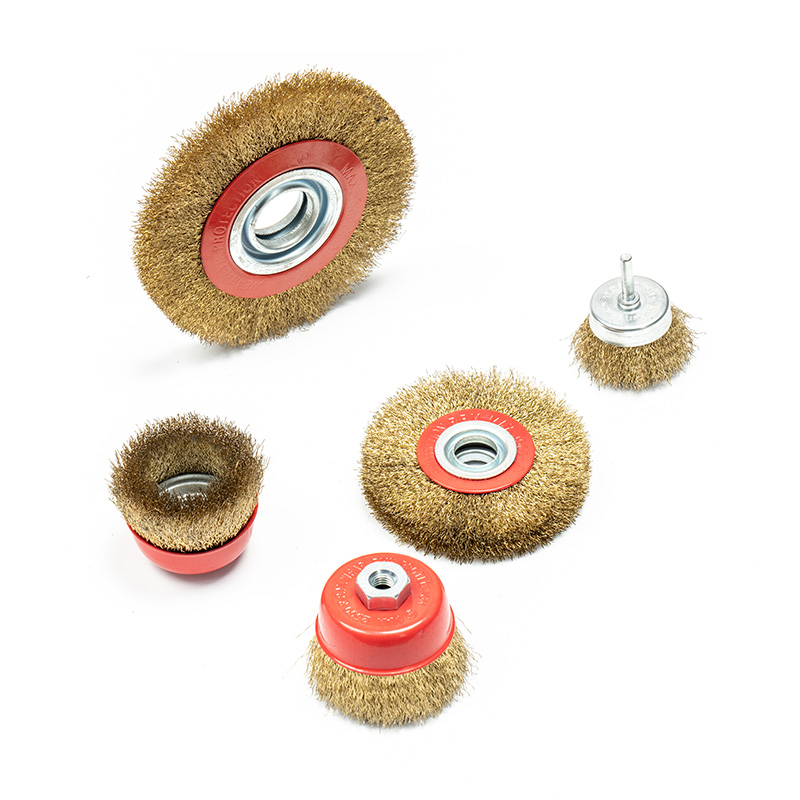
It features curved wire bristles that provide superior flexibility and uniform contact with the surface, ensuring effici...
See Details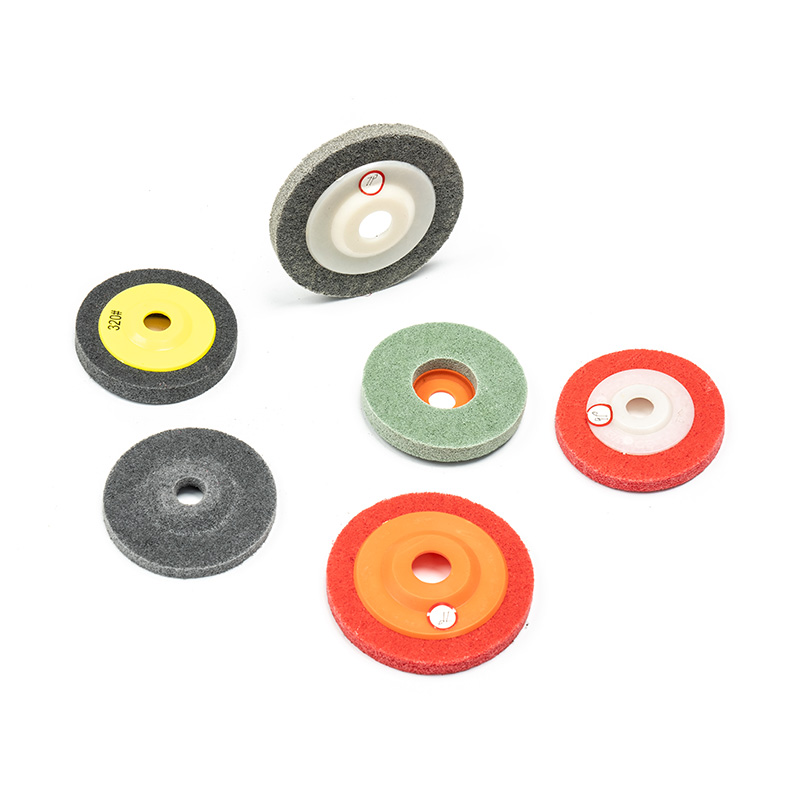
Non-woven fiber wheels are versatile industrial tools designed for surface finishing, especially for polishing, cleaning...
See Details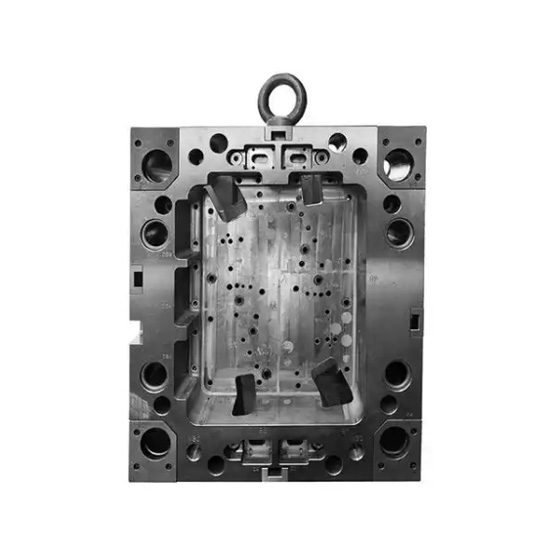
Metal injection molds are a widely used manufacturing process that produces parts by injecting molten material into a mo...
See Details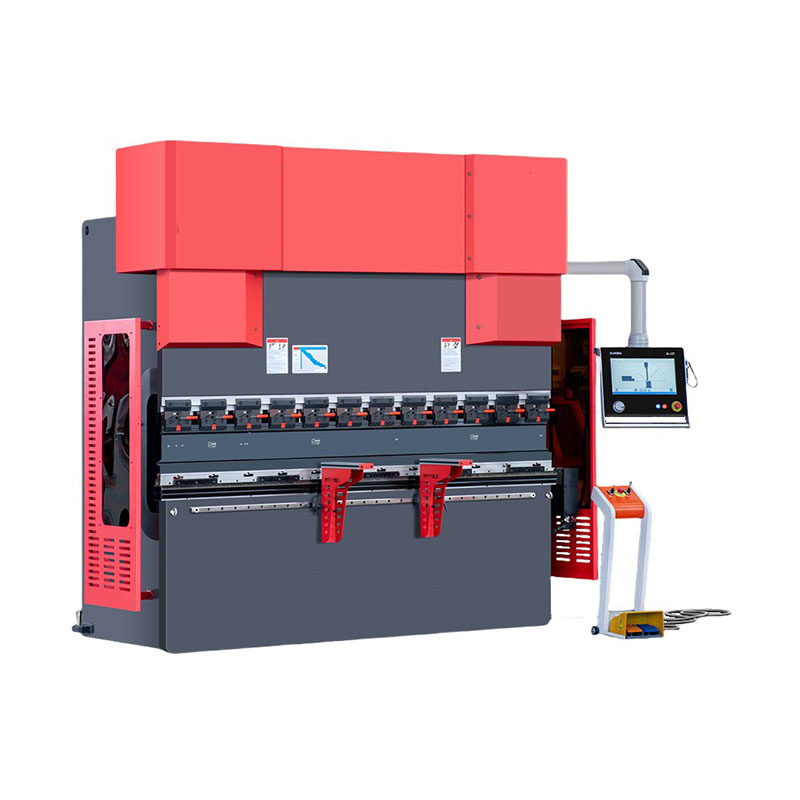
A CNC bending machine is a high-precision piece of equipment designed to bend metal sheets and plates with high accuracy...
See Details
We warmly welcome all industrial and trade companies, converters, abrasives and tool agents and distributors to join us, enjoy Tarun's platform, develop their own markets, and share world resources!
 Email:
 Phone:
+86-18867586928
 Address:
Xiaxichi Industrial Zone, Gushan Town, Yongkang City, Jinhua City, Zhejiang Province

Scan the QR code
Copyright © Yongkang Tarun Technology Co., Ltd.

Metal Processing Automatic Machine Factory

+86-18867586928


Contact Us