 English
 中文简体
中文简体 Español

Cat:Brush Making Machine
The Full-Automatic Wire Twist Pen Brush Machine represents a significant leap in efficiency and precision for manufactur...
See Details
Brush production involves more movement than the finished product may suggest. Bristles or other brush materials have to be fed into equipment, positioned, cut, fixed, shaped, or transferred during different stages of production. Rotating parts and moving work areas operate close to places where workers may need to load materials or check the production process.
A Brush Manufacturing Machine therefore needs to be designed around the way people actually work with it. A protective cover may separate an operator from a moving part, while an accessible control button can make it easier to stop the equipment when something does not look right. Neither feature works well in isolation. The machine structure, controls, working area, and maintenance access need to fit together.
The risks can also change during a normal production cycle. Loading material is different from adjusting a setting. Removing a finished brush is different from clearing a material blockage. Cleaning the working area creates another situation because an operator may need to work closer to parts that are normally enclosed.
A practical safety design starts by asking where people interact with the machine and what can happen during those interactions.
Common areas that deserve attention include:
Good safety planning does not mean making every part of a machine difficult to reach. Operators still need to perform ordinary tasks without unnecessary obstacles. The challenge is to keep routine access convenient while limiting accidental contact with moving or energized parts.
Production conditions matter as well. A machine may operate differently when materials are misaligned, when a component needs adjustment, or when production is interrupted. Safety features need to remain useful during these less predictable moments, not only while the equipment is running normally.
That makes machine safety a combination of physical protection, clear operation, suitable controls, and sensible maintenance procedures.
Physical guarding is one of the easiest safety features to recognize. Covers and barriers can keep hands, clothing, and loose objects away from moving components. Their shape and position need to correspond with the actual movement inside the machine rather than simply covering a convenient section of the housing.
A guard should also allow operators to perform necessary tasks without encouraging them to remove it during normal production. When a protective part makes loading or inspection unnecessarily difficult, workers may be tempted to work around it. Practical design considers both protection and access.
Moving areas should be separated according to their function. A rotating section may require a different protective arrangement from a material feeding point. An area that needs frequent adjustment may need controlled access, while a section that does not require routine contact can remain enclosed.
Visibility is another useful consideration. Operators often need to see whether materials are moving correctly or whether a finished brush has reached the expected position. A protective cover that allows visual inspection can reduce the need to open the machine simply to check what is happening inside.
The condition of the guard matters too. Loose covers, damaged panels, or poorly fitted protective parts can create problems of their own. Regular inspection should look at whether protective components remain securely positioned and whether they have been affected by normal production activity.
Safety design also needs to consider what happens after a protective part is opened or removed. The machine should not continue operating in a way that creates an unexpected hazard while a person is accessing the protected area. The exact control arrangement depends on the equipment structure, yet the basic purpose remains clear: access to an internal working area should not expose a person to uncontrolled movement.
For a Brush Manufacturing Machine, practical protective features may include:
The useful approach is to place protection where the actual risk occurs rather than adding barriers without considering how the equipment is used.
Normal controls handle ordinary production. Emergency stop functions serve a different purpose. They provide a way to bring equipment to a stop when an unexpected situation requires immediate action.
The location of the stop control matters. An operator should not need to move around the machine or reach through a working area to use it. The position should correspond with the places where people normally stand during operation, loading, or inspection.
The control itself should also be easy to recognize and operate. Confusing it with ordinary start or adjustment controls can create unnecessary delay when something unusual occurs.
An emergency stop function is particularly relevant when:
Stopping the machine is only part of the process. Restarting deserves attention as well. After an interruption, the operator needs to know why the equipment stopped and whether the working area is safe before production begins again. A sudden restart can create a different hazard from the original problem.
For that reason, control logic should distinguish between stopping the equipment and intentionally starting it again. The restart process should require a deliberate action rather than allowing movement to resume unexpectedly when power or operating conditions return.
Emergency controls also need routine checking. A button that is rarely used may receive little attention, yet its condition matters precisely because it is intended for unusual situations. Operators and maintenance personnel should know how the stop function works and how the machine behaves after activation.
Safety controls are most useful when they fit naturally into the working process. Operators should not have to remember a complicated procedure during a stressful situation.
Electrical parts are closely connected with machine movement. Motors, switches, control components, wiring, and power connections allow the equipment to operate, while faults or damaged electrical parts can create risks that are not visible from the outside.
A sensible electrical layout keeps wiring protected from moving components and areas where materials may interfere with connections. Cables should not be left where they can be pulled, crushed, or repeatedly rubbed by mechanical parts. Connections also need to remain secure during normal machine vibration.
The control cabinet or electrical enclosure should provide suitable protection for the components inside. Access for maintenance is necessary, although routine operators do not normally need to work inside energized electrical areas.
Clear separation between operating controls and service areas can help prevent accidental contact. Labels and understandable control arrangements can also reduce mistakes when several switches or operating functions are located close together.
Electrical safety becomes especially important during cleaning and maintenance. Dust, brush materials, and production debris can accumulate around equipment if housekeeping is neglected. Keeping the machine and its electrical areas clean helps reduce avoidable problems, while internal electrical work should be handled under appropriate maintenance procedures.
An Industrial Brush Machine may operate with several connected functions, so electrical safety cannot be separated completely from mechanical safety. A fault in a control circuit can affect machine movement, while a mechanical problem may require electrical power to be isolated before inspection.
Operators therefore benefit from clear procedures covering:
Electrical protection works alongside physical guarding and emergency controls. Once the machine's power and movement are considered together, the next concern is the point where materials enter the working area. Feeding and loading create direct contact between production materials and the moving equipment, making that area particularly important in day‑to‑day operation.
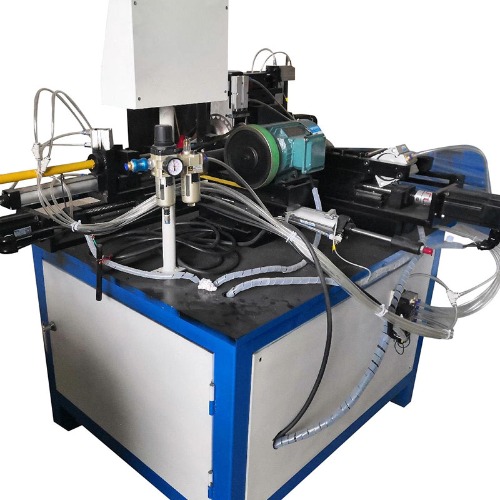
Material feeding is one of the points where operators interact directly with production equipment. Brush materials may need to be placed, aligned, replenished, or adjusted before the machine can continue working. During these actions, hands can naturally move closer to the operating area, so the design of the feeding section deserves careful attention.
The feeding path should make it clear where material belongs and where hands should remain during normal operation. A narrow or poorly arranged opening may encourage an operator to reach farther into the machine when material does not move as expected. A more practical arrangement gives the material a clear path while keeping unnecessary hand access away from moving parts.
Material behavior can also change during production. Brush fibers or other flexible materials may bend, gather, shift, or become caught. A problem that appears small at the feeding point can affect movement farther inside the machine.
When a blockage occurs, continuing to push the material by hand can create an avoidable risk. The safer working method is to stop the relevant operation and follow the equipment's clearing procedure rather than reaching into an active mechanism.
An Industrial Brush Machine may also be used with different material forms or production arrangements. Feeding components therefore need to accommodate normal changes without creating openings that allow easy access to moving sections.
Useful design considerations include:
Material feeding also has a connection with product quality. Misaligned material can cause uneven processing and may lead an operator to make repeated adjustments. When the feeding path is easier to observe and manage, unnecessary intervention can be reduced.
The operator's position matters as well. Controls should not force a worker to stand in an awkward place simply to observe the feeding process. A workable layout lets the person monitor material movement while keeping a reasonable distance from areas with mechanical movement.
Once the material has entered the machine, the operator still needs a clear way to control what happens next. That brings the focus to the control system and how its arrangement can reduce mistakes during normal operation.
A machine can have physical protection in place and still be difficult to operate safely when the controls are confusing. Start, stop, adjustment, and reset functions need to correspond with the way production actually takes place.
Controls should be easy to identify without requiring an operator to remember an unnecessarily complicated sequence. Buttons, switches, or other controls placed in a logical position can make ordinary actions easier to carry out correctly.
The relationship between controls also matters. For example, a machine should not begin moving simply because an adjustment control has been touched. Starting should be an intentional action. After a stop caused by an abnormal condition, restarting should also require deliberate operation.
Visual signals can help communicate the machine's state. An operator may need to know whether the equipment is running, stopped, waiting for an action, or experiencing a fault. Clear status information reduces guesswork, especially when the machine has several operating stages.
Control arrangements can also support different working tasks. A production operator may need access to ordinary start and stop functions, while a maintenance worker may require a separate procedure for service work. Keeping these activities distinct helps prevent a maintenance action from being treated like a normal production adjustment.
Good control design does not mean adding more buttons. Too many controls can make the operating panel harder to understand. What matters is whether the available functions match the actual work being performed.
For routine operation, useful questions include:
A Brush Manufacturing Machine may perform several connected actions during production, so the control sequence should correspond with those actions. Clear control logic can reduce mistakes without adding unnecessary complexity to the operator's routine.
The need for clear operation becomes even more apparent during maintenance. Cleaning and adjustment often require closer access to the equipment than ordinary production does.
Maintenance creates a different working environment from normal production. During routine operation, protective covers may keep moving parts away from people. During cleaning, inspection, adjustment, or repair, a worker may need access to areas that are normally enclosed.
That change should be considered during machine design rather than left entirely to maintenance procedures. Access panels need to be practical to open and close, while internal components should not be positioned in a way that encourages unsafe reaching.
Before working inside the equipment, the machine needs to be stopped and its energy supply handled according to the applicable maintenance procedure. Simply pressing the normal stop control may not be enough for every type of service work.
The condition of protective parts should also be checked after maintenance. A cover that was removed for cleaning needs to be correctly positioned again before production resumes. A loose panel, misplaced fastener, or incorrectly fitted component can change the safety condition of the machine.
Routine maintenance can include attention to:
Cleaning deserves particular care in brush production because loose fibers and production residue can gather around working areas. Removing buildup can help keep moving parts accessible for inspection and reduce interference with normal operation.
Maintenance access should also reduce the temptation to improvise. When a machine is difficult to open, inspect, or clean, workers may create temporary methods to reach the required area. Practical access can make the intended procedure easier to follow.
The design relationship between access and protection is therefore important. A machine should be protected during normal operation while still allowing controlled access when service work is required.
Safety starts before a completed machine reaches the production floor. During manufacturing, the position of guards, control components, moving parts, electrical connections, and access panels all need to correspond with the intended machine structure.
A Brush Manufacturing Machine is made from many individual components, so assembly quality can affect the final safety condition. A protective panel needs to sit correctly. A moving shaft needs suitable clearance from surrounding parts. Electrical wiring needs to remain separated from areas where mechanical movement could damage it.
Production checks can therefore look at the assembled machine rather than relying only on individual component inspection. Running the equipment can reveal unusual movement, unexpected contact, vibration, or control behavior that may not be visible when the machine is stationary.
Safety‑related functions also need practical testing. Emergency stop controls, protective access arrangements, startup behavior, and shutdown functions should correspond with the intended operating process.
A production inspection may involve several areas:
The production environment can also influence safety decisions. Equipment installed in a workshop may have different space and access conditions from equipment placed in a compact production area. Noise, dust, lighting, operator position, and maintenance access all become part of the practical working environment.
For an Industrial Brush Machine, the relationship between production speed, material handling, machine movement, and operator access needs to be considered as a complete system. A safety feature that looks suitable during assembly still needs to remain practical once materials, operators, tools, and maintenance tasks are introduced.
Future equipment design is likely to continue bringing safety closer to ordinary machine operation. Rather than treating guarding, controls, electrical protection, material feeding, and maintenance as separate topics, manufacturers can consider how each part affects the others. That approach makes it easier to create equipment where safe working practices fit naturally into everyday production.
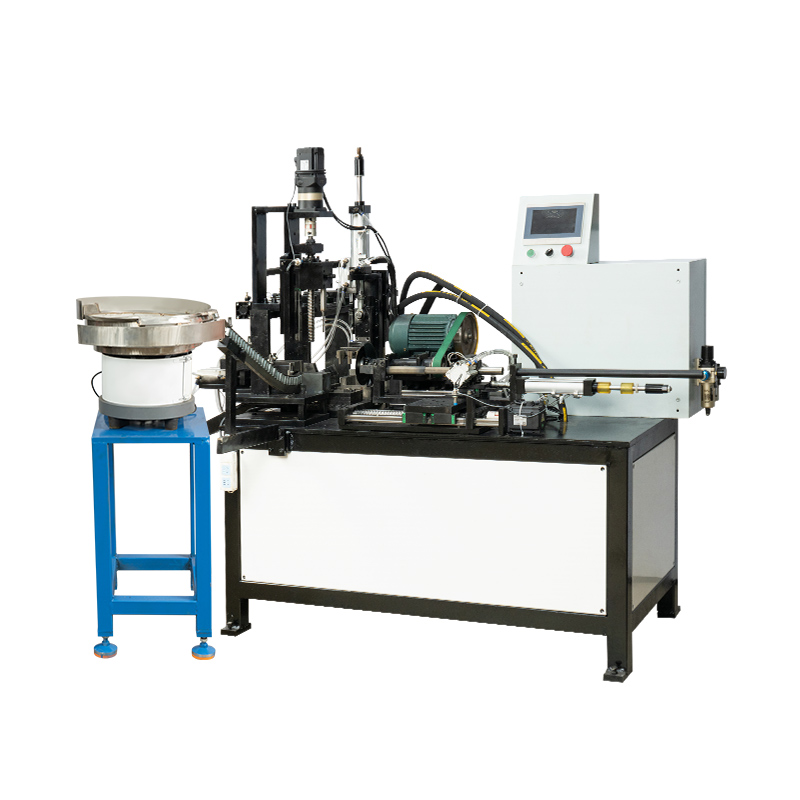
The Full-Automatic Wire Twist Pen Brush Machine represents a significant leap in efficiency and precision for manufactur...
See Details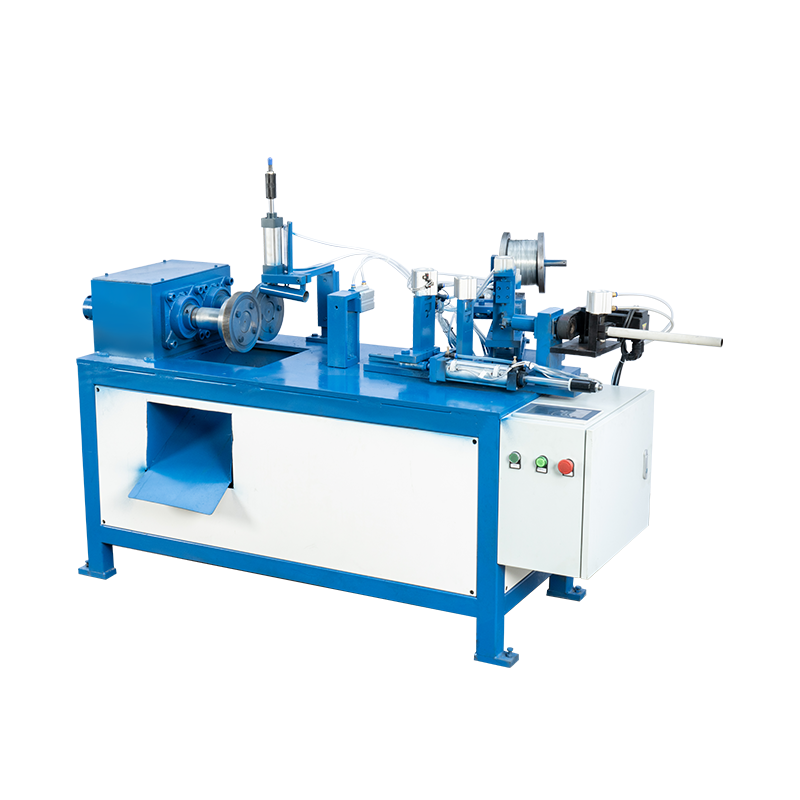
The Automatic Wire Cutting Machine is designed to streamline the process of wire-cutting, particularly in industries whe...
See Details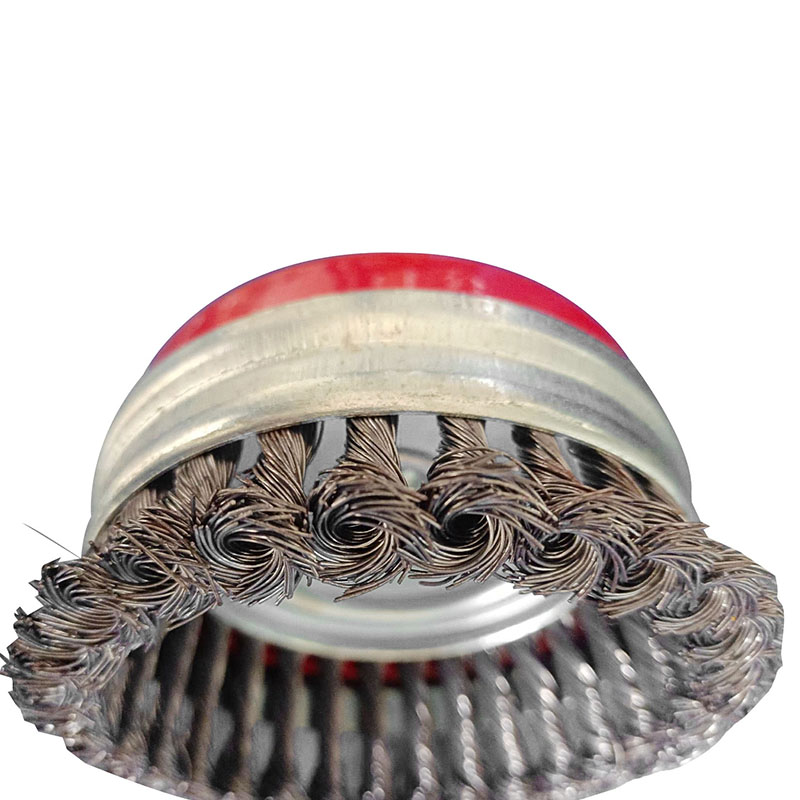
The Bowl Type Twisted Wire Brush is an industrial-grade cleaning tool designed for surface preparation, rust removal, an...
See Details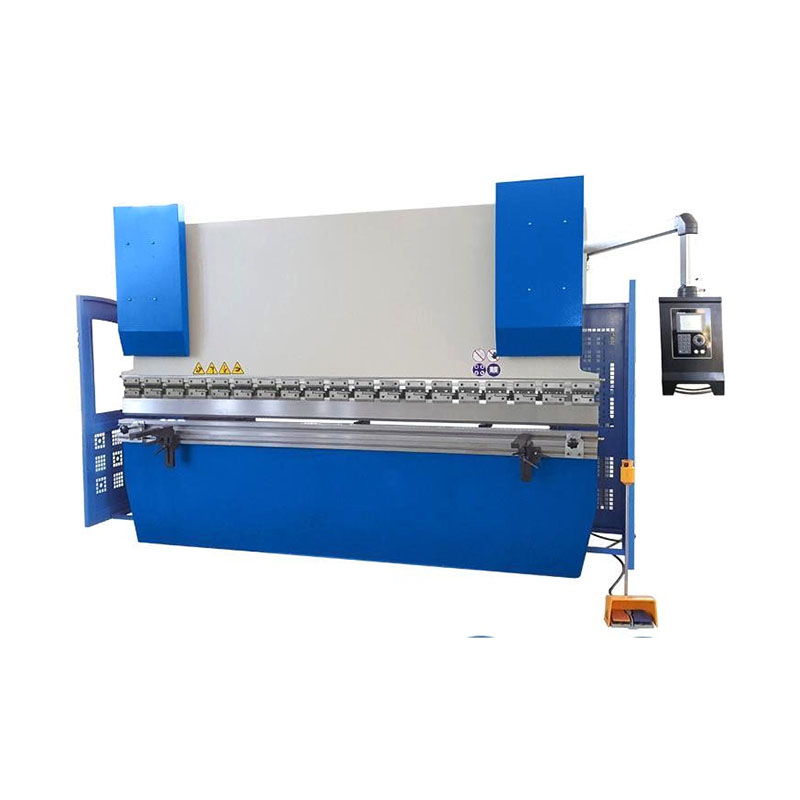
The CNC high precision bending machine is designed for bending metal sheets, such as steel, aluminum, and stainless stee...
See Details
We warmly welcome all industrial and trade companies, converters, abrasives and tool agents and distributors to join us, enjoy Tarun's platform, develop their own markets, and share world resources!
 Email:
 Phone:
+86-18867586928
 Address:
Xiaxichi Industrial Zone, Gushan Town, Yongkang City, Jinhua City, Zhejiang Province

Scan the QR code
Copyright © Yongkang Tarun Technology Co., Ltd.

Metal Processing Automatic Machine Factory

+86-18867586928


Contact Us