 English
 中文简体
中文简体 Español

Cat:Wire Wheel Brush
Made from twisted wire filaments, this brush is used extensively in industrial and maintenance applications for tasks th...
See Details
A Non-Woven Fiber Wheel begins with nylon fibers formed into a three-dimensional mesh structure. This web receives precise applications of resin systems that bond abrasive grains throughout the material. Manufacturing processes control fiber density and abrasive distribution to achieve specific cutting characteristics. The open structure distinguishes these wheels from solid grinding wheels by providing flexibility during use. As the wheel surface wears, fresh abrasive particles expose continuously, maintaining consistent cutting action throughout the product lifespan without requiring dressing or conditioning.
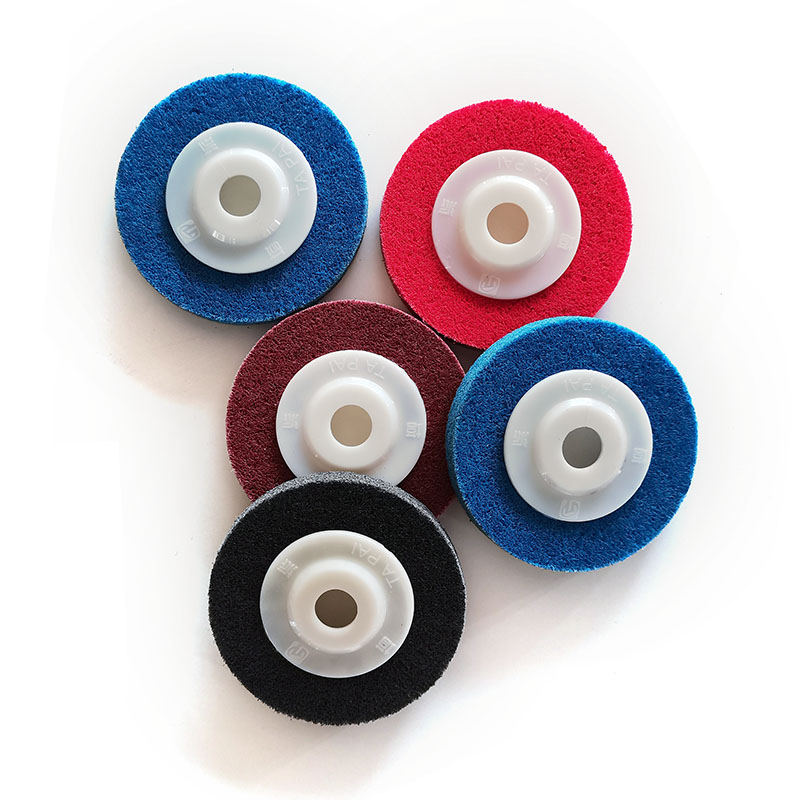
The operational characteristics of a Non-Woven Fiber Wheel derive from its unique material composition. Fibers compress under pressure, allowing the wheel to conform to workpiece contours without gouging or undercutting. This conformability proves valuable for finishing irregular surfaces where rigid wheels cannot reach effectively. The springy nature of nylon fibers provides cushioning that prevents excessive stock removal during final finishing passes. Users achieve controlled surface modification without risking dimensional changes to precision components.
Different cutting requirements demand specific abrasive types within a Non-Woven Fiber Wheel. Silicon carbide grains produce sharp cutting edges ideal for non-ferrous metals, stone, glass, and composites where fast material removal matters. Aluminum oxide offers greater toughness for ferrous metals and longer service life in production environments. Ceramic abrasive variants provide extended cutting duration for demanding applications on hardened materials. Grit size selection ranges from coarse 36 grit for heavy deburring to ultra-fine 1000 grit for cosmetic finishing applications.
Operators achieve varied surface effects through Non-Woven Fiber Wheel selection and technique. Coarse grades produce distinct satin finishes with visible grain direction for architectural applications. Medium grits create uniform matte appearances suitable for paint adhesion preparation. Fine grades generate smooth, low-reflectivity surfaces for functional components requiring controlled texture. The wheels produce consistent results across large surface areas without the pattern variations common with hand finishing methods.
Manufacturing facilities across sectors utilize Non-Woven Fiber Wheel products for diverse tasks. Automotive parts suppliers blend grinding marks from weld seams on chassis components. Medical device manufacturers deburr tiny machined parts without disturbing critical tolerances. Aerospace contractors clean turbine blades while maintaining aerodynamic surface requirements. Food processing equipment fabricators create smooth finishes that resist bacterial accumulation on stainless steel surfaces.
Successful Non-Woven Fiber Wheel use depends on matching operating conditions to wheel specifications. Surface speeds typically range from 1200 to 3600 surface meters per minute depending on wheel density and application. Contact pressures should remain light enough to prevent fiber over-compression that reduces cutting action. Feed rates across workpieces influence final finish uniformity and production efficiency. Proper technique balances these variables for optimal results.
Modern production lines incorporate Non-Woven Fiber Wheel operations into automated finishing cells. Robotic arms manipulate parts through programmed sequences against stationary wheels. Conveyor systems pass continuous material under banks of wheels for uniform processing. CNC machines mount wheels for finishing operations within existing machining cycles. This integration enables consistent quality across high-volume production while reducing labor requirements for finishing tasks.
Proper storage maintains Non-Woven Fiber Wheel condition between production runs. Vertical storage prevents weight-induced distortion that affects balance during operation. Climate-controlled environments protect resin systems from humidity-related degradation. Clean handling prevents contamination that could embed foreign particles in the wheel structure. Following manufacturer guidelines for mounting procedures ensures safe operation at rated speeds.
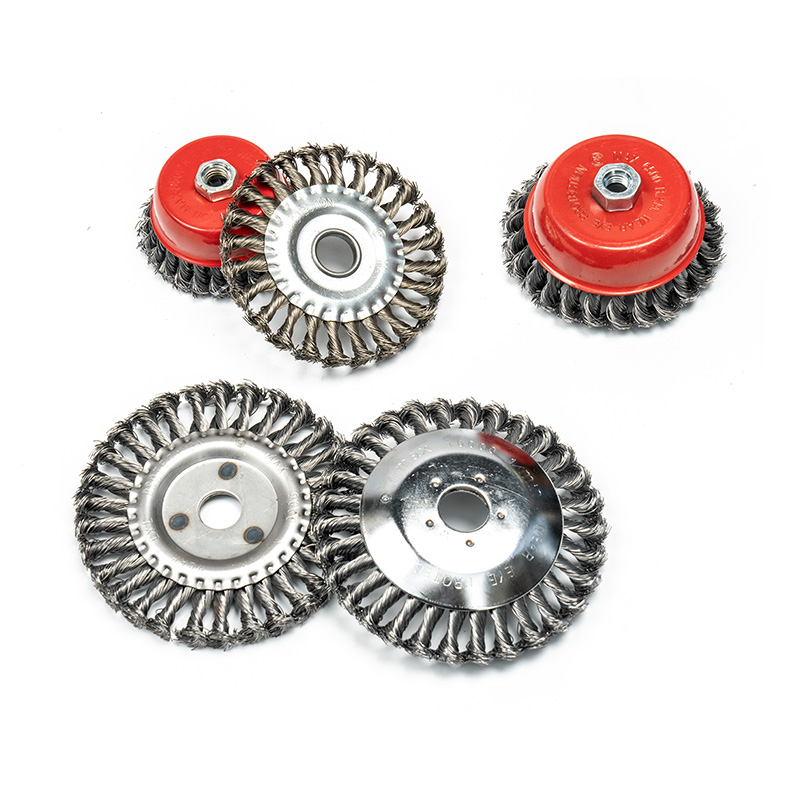
Made from twisted wire filaments, this brush is used extensively in industrial and maintenance applications for tasks th...
See Details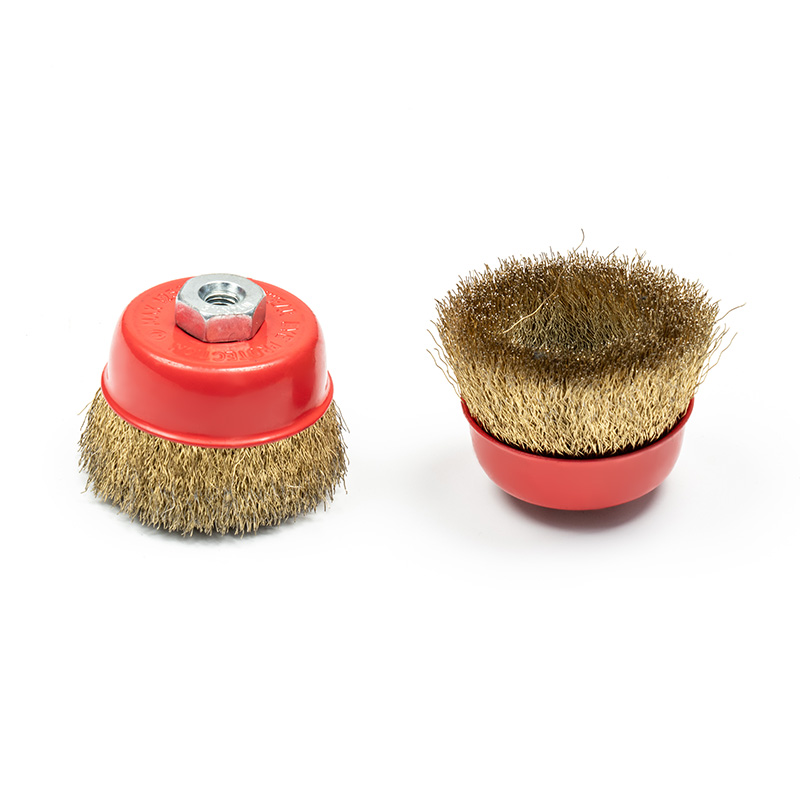
It is primarily used for cleaning, rust removal, polishing, and surface preparation. The bowl-shaped configuration of th...
See Details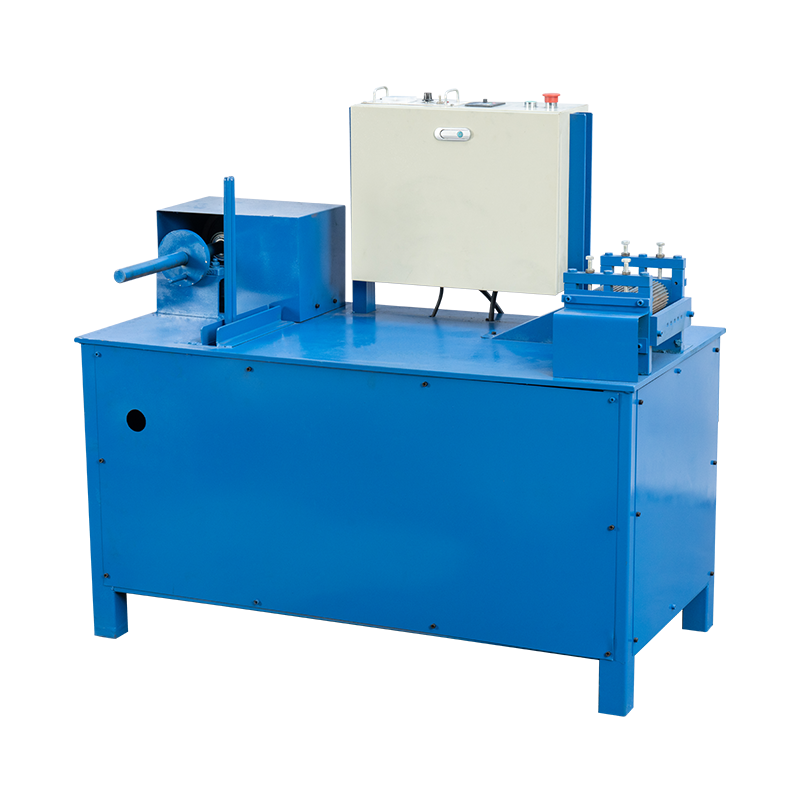
The Wire Bending Machine is an essential piece of equipment in the production of steel wire brushes, where precision, ef...
See Details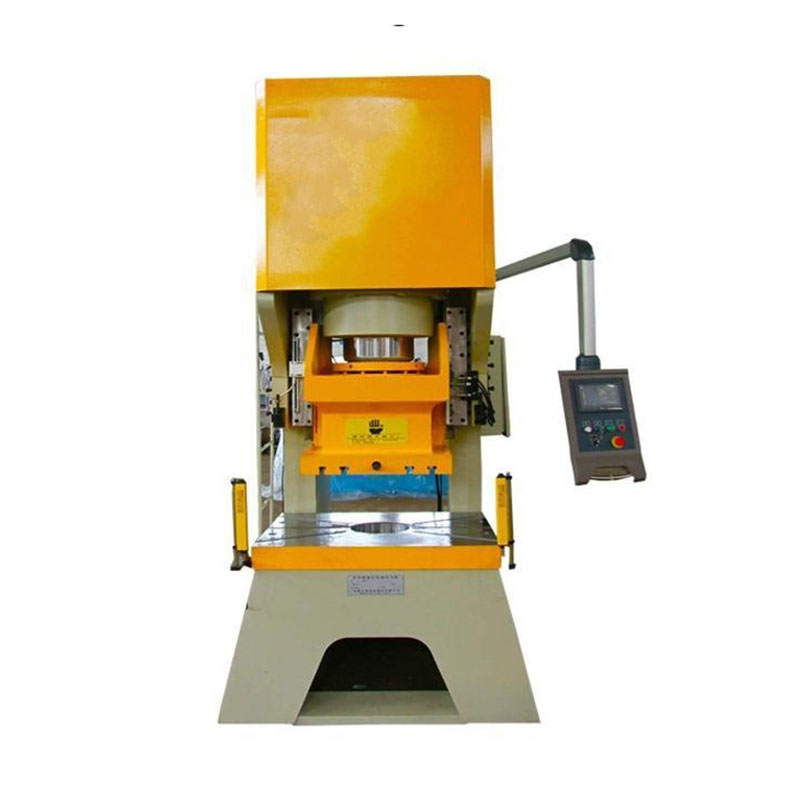
The CNC Precision Fast Punching Machine is designed to deliver high-speed, accurate, and reliable punching solutions for...
See Details
We warmly welcome all industrial and trade companies, converters, abrasives and tool agents and distributors to join us, enjoy Tarun's platform, develop their own markets, and share world resources!
 Email:
 Phone:
+86-18867586928
 Address:
Xiaxichi Industrial Zone, Gushan Town, Yongkang City, Jinhua City, Zhejiang Province

Scan the QR code
Copyright © Yongkang Tarun Technology Co., Ltd.

Metal Processing Automatic Machine Factory

+86-18867586928


Contact Us