 English
 中文简体
中文简体 Español

Cat:Brush Making Machine
The Curved Brush Chip Cleaning Machine is engineered to solve common challenges in chip manufacturing, where cleanliness...
See Details
Modern Non-Woven Fiber Wheel Production Equipment integrates multiple processing stages into cohesive manufacturing lines. These systems handle fiber web formation, resin application, and curing processes within controlled environments. Equipment manufacturers design machinery with precise tension controls that maintain uniform fiber distribution throughout production runs. Advanced models feature programmable logic controllers that regulate temperature zones and pressure settings automatically. This integration allows factories to produce wheels with consistent density and abrasive characteristics across large production volumes. The technology behind Non-Woven Fiber Wheel Production Equipment continues evolving with digital monitoring capabilities.
The initial production stage relies on specialized machinery for creating uniform fiber webs. Non-Woven Fiber Wheel Production Equipment includes carding machines or air-laid systems that arrange fibers into consistent mats. These machines control fiber orientation and web weight through adjustable feed rates and roller speeds. Proper web formation determines final wheel density and structural integrity. Equipment operators monitor fiber distribution using sensors that detect variations during production. Consistent web formation prevents weak spots that could cause premature wheel failure during industrial use. Manufacturers select equipment based on target wheel specifications and production volume requirements.
Binding fibers together requires precise resin application systems within Non-Woven Fiber Wheel Production Equipment. Spray systems apply liquid resins uniformly across moving fiber webs. Some equipment uses saturation baths where webs pass through resin solutions for complete penetration. Roller coating systems offer alternative application methods for specific wheel types. Equipment controls regulate resin viscosity and application rates based on desired wheel hardness. Curing ovens then activate resin systems under controlled temperatures. Proper resin distribution ensures abrasive grains bond securely to fiber surfaces throughout wheel life.
Forming wheels to final specifications requires compression machinery integrated with Non-Woven Fiber Wheel Production Equipment. Hydraulic presses apply measured force to layered fiber materials, achieving target density and thickness. Calibration stations verify wheel dimensions against specifications using laser measurement systems. Reject mechanisms remove non-conforming products automatically from production lines. Pressure settings adjust for different wheel types, from soft finishing wheels to dense cutting grades. Consistent compression ensures each wheel performs predictably during grinding and polishing operations.
Modern Non-Woven Fiber Wheel Production Equipment incorporates extensive quality monitoring throughout production cycles. In-line sensors measure web weight, resin coverage, and cured density continuously. Vision systems inspect wheel surfaces for defects before packaging stages. Data collection systems track production parameters for each batch, enabling traceability and process refinement. Manufacturers use this information to maintain consistent quality across shifts and production dates. Monitoring technology reduces waste by detecting issues early in production sequences.
Regular maintenance preserves Non-Woven Fiber Wheel Production Equipment performance and extends machinery life. Cleaning schedules remove resin buildup from application nozzles and conveyor surfaces. Bearing lubrication prevents mechanical wear in rotating components. Calibration checks verify sensor accuracy for critical measurements. Filter replacements maintain air quality in curing oven systems. Manufacturers following structured maintenance programs experience fewer unplanned stoppages and more consistent product quality over equipment lifetimes.
Contemporary Non-Woven Fiber Wheel Production Equipment incorporates energy-saving technologies that reduce operating costs. Variable frequency drives adjust motor speeds to match production demands rather than running continuously. Insulated curing ovens retain heat more effectively, requiring less energy for temperature maintenance. Heat recovery systems capture exhaust warmth for pre-heating applications. These features help manufacturers control production expenses while maintaining output capacity. Energy efficiency has become an important consideration for equipment selection in competitive markets.
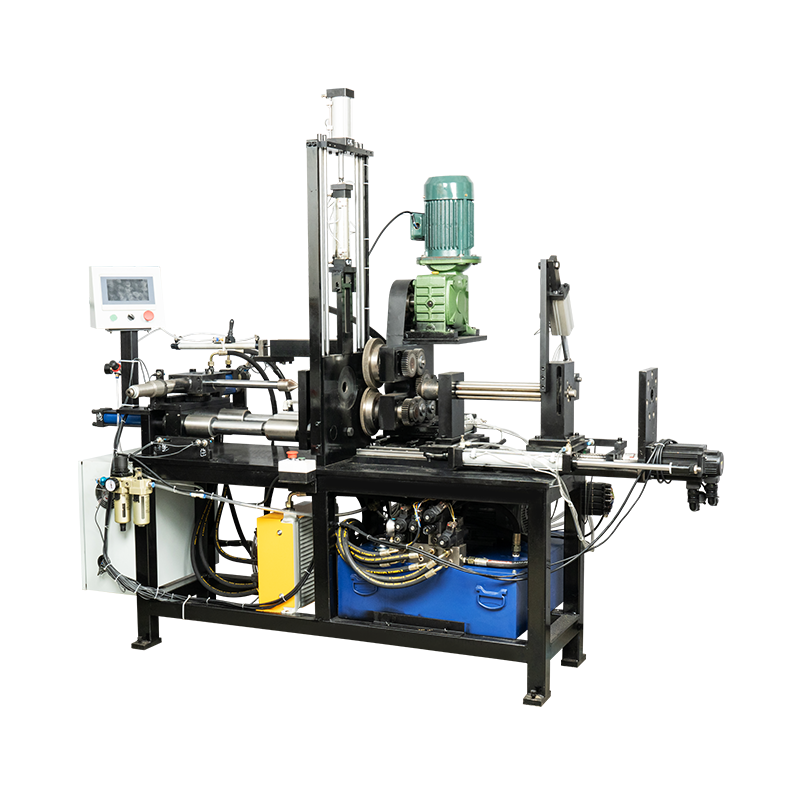
The Curved Brush Chip Cleaning Machine is engineered to solve common challenges in chip manufacturing, where cleanliness...
See Details
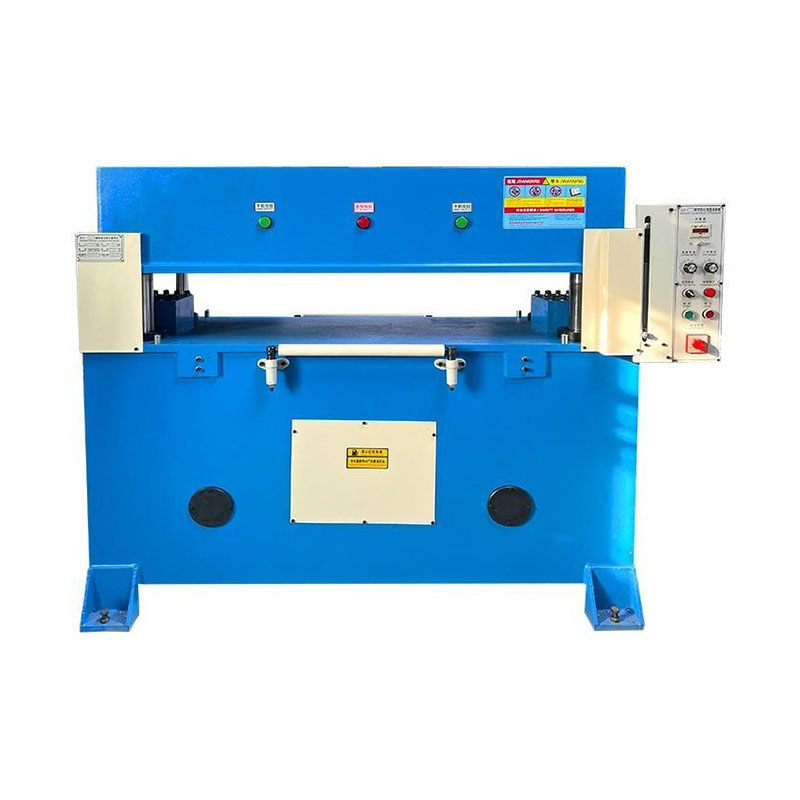
The CNC hydraulic cutting machine is a highly efficient, automated system designed to provide precision cutting for vari...
See Details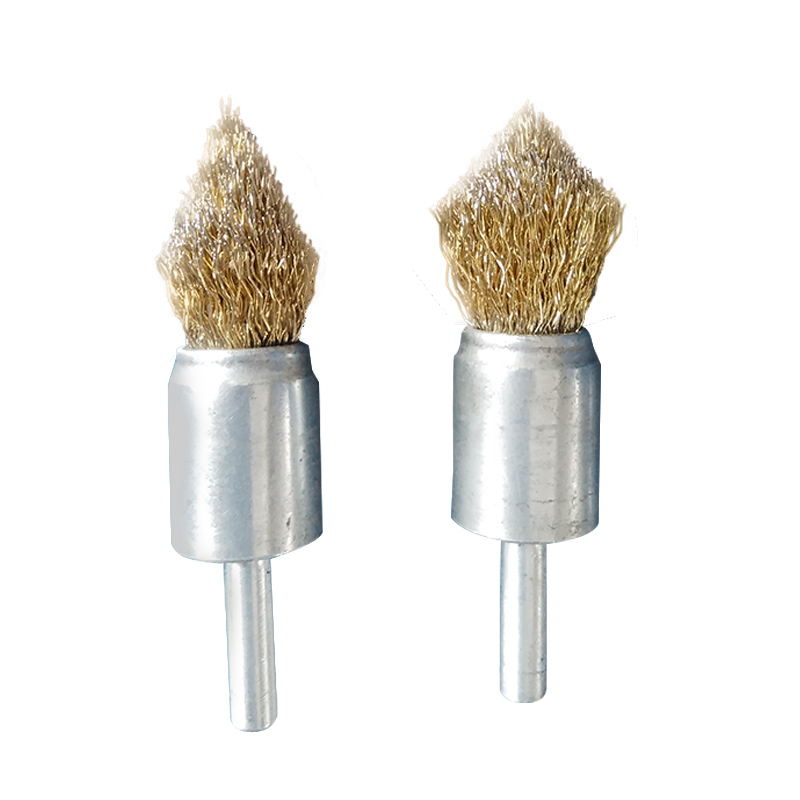
The pen type wire brush is a versatile tool designed for cleaning, deburring, polishing, and surface preparation. Compac...
See Details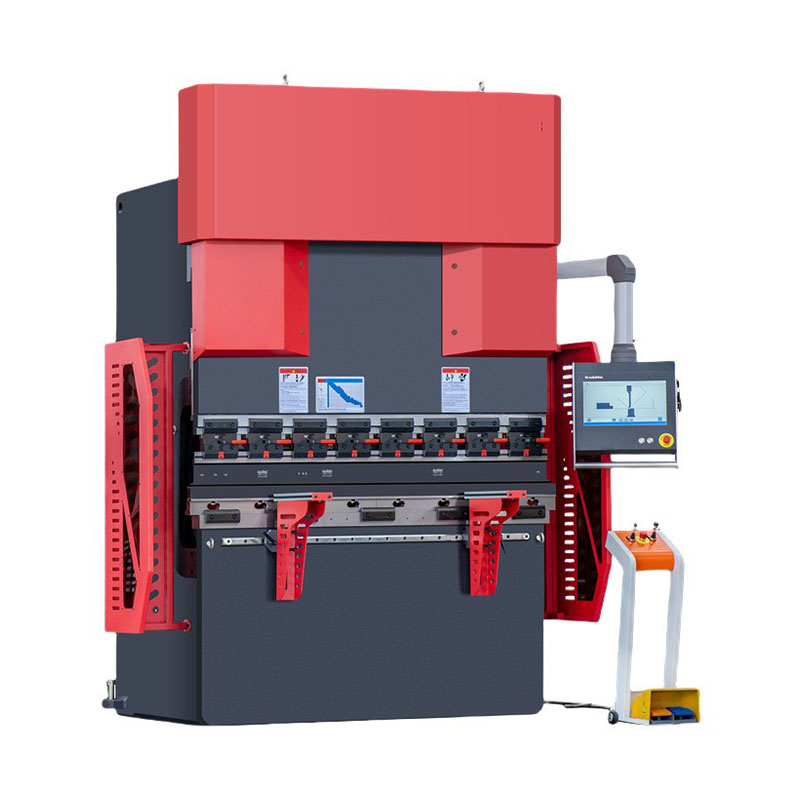
A CNC shearing machine is a precision tool designed for cutting sheet metal with high accuracy and efficiency. It is com...
See Details
We warmly welcome all industrial and trade companies, converters, abrasives and tool agents and distributors to join us, enjoy Tarun's platform, develop their own markets, and share world resources!
 Email:
 Phone:
+86-18867586928
 Address:
Xiaxichi Industrial Zone, Gushan Town, Yongkang City, Jinhua City, Zhejiang Province

Scan the QR code
Copyright © Yongkang Tarun Technology Co., Ltd.

Metal Processing Automatic Machine Factory

+86-18867586928


Contact Us