 English
 中文简体
中文简体 Español

Cat:Non-Woven Fiber Wheel Production Machine
A nonwoven bonding machine is a highly specialized piece of equipment designed to apply adhesive and sand to nonwoven fa...
See Details
Metal stamping appears in many manufacturing processes because flat metal sheets can be shaped into repeatable components without requiring a separate machining process for every individual piece. The equipment selected for that work depends on the material, component shape, production rhythm, and level of process control required.
A High Speed Punch Press is generally associated with production environments where metal parts need to pass through repeated forming operations at a steady pace. Small brackets, clips, terminals, covers, supports, and other sheet-metal components can fit this type of process.
Industry requirements are rarely identical. A component used inside an electronic device may have a different shape and material from a support used in household equipment. Even when both parts are produced from sheet metal, their forming behavior, dimensional requirements, and tooling arrangements can differ.
Several factors commonly influence equipment selection:
Equipment selection is closely connected with the design of the part. A simple shape may require relatively straightforward forming, while a component containing bends, openings, or several connected features can require a more carefully coordinated process.
Automotive manufacturing contains a wide range of metal components, and not all of them require large forming equipment. Smaller sheet-metal parts can be produced through repeated punching and forming, particularly when the same geometry needs to be reproduced across a production run.
Common applications include brackets, clips, mounting pieces, reinforcing elements, and small connection parts. Their shapes may appear simple, yet consistent positioning and clean edges can affect later assembly.
Material movement also matters. When a strip of metal passes through several forming positions, feeding needs to remain stable. Misalignment can influence hole placement, bends, or the relationship between individual features.
Tooling is planned around the part rather than treated as a separate production concern. A Stamping Tool Die may combine several forming actions within one working sequence, reducing the need to move a small component between unrelated operations.
Automotive production can place attention on:
The choice of equipment therefore depends on the component being produced. Small repetitive parts have different requirements from large body structures, even though both belong to the automotive sector.
Electronic products contain many metal components that occupy little physical space but still require controlled shaping. Connection pieces, contact components, shielding parts, small brackets, and internal supports are examples of parts that may be formed from thin metal material.
For such components, the challenge often lies in maintaining shape during repeated processing. A narrow strip can move through the production line while several holes, cuts, or bends are created along its path. Small changes in feeding position may affect the finished component.
Surface condition can also matter. Edges that are uneven or poorly formed may interfere with assembly, particularly where a metal part needs to fit into a small opening or connect with another component.
| Production Consideration | Effect On Manufacturing |
|---|---|
| Thin sheet material | Requires controlled feeding and forming |
| Small component size | Calls for accurate positioning |
| Multiple openings | Influences tool layout and material movement |
| Repeated bending | Places demands on forming consistency |
| Tight assembly space | Makes edge and shape control important |
A Stamping Tool Die designed for small electronic components must accommodate the geometry of the part while allowing material to move through the process without unnecessary interruption.
Different electronic products also create different production needs. A small connector component, for example, may require a different forming arrangement from a protective metal cover. Equipment and tooling are selected according to the actual component rather than the broad product category alone.
Electrical equipment includes many products built around metal contacts, supports, housings, mounting components, and connection structures. Sheet metal is useful in these applications because it can provide both physical support and defined shapes for assembly.
Repeated production makes controlled punching valuable for components with established geometries. Openings, slots, mounting features, and formed edges can be produced as part of a planned sequence, reducing separate handling between operations.
Material selection influences the process as well. Softer sheet material may respond differently from harder material during punching and bending. Springback, edge condition, and deformation can affect how a finished piece fits into an electrical assembly.
Maintenance also becomes part of production planning. Punching tools gradually change with use, and wear can affect edges or dimensions. Regular checks allow adjustments to be made before small changes become visible in assembled products.
For electrical equipment manufacturers, equipment selection is often connected with four practical areas:
The role of a High Speed Punch Press extends beyond the movement of the punching mechanism. Feeding, forming, tool condition, material handling, and inspection all contribute to how consistently a metal component can move from sheet material to a finished part.
Consumer products often contain small metal pieces that are easy to overlook during product design. Brackets, clips, covers, mounting pieces, and internal supports can all require repeated punching or forming before assembly. Household equipment, kitchen products, office items, and personal-use goods may use similar processes, although the shape and material requirements can differ.
Appearance can become an additional consideration when a stamped piece remains visible after assembly. Edges, bends, openings, and surface condition need to match the surrounding product design. Hidden components may place greater attention on fit and function, while visible pieces can require closer control of their finished appearance.
A High Speed Punch Press can suit production where the same metal shape needs to pass through a repeatable sequence. The actual setup depends on the part rather than the consumer category itself. A thin mounting clip and a formed cover, for example, may require very different feeding and tooling arrangements.
Material choice also changes the way a component moves through production. Some sheets bend readily, while others resist deformation or require different handling during forming. Tool clearance, feeding stability, and part removal need to reflect those differences.
Several consumer-product applications commonly involve:
The production approach is shaped by the relationship between the part and the equipment. A compact component with several repeated features may benefit from a continuous process, while a larger or less repetitive piece can call for another arrangement.
Hardware manufacturing covers a broad group of products, from connection pieces to structural fittings. Many have relatively simple shapes, but their production still depends on accurate cutting, forming, and separation of the finished pieces.
A metal strip can move through several operations while openings are created and edges are formed. Such an arrangement can reduce unnecessary handling and keep related operations within one production flow. For components with a straightforward shape, the process may involve only a few basic actions.
The situation changes when the part includes several bends or closely positioned openings. Tool layout then becomes closely tied to material movement. A poorly matched setup can create interference, deformation, or difficulty removing the finished component.
A Stamping Tool Die has a direct role in this relationship. Its structure determines where material is cut or formed and how individual operations are arranged. Different hardware components can require different tooling even when they use similar sheet materials.
Production planning often considers:
Scrap handling deserves attention as well. Cutting creates unused material, and its movement should not interfere with the finished parts or the feeding path. A practical layout considers both the useful component and the material left behind.
Tooling decisions begin with the component drawing, but the drawing is only part of the production picture. Material condition, feature arrangement, forming direction, and the intended production method all affect how a die should be prepared.
A component with several connected operations may be processed through one coordinated tooling arrangement. Another part may be better suited to separate operations when its geometry or material makes continuous forming less practical.
The relationship can be viewed through several production factors:
| Part Requirement | Tooling Consideration |
|---|---|
| Simple openings | Cutting areas need suitable clearance |
| Multiple bends | Forming positions need careful arrangement |
| Thin material | Feeding and support require control |
| Closely spaced features | Working areas need sufficient separation |
| Repeated production | Wear and maintenance need regular attention |
Tool wear gradually changes cutting and forming conditions. Once working edges become less consistent, burrs, deformation, or dimensional variation may appear. Maintenance is consequently part of the tooling plan rather than an issue considered only after a problem occurs.
Material changes can require tooling adjustments as well. A die prepared for one type of sheet may not behave in the same way with another material that has different hardness or flexibility. Clear communication between material purchasing, tooling preparation, and production helps prevent such mismatches.
Demand for punching equipment varies with the type of parts being manufactured. A factory producing small repetitive components has different equipment needs from a facility handling larger structures or products with irregular production patterns.
Part size is one consideration, but it is not the only one. Material thickness, shape complexity, feeding method, required forming sequence, and available production space can all influence equipment planning.
Automation can also change the production arrangement. When material feeding and part removal are coordinated with the press, fewer manual handling steps may be required. Other production lines may still depend on operator-assisted loading or inspection, particularly when components vary between production runs.
Equipment planning commonly takes account of:
A High Speed Punch Press is consequently not selected simply because a product belongs to a particular industry. Its suitability depends on the relationship between equipment capability, component design, material behavior, and production organization.
The same principle applies across automotive components, electronics, electrical equipment, consumer products, and hardware. Each sector contains parts with different shapes and production requirements. A Stamping Tool Die must fit the intended component, while the press, feeding system, tooling, and inspection process need to operate as one coordinated production setup.
For manufacturers comparing equipment options, the practical focus remains on the actual part being produced. Looking at material, geometry, forming sequence, handling method, and maintenance requirements together provides a clearer basis for selecting an appropriate production arrangement.
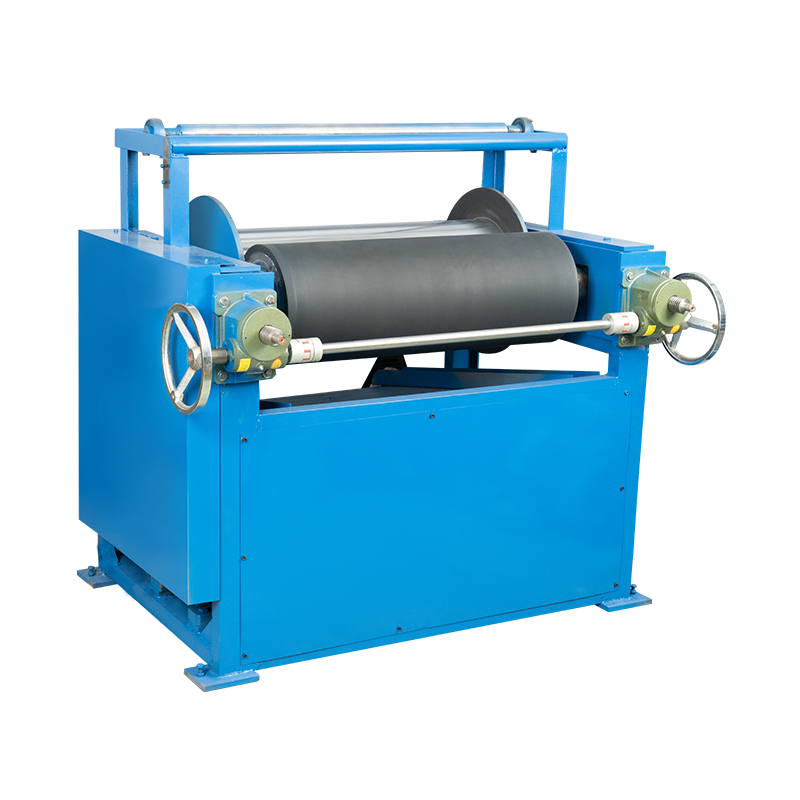
A nonwoven bonding machine is a highly specialized piece of equipment designed to apply adhesive and sand to nonwoven fa...
See Details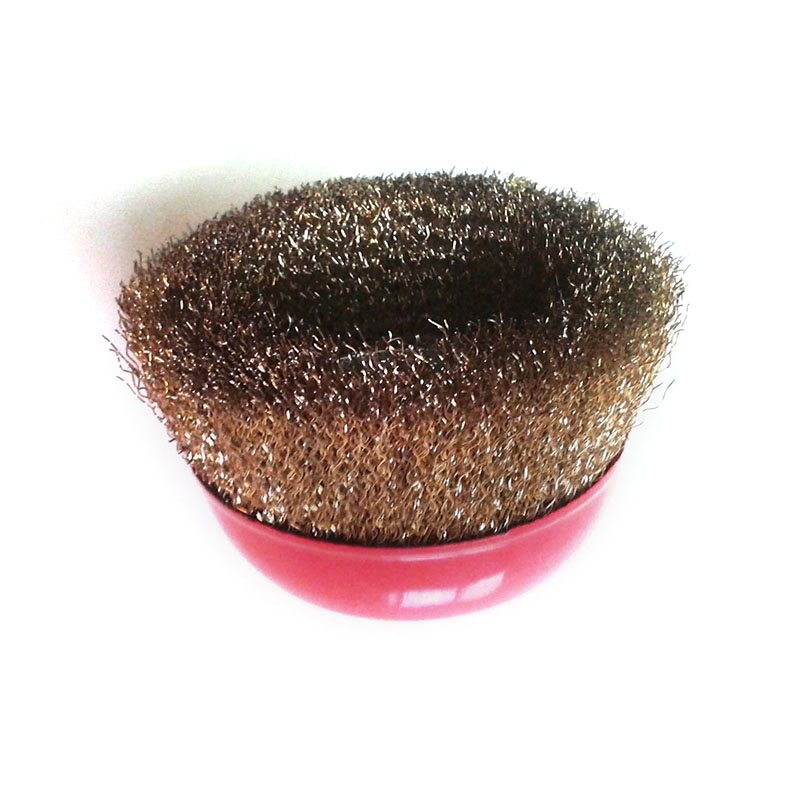
The Bowl Wire Brush is a versatile and durable cleaning tool designed for various surface preparation tasks, including r...
See Details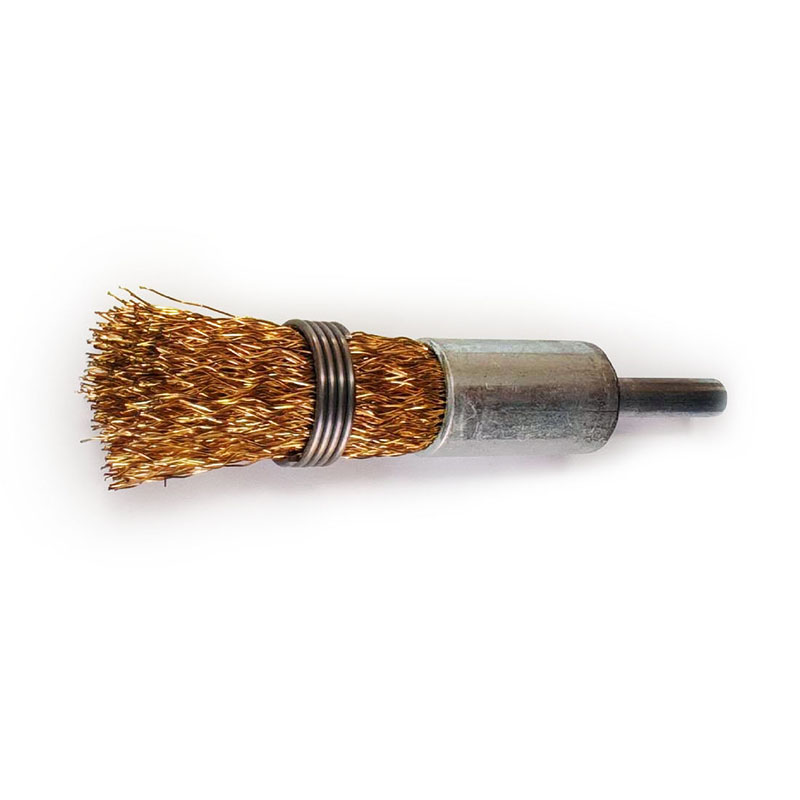
A polishing wire brush is an essential tool used in a variety of industries for achieving a smooth, polished surface on ...
See Details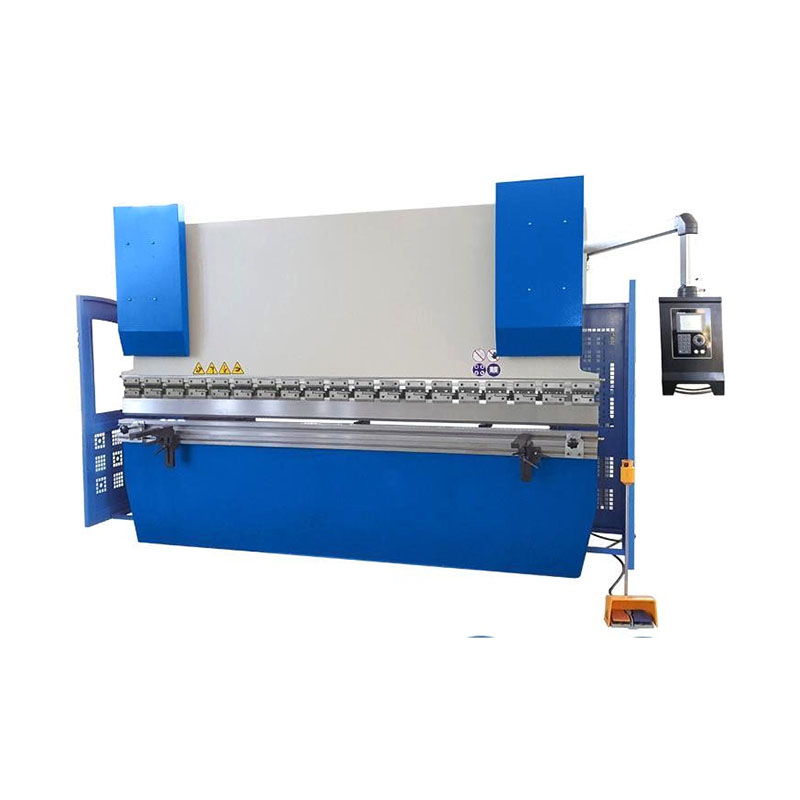
The CNC high precision bending machine is designed for bending metal sheets, such as steel, aluminum, and stainless stee...
See Details
We warmly welcome all industrial and trade companies, converters, abrasives and tool agents and distributors to join us, enjoy Tarun's platform, develop their own markets, and share world resources!
 Email:
 Phone:
+86-18867586928
 Address:
Xiaxichi Industrial Zone, Gushan Town, Yongkang City, Jinhua City, Zhejiang Province

Scan the QR code
Copyright © Yongkang Tarun Technology Co., Ltd.

Metal Processing Automatic Machine Factory

+86-18867586928


Contact Us