 English
 中文简体
中文简体 Español

Cat:Non-Woven Fiber Wheel Production Machine
A nonwoven bonding machine is a highly specialized piece of equipment designed to apply adhesive and sand to nonwoven fa...
See Details
Metal surface treatment in workshop environments often looks straightforward from a distance, yet once rotation starts and wire contact meets uneven metal surfaces, the behavior of the tool becomes more dynamic than expected. A Small Rotary Wire Brush works through continuous spinning motion combined with direct surface contact, which means stability depends not only on the machine itself, but also on how force is applied and how the metal piece reacts under friction.
In many practical cases, safety is not treated as a separate step, since it is already embedded in how the operation is handled from the beginning. When rotation speed increases, even small changes in angle or pressure may influence how the brush interacts with the surface, and this interaction often determines whether the cleaning process remains controlled or becomes irregular.
Metal cleaning is rarely a uniform process. Different parts of a workpiece may contain flat zones, sharp edges, curved surfaces, or areas affected by oxidation. When a rotating wire brush touches these mixed conditions, resistance changes continuously, which creates uneven force distribution during operation.
A Small Rotary Wire Brush does not simply remove material in one direction. Instead, it produces repeated micro-contact between wire ends and the surface, and each contact point reacts slightly differently depending on hardness and texture. Over time, this repeated interaction shapes both the cleaning result and the stability of handling.
Several working conditions often appear together:
In real workshop environments, these conditions are not isolated. They overlap and influence each other, which makes stability during operation more dependent on control habits rather than tool appearance.
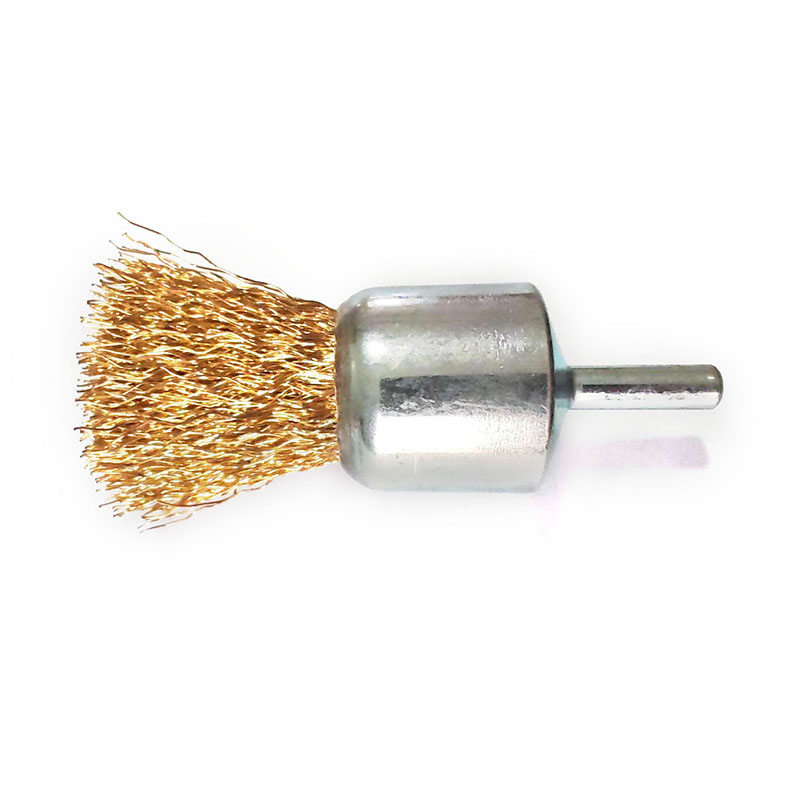
The operating principle of a Small Rotary Wire Brush is based on high-speed rotation combined with flexible wire contact. Each wire segment extends outward from the rotating body and touches the metal surface repeatedly as motion continues. Instead of removing material in a single strong impact, the process relies on continuous scraping and light frictional contact.
When rotation begins, wire tips follow a circular path, and each point of contact creates a small removal effect on the surface layer. Over time, repeated contact gradually changes surface texture, especially in areas with oxidation or residue buildup.
Performance is influenced by several interacting factors:
A Brush Machine Manufacturer usually designs different structures for this type of tool depending on expected usage conditions, since uneven force distribution can easily appear when surface shapes are complex or when operators apply inconsistent pressure.
In practical operation, even slight variation in angle can change how wire ends strike the surface, which then affects both cleaning pattern and tool stability.
During use, several risk conditions may appear naturally as a result of high-speed rotation and direct surface contact. One of the more noticeable effects is particle scattering. As wire ends strike the metal surface, small fragments may detach and move outward in unpredictable directions, especially when surface texture is rough or uneven.
Another condition appears when the brush meets edges or sudden changes in shape. Resistance at these points is not consistent, and the tool may experience a small rebound effect. If grip or control is not steady, this rebound may transfer back to the operator's hand.
Heat generation is also present during continuous operation. Friction between wire and metal gradually raises temperature at the contact area, which may not always be noticeable immediately, yet it can influence handling comfort during longer working periods.
Common operational hazards include:
| Working Condition | Possible Response During Operation |
|---|---|
| rough metal surface | irregular vibration during contact |
| uneven pressure | inconsistent cleaning pattern |
| edge contact | sudden directional movement |
| long operation | gradual heat increase |
| loose handling | reduced stability of brush path |
In many cases, these conditions appear together rather than separately, which is why control behavior becomes an important part of safe use.
Protective measures during wire brushing are generally focused on reducing direct exposure to particles and maintaining stable handling conditions. Since rotation creates continuous movement of small fragments, eye protection becomes an important barrier against unexpected particle direction changes.
Hand protection is also commonly used, especially when handling metal parts before and after brushing. Metal edges may vary depending on previous processing stages, and stable grip becomes necessary when positioning parts for cleaning.
In workshop environments where airflow is limited, additional protection may be used to reduce exposure to fine particles suspended in the air during continuous operation.
Typical protective considerations include:
A Brush Machine Manufacturer often considers these usage conditions during design stage, since tool balance and vibration level can influence how particles spread during operation.
Protection in this context is not only about shielding, it also supports more stable handling, since comfort and control are closely connected during continuous tool use.
Work with a rotary wire brush on metal rarely stays consistent from start to finish. Surfaces change, edges appear, resistance shifts without warning. Because of that, handling often depends more on rhythm than strength.
A Small Rotary Wire Brush tends to react quickly once it touches uneven metal. If pressure rises too fast, the brush can start to "climb" across the surface instead of staying flat. That movement usually feels like a small pull in the hand, and it is one of the moments where control becomes less predictable.
In practice, smoother operation usually comes from small habits rather than strict rules:
Angle also matters in a quiet way. A slight change in tilt can shift how the wires meet the metal, which changes both cleaning effect and stability. Many experienced operators keep the angle almost unchanged across one section, adjusting only when surface shape demands it.
In real workshop conditions, consistency often reduces unexpected movement more effectively than force control alone.
Even when operation technique is stable, the condition of the tool itself slowly shapes how it behaves over time. A wire brush does not remain uniform after repeated contact with metal. Wires bend, shorten, and sometimes lose balance in small ways that are not obvious at first glance.
Once imbalance appears, rotation stops feeling smooth. The tool may still run, yet vibration becomes more noticeable when it touches a hard surface. That vibration is often the first sign that internal contact is no longer even.
Several conditions commonly influence safety behavior:
A Brush Machine Manufacturer usually tries to reduce these issues through structural balance and tighter assembly design, yet wear over time is still part of normal use.
When maintenance is ignored for too long, the brush starts to respond differently to pressure. Instead of following the surface smoothly, it may jump slightly or drag unevenly across hard areas.
Surroundings often decide how controlled the operation feels, even when the tool itself is in good condition. A small change in space or visibility can affect how surface contact is judged during brushing.
Lighting is one of the simplest factors, yet it changes perception more than expected. When surface texture is not clearly visible, pressure tends to become uneven without intention. Some areas receive more contact than others simply because they appear darker or rougher.
Workspace layout also matters. Metal parts placed on unstable surfaces tend to shift slightly under brushing force. Even a small movement of the workpiece can create a sudden change in brush direction.
Airflow is another quiet influence. During operation, fine particles lift from the surface and stay in the surrounding space for a short time. In tighter areas, this buildup can make visibility feel heavier and reduce precision in movement.
Typical environmental conditions include:
None of these conditions work alone. They overlap, and the combined effect often defines how stable the operation feels.
Handling a wire brush on metal is not something that becomes stable immediately. Early use often involves small corrections during movement, especially when surface shape changes quickly. Over time, those corrections become less frequent as hand response adjusts to tool behavior.
Experience gradually changes how resistance is interpreted. A rough patch on metal no longer triggers sudden force adjustment. Instead, movement becomes softer, with pressure distributed more evenly across the surface.
In many workshop settings, the difference between new and experienced handling is not speed, but reaction control:
Even though a Small Rotary Wire Brush appears simple, the surface it works on is rarely simple. Training helps reduce surprise reactions, especially when metal parts vary in shape and condition within the same task.
A wire brush changes slowly with use. It does not fail suddenly in most cases; instead, its behavior shifts step by step. Wires lose uniformity, rotation becomes less balanced, and contact starts to feel less predictable.
Cleaning after use is often overlooked, yet metal particles left inside the brush structure can affect movement during the next operation. Over time, buildup may change how evenly wires spread during rotation.
Inspection is usually more important than replacement timing. Small signs often appear before performance change becomes obvious:
Basic maintenance habits often include:
A Brush Machine Manufacturer often designs tools with durability in mind, yet actual condition still depends heavily on usage habits and maintenance rhythm.
Tool safety is not only shaped during operation, it is also influenced at design stage. When a Small Rotary Wire Brush is built, structure and balance decide how it reacts under real contact conditions.
One important factor is rotation balance. If weight distribution is uneven, vibration becomes more noticeable once the brush touches hard surfaces. Balanced structure helps reduce sudden movement and keeps contact more predictable.
Wire arrangement also affects behavior. When wires are placed in a controlled pattern, contact becomes more stable across different angles of use. Irregular arrangement tends to create uneven force distribution, especially during edge contact.
A Brush Machine Manufacturer may also consider:
In real use, safety often comes from small design details working together rather than a single structural feature. When design, maintenance, and operation habits align, the tool tends to behave more predictably during repeated contact with metal surfaces.
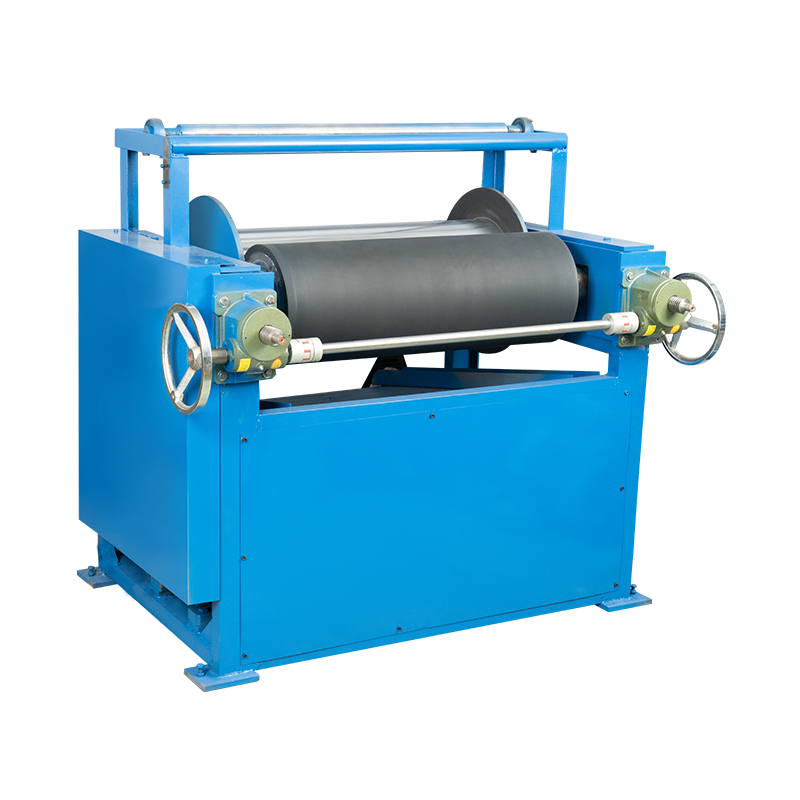
A nonwoven bonding machine is a highly specialized piece of equipment designed to apply adhesive and sand to nonwoven fa...
See Details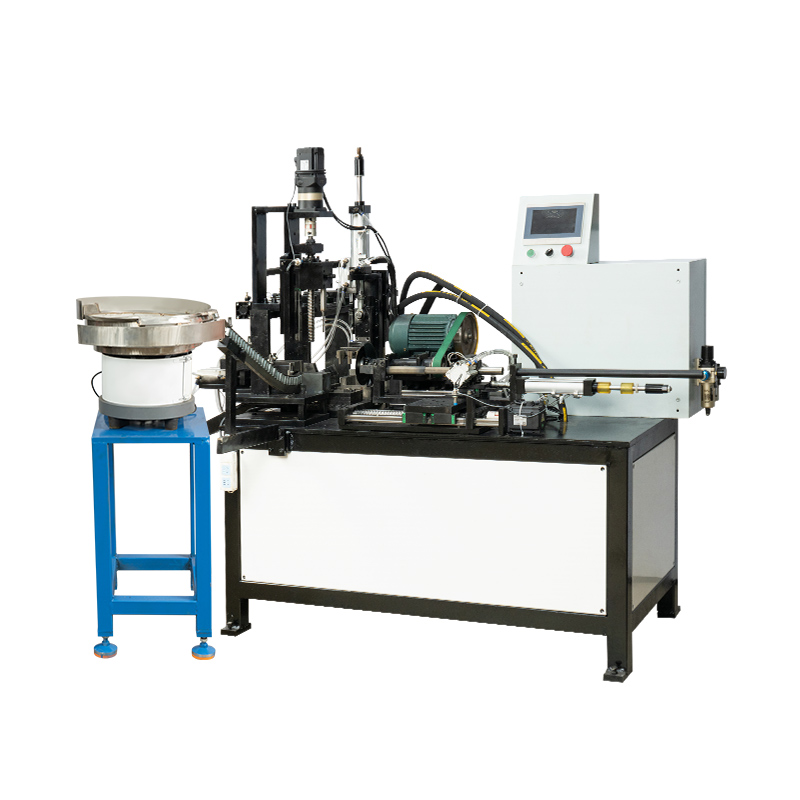
The Full-Automatic Wire Twist Pen Brush Machine represents a significant leap in efficiency and precision for manufactur...
See Details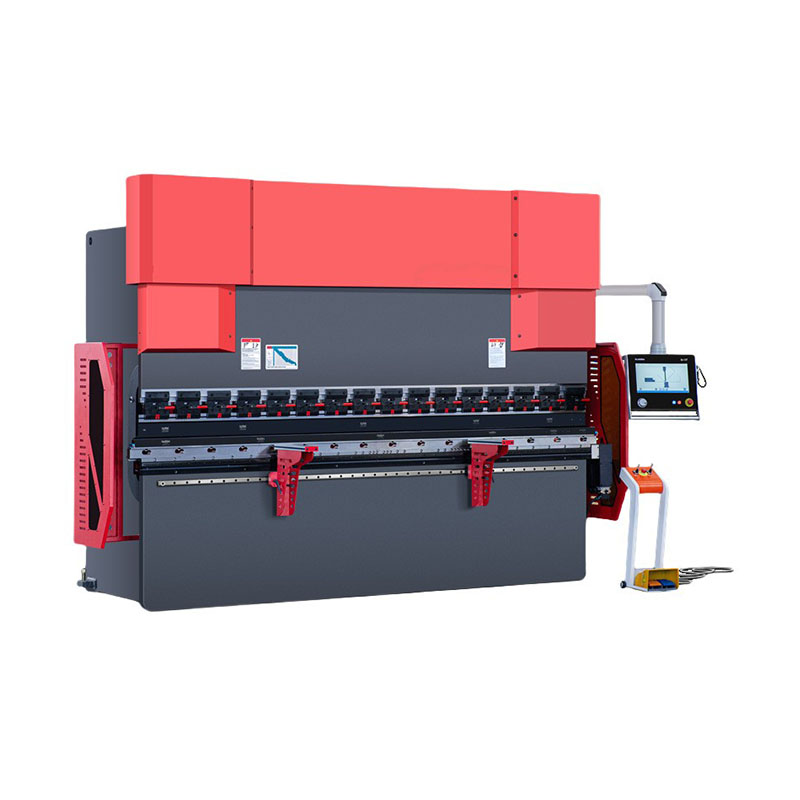
A Precision CNC Bending Machine is a state-of-the-art piece of equipment designed for accurate and efficient metal sheet...
See Details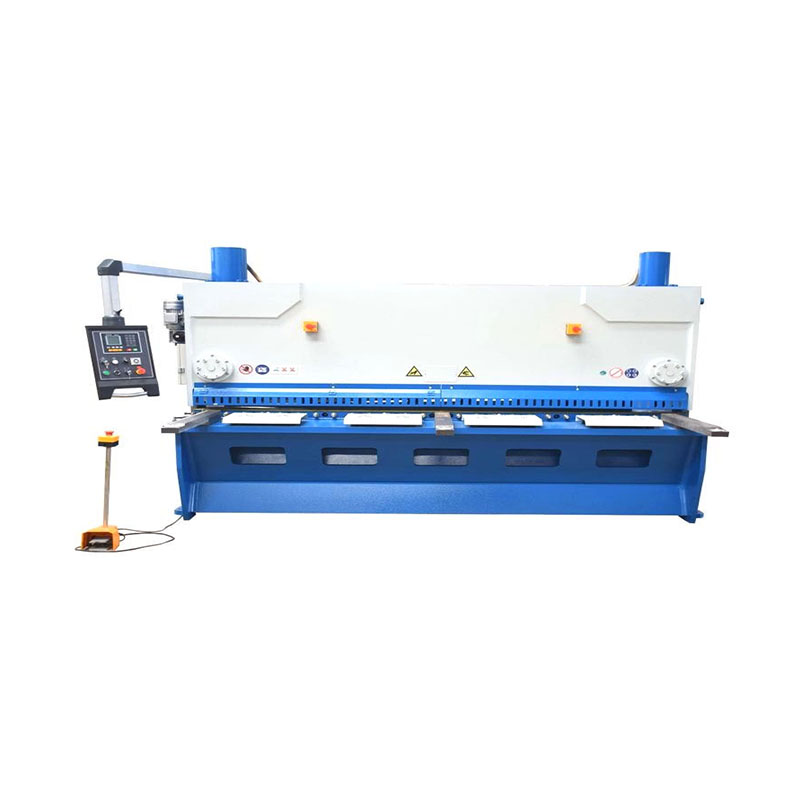
The CNC high precision shearing machine is designed to cut metal sheets, such as steel and aluminum, with high accuracy ...
See Details
We warmly welcome all industrial and trade companies, converters, abrasives and tool agents and distributors to join us, enjoy Tarun's platform, develop their own markets, and share world resources!
 Email:
 Phone:
+86-18867586928
 Address:
Xiaxichi Industrial Zone, Gushan Town, Yongkang City, Jinhua City, Zhejiang Province

Scan the QR code
Copyright © Yongkang Tarun Technology Co., Ltd.

Metal Processing Automatic Machine Factory

+86-18867586928


Contact Us