 English
 中文简体
中文简体 Español

Cat:Wire Wheel Brush
It is primarily used for cleaning, rust removal, polishing, and surface preparation. The bowl-shaped configuration of th...
See Details
In many industrial sites, metal equipment keeps working for long hours and often in mixed conditions. The surface of these machines does not stay unchanged. Dust in the air settles slowly, moisture comes from cleaning or environment changes, and small residue from daily work stays on metal parts longer than expected.
At first, these changes do not look serious. A faint stain or slight rough area is often ignored during busy operation. Over time, the surface condition starts to affect how people read the equipment. Rust can cover marks that normally help with inspection, such as scratches, contact lines, or stress points.
Maintenance workers usually pay attention to areas where movement or exposure is frequent. Some typical spots include:
When rust appears in these areas, inspection becomes slower. The real surface condition is no longer easy to see. In many maintenance routines, a Steel Brush for Rust is used as a simple way to bring the surface back into a readable state.
Rust formation is usually slow and easy to miss in the early stage. It often begins in places where air movement is weak or cleaning is not frequent enough. A thin layer of moisture is often enough to start the process when it stays on bare metal for some time.
Dust and residue can make this condition more stable. Instead of drying quickly, moisture gets trapped under the layer of dirt. This creates a quiet environment where corrosion continues without drawing attention.
Common areas where rust often appears include:
At the beginning, rust may look like a light color change or rough texture. It does not always spread fast at the start, which is why it is often ignored. After some time, the affected area becomes larger and more difficult to clean.
In many maintenance routines, surface checking is included not because something is already broken, but because rust tends to grow quietly if left alone.
When rust is found on equipment, one common method is direct removal from the surface. Mechanical cleaning is often used because it does not hide the condition of the metal. It clears the outer layer so the real surface can be seen again.
This step is often taken before inspection or repair work. Once rust is removed, it becomes easier to understand what is happening underneath. Small damage, wear marks, or weak points can be noticed without obstruction.
Mechanical rust removal is often used in situations like:
| Work Situation | Reason for Cleaning |
|---|---|
| Routine Checking | Make surface easier to read |
| Repair Preparation | Clear space for inspection |
| Surface Cleaning Work | Remove loose corrosion layers |
| Equipment Servicing | Expose connection areas |
| Treatment Preparation | Prepare metal for next step |
A Steel Brush for Rust works through simple contact. Wire bristles touch the surface and break apart loose rust and weakened layers. The motion slowly clears the outer coating of corrosion and brings out the metal underneath.
The process is not instant. It depends on how heavy the rust is and how the brush is applied. Light rust can come off quickly, while thicker layers need more repeated movement over the same area.
In actual use, cleaning usually follows a basic flow:
Flat surfaces usually respond faster. Corners and uneven areas take more effort because rust collects there more tightly.
The main role of the brush is not to change the metal, only to remove what is covering it. After cleaning, the surface becomes clearer and ready for inspection or further treatment.
Not all rust appears in easy places. Many industrial machines have tight structures where hands or larger tools cannot reach properly. These areas often include narrow gaps and hidden corners.
A Small Rotary Wire Brush is used in these cases. Its compact shape allows it to enter small spaces and clean areas that are difficult to access with standard tools.
Typical locations include:
These spots often collect rust quietly because they are not cleaned regularly. A larger tool may touch the surface around them, while the rust inside remains.
A Small Rotary Wire Brush helps focus on these detailed areas. It allows controlled movement and better reach without disturbing nearby parts. In maintenance work, it is often used together with larger brushes, each handling different parts of the same equipment surface.
In real maintenance work, rust never appears in a uniform way. Some parts of equipment show only a light film on the surface, while other areas develop thicker patches that feel uneven when touched. There are also cases where clean metal and corroded sections sit side by side on the same component.
Because of this uneven condition, tool choice usually depends on what is actually found on site. A Steel Brush for Rust is often used when corrosion stays on the outer layer and has not bonded deeply into the metal. In such cases, the rust can be removed gradually without changing the shape of the base material.
When corrosion becomes heavier or spreads into corners, technicians tend to adjust how the brush is used rather than switching immediately to a different method. Pressure, angle, and movement speed are all changed based on surface response.
In practice, matching often follows a simple logic:
This kind of adjustment is common in workshops where equipment has different ages and usage conditions.
Rust removal is often seen as a small task, yet it quietly supports many parts of equipment maintenance. When corrosion stays on metal for a long time, it does not only affect appearance. It can also hide surface details that technicians need to check during inspection.
Regular cleaning helps keep those details visible. Once rust is removed, it becomes easier to notice small changes in texture or structure. That makes inspection more straightforward without extra effort.
Another practical effect appears in moving parts. When rust forms near joints or contact areas, motion can feel less smooth over time. Cleaning those points helps reduce resistance and keeps movement more stable during operation.
Some common results of routine rust removal include:
The process itself is simple, often using tools like a Steel Brush for Rust in regular cycles instead of waiting for heavy corrosion to build up.
Surface preparation is usually the quiet step before more visible maintenance work begins. It does not draw much attention, yet it influences how the next steps behave. When rust and loose material remain on metal, later treatment tends to sit unevenly or lose consistency.
Using a Steel Brush for Rust helps clear the outer layer so the real surface becomes visible again. Once that layer is removed, technicians can judge the condition of the metal more directly without interference from corrosion buildup.
In many maintenance routines, preparation often includes small actions like:
After this stage, repair work or coating application usually feels more controlled. The surface reacts in a more predictable way, which helps reduce uneven results during later steps.
Preparation does not improve the equipment itself, yet it creates a cleaner base for everything that follows.
Maintenance routines in many facilities have become more regular and less reactive. Instead of waiting for corrosion to become obvious, surface checks are often done during normal inspection cycles. This approach helps keep rust from spreading too far before it is addressed.
Tool usage has also shifted slightly. Larger cleaning tools are still used for open surfaces, while smaller ones are now used more often in tight spaces. A Small Rotary Wire Brush is commonly used for corners, joints, and narrow gaps where standard tools cannot reach easily.
At the same time, simple tools like a Steel Brush for Rust remain in daily use because they do not require complex setup and can be applied directly on affected areas.
Some common changes in practice include:
These adjustments are not sudden. They usually come from experience in dealing with repeated equipment conditions over time.
Surface maintenance continues to change because industrial equipment itself is used in different environments and workloads. Some machines stay in steady conditions, while others face moisture, dust, or frequent handling. These differences affect how quickly rust appears and where it tends to form.
Because of that variation, a single cleaning approach is rarely enough. Tools such as the Steel Brush for Rust remain common because they provide a direct way to deal with surface corrosion. At the same time, compact tools like the Small Rotary Wire Brush are used more often for detailed cleaning where access is limited.
Maintenance strategies are slowly moving toward earlier attention rather than delayed action. Light rust is handled sooner, which reduces the chance of deeper corrosion forming later.
Common directions in current practice include:
In daily operation, this approach helps keep equipment surfaces in a more manageable state. The process stays simple, relying on consistent attention rather than complex procedures.
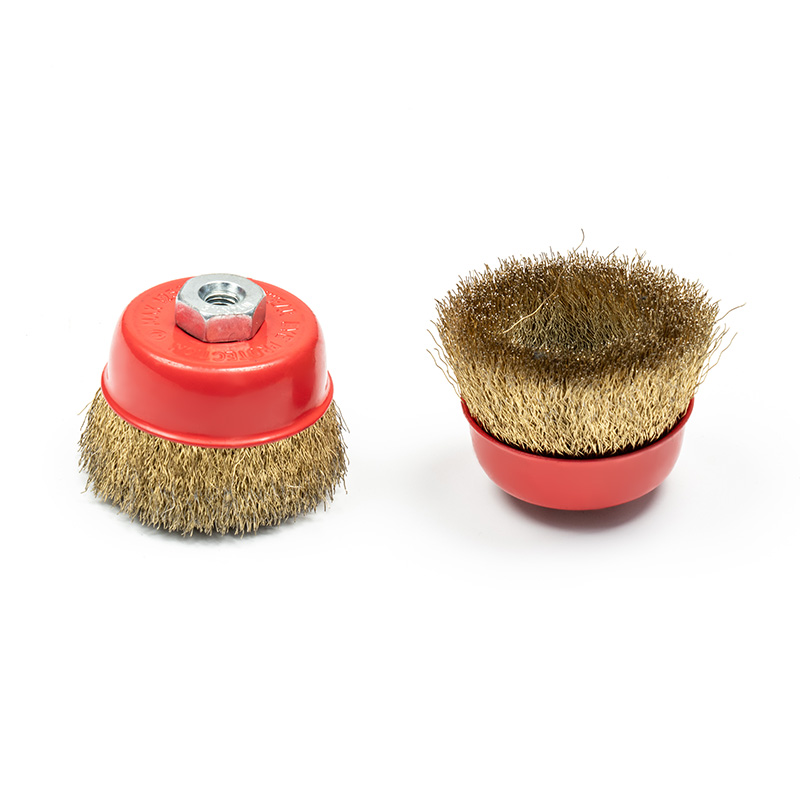
It is primarily used for cleaning, rust removal, polishing, and surface preparation. The bowl-shaped configuration of th...
See Details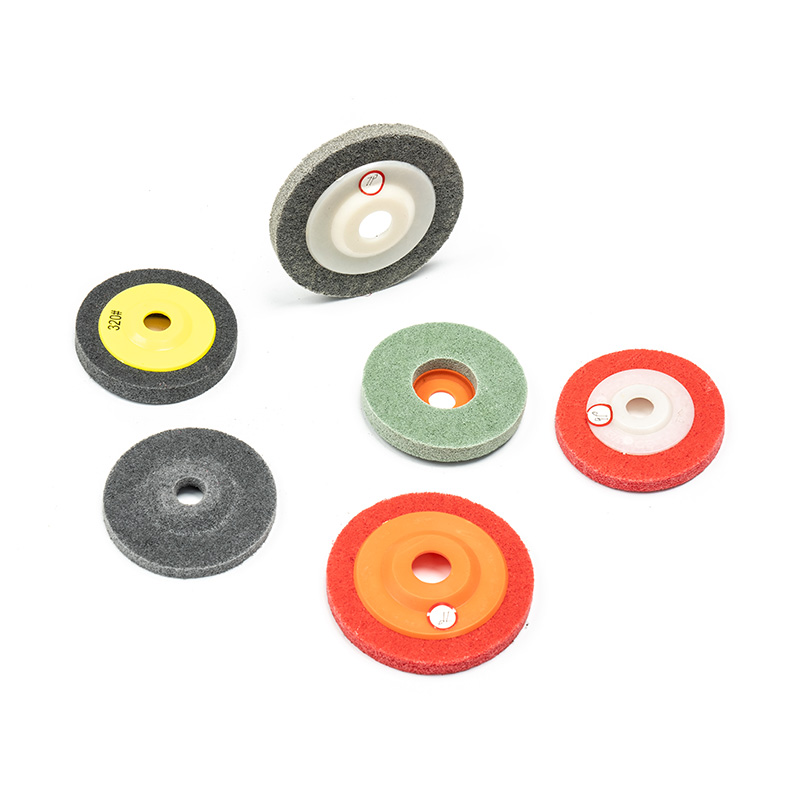
Non-woven fiber wheels are versatile industrial tools designed for surface finishing, especially for polishing, cleaning...
See Details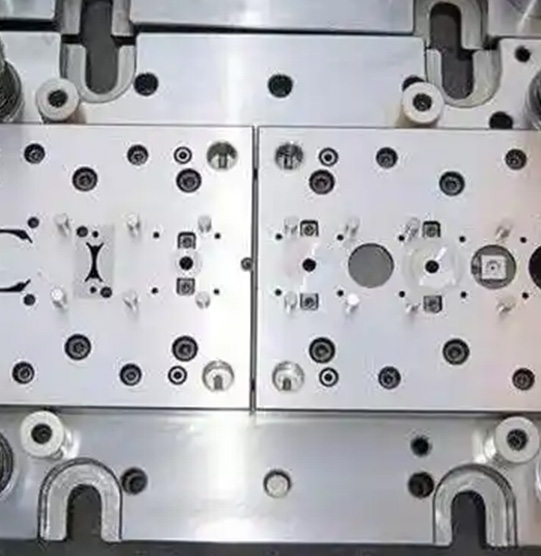
A single-strike die is a specialized tool used in the manufacturing industry for single-impact stamping of metal molds. ...
See Details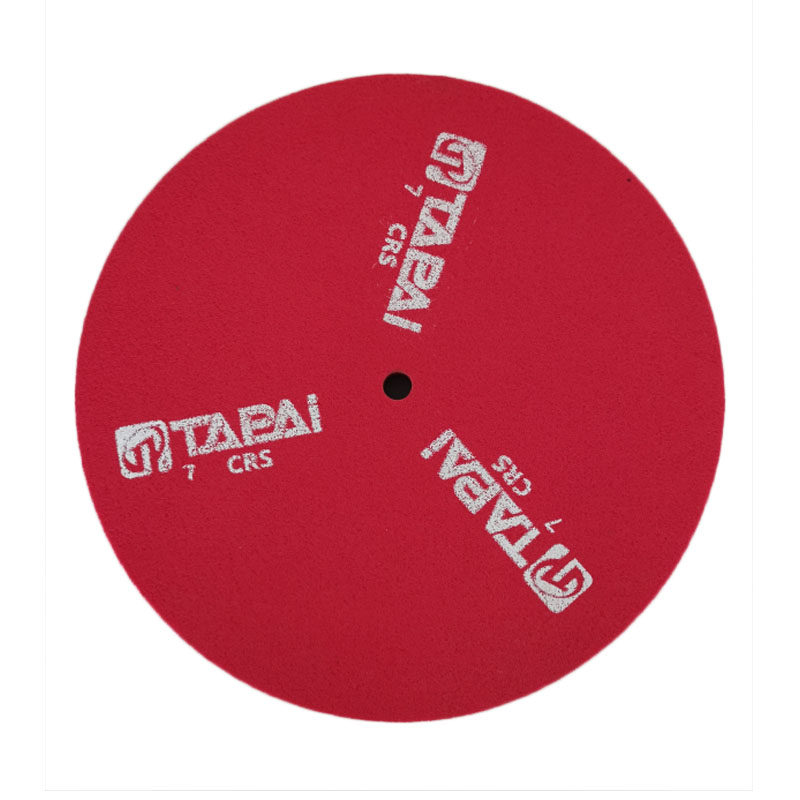
The Abrasion-Resistant Non-Woven Fiber Wheel is an advanced abrasive tool designed for a wide range of metalworking appl...
See Details
We warmly welcome all industrial and trade companies, converters, abrasives and tool agents and distributors to join us, enjoy Tarun's platform, develop their own markets, and share world resources!
 Email:
 Phone:
+86-18867586928
 Address:
Xiaxichi Industrial Zone, Gushan Town, Yongkang City, Jinhua City, Zhejiang Province

Scan the QR code
Copyright © Yongkang Tarun Technology Co., Ltd.

Metal Processing Automatic Machine Factory

+86-18867586928


Contact Us