 English
 中文简体
中文简体 Español

Cat:Wire Wheel Brush
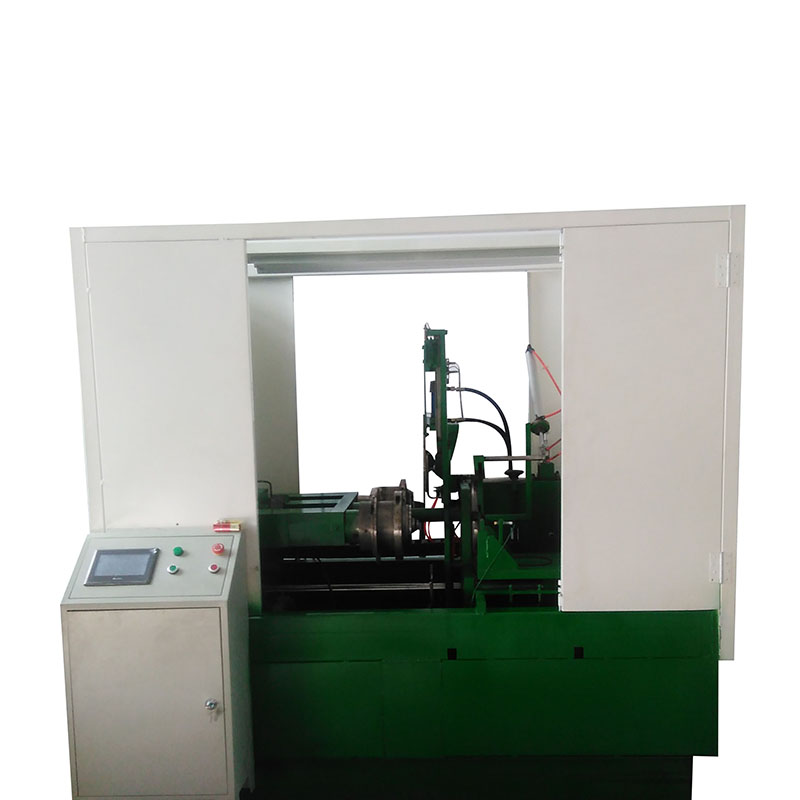
The Twisted Wire Bowl Wire Brush is a powerful and durable cleaning and finishing tool designed for heavy-duty industria...
See Details
An industrial brush is usually designed around a working task rather than an industry name. A factory may need one brush for removing loose material from a moving part and another for guiding products along a production line, even when both brushes are used within the same facility.
Such differences come from the way a brush contacts a surface. A rotating brush works differently from a fixed strip, while a compact block brush can reach an area that would be difficult for a long roller to access. Contact direction, available space, product shape, and the amount of movement all influence the final design.
Automotive production provides a useful example. A brush used to clean a component before another process may need a different structure from one used beside a conveyor. Similar differences appear in food processing, packaging, metalworking, and textile production.
Rather than asking which brush belongs to a certain industry, it is more practical to ask:
Answers to such questions gradually define the brush structure. An Industrial Brush Machine then needs to produce that structure with suitable brush dimensions and filament arrangement.
Brush shape often follows the movement involved in the application. A rotating surface can call for a roller or disc structure, while a narrow opening may be better suited to a strip form. Fixed contact areas can use block‑style designs where a compact brush body is easier to position.
A roller brush is suited to continuous contact because its cylindrical body can move across or alongside products as equipment operates. A strip brush takes another approach, creating a narrow line of contact that can follow an edge, opening, or boundary.
Disc and cup forms provide more localized contact. Installation direction becomes important because the brush may approach a surface from a particular angle rather than moving across a broad area.
Block brushes provide another option when a defined section of brush material needs to remain in a fixed position. Such a structure can be useful around equipment where a roller would occupy unnecessary space.
Product design therefore starts with the working action rather than the machine. Once the required movement becomes clear, brush shape becomes easier to determine.
A brush does not work against an empty surface. Metal, plastic, glass, fabric, and food‑related materials each respond differently to physical contact, so brush design needs to account for the object being handled.
Metal parts can tolerate certain contact conditions during cleaning or surface preparation, while softer materials may require a gentler brush structure. Glass creates another concern because marks or uneven contact can affect the finished surface.
Plastic parts may have molded edges, curves, or delicate areas that change how a brush should approach them. Textile materials contain fibers that can react differently from solid surfaces, making filament flexibility and contact pressure relevant considerations.
Food processing equipment introduces a different set of concerns. Brush construction needs to suit cleaning tasks and the environment around food‑handling equipment, while the brush structure also needs to fit the available installation space.
A simple comparison helps show why one brush design cannot automatically serve every application.
| Contact Material | Common Concern | Brush Design Consideration |
|---|---|---|
| Metal | Residue or surface treatment | Contact strength and filament choice |
| Plastic | Surface marking | Softer contact and controlled movement |
| Glass | Surface appearance | Even contact and suitable filament |
| Textile | Fiber interaction | Flexible brush structure |
| Food Related Surfaces | Cleaning conditions | Material suitability and easy handling |
Material selection should follow the actual task. A brush intended for moving metal parts may require a different filament arrangement from one designed to handle soft packaging or delicate surfaces.
Roller brushes can look similar from the outside while serving very different purposes. One may clean a moving surface, another may guide material, and another may remove loose particles during continuous production.
Length and diameter affect how much surface a roller can reach. Filament placement changes the way contact is distributed around the rotating body. Installation also determines how the brush approaches the material passing through the equipment.
For cleaning applications, contact coverage may be a key concern. For product handling, gentle contact and controlled movement may matter more. A roller used for surface treatment may require another arrangement because the brush needs to interact with the workpiece in a specific way.
An Industrial Brush Machine used for roller brush production therefore needs to accommodate changes in brush body size and filament arrangement. Product switching is not simply a matter of producing a different length. The structure needs to match the intended working action.
A similar principle applies to a Brush Manufacturing Machine. Production settings should follow the finished brush design rather than forcing different products into one fixed configuration.
Strip brushes solve a different kind of problem: limited installation space. Long, narrow equipment openings often leave little room for a circular brush, while a strip can follow an edge without occupying much surrounding space.
Such brushes can appear around doors, conveyors, equipment openings, and material paths. Depending on their design, they may help limit dust movement, guide materials, create a soft barrier, or provide light contact along an edge.
Several details influence how well a strip fits its intended location:
A longer filament can reach farther into a gap, while a shorter arrangement may provide more controlled contact. Mounting position also changes how the brush bends when an object passes by.
For production, Brush Manufacturing Machine settings need to accommodate variations in strip dimensions and filament placement. A strip designed for a narrow equipment edge does not necessarily use the same arrangement as one intended to guide a larger moving product.
Consequently, the manufacturing process follows the physical problem being solved. Brush shape, filament arrangement, and mounting method work together rather than functioning as separate choices.
Industrial brush selection becomes clearer when the production task is considered before the industry name. A packaging line, for example, may need a brush for guiding cartons, while another section of the same line may require a brush for removing loose material. Both belong to one production environment, yet their working conditions are different.
| Manufacturing Task | Possible Brush Structure | Main Design Concern |
|---|---|---|
| Continuous Surface Cleaning | Roller Brush | Contact coverage |
| Narrow Space Sealing | Strip Brush | Installation space |
| Local Surface Treatment | Disc Brush | Working direction |
| Edge Cleaning | Strip or Block Brush | Brush reach |
| Part Handling | Roller or Block Brush | Contact pressure |
| Equipment Cleaning | Block or Roller Brush | Surface compatibility |
Automotive component production may use roller brushes for continuous cleaning and compact brushes around smaller parts. Food processing equipment can use brushes around conveying and cleaning areas, where contact conditions and material suitability need careful consideration.
Metalworking brings another set of requirements because workpieces may carry chips, dust, or other residue. Packaging equipment may place greater attention on gentle product movement, especially when brushes contact printed or finished surfaces.
Electronic manufacturing can require controlled contact around smaller components, while textile equipment may use flexible brush arrangements that interact with fibers without disturbing their structure.
Rather than assigning one brush style to each industry, manufacturers can match the brush to the actual task taking place within a production line.
Filaments form the working surface of an industrial brush, so their characteristics influence how a finished product behaves during operation. Brush shape alone cannot describe how a brush will perform.
A softer filament can provide gentler contact with surfaces that may be marked or disturbed by stronger contact. A stiffer filament can be considered where residue removal or firmer contact is needed. Material choice also relates to the surrounding environment, especially where heat, moisture, cleaning substances, or repeated movement are involved.
Length changes the way filaments bend during contact. Shorter filaments generally remain closer to the brush body, while longer ones can flex across a wider area. Arrangement also matters because concentrated rows and wider spacing create different contact patterns.
For an Industrial Brush Machine, filament production therefore involves more than inserting material into a brush body. Position, length, density, and distribution all contribute to the finished structure.
A Brush Manufacturing Machine may need different settings when producing brushes for unrelated applications. A roller designed for surface cleaning cannot simply use the same filament arrangement as a brush intended for guiding products.
A manufacturing machine has to reproduce the physical structure required by the finished brush. Product design gives production a target, while machine adjustment determines how consistently that structure is formed.
Several areas deserve attention during production:
Filament Position
Brush material needs to enter the intended locations on the brush body. Irregular placement can change the contact pattern.
Filament Length
Length influences flexibility and working reach, so it needs to match the application.
Brush Arrangement
Rows, spacing, and distribution affect how the brush contacts a surface.
Brush Body Movement
Roller, disc, strip, and block structures require different production movements because their shapes are not the same.
Product Changeover
When a production line changes from one brush design to another, settings may need to change along with the product dimensions and filament arrangement.
Such controls explain why one machine can support different industrial brush products without making every product identical. Production flexibility comes from adjustable working conditions rather than from treating every brush as the same item.
Choosing a machine before defining the brush can create unnecessary limitations. A machine may be suitable for one brush structure while being less suitable for another, even when both products look similar.
Product planning can begin with a simple sequence:
Application → Contact Surface → Movement → Brush Shape → Filament Choice → Mounting → Production Method
Suppose a brush needs to clean a continuously moving surface. A rotating structure may be appropriate, leading toward a roller design. When a brush needs to follow a narrow opening, a strip structure may make more sense. A small working area may call for a disc or compact block arrangement.
Mounting also needs attention. A brush installed inside machinery has different spatial requirements from one mounted along an external conveyor edge. Available clearance can affect brush dimensions just as much as the cleaning task itself.
Once the finished structure is defined, selecting an Industrial Brush Machine becomes a more practical process. Production capability can then be compared with actual product requirements instead of relying only on a machine category or general description.
Different brush products can come from related manufacturing equipment when the production structure allows suitable adjustments. A machine may produce several brush forms or variations by changing production settings, tooling arrangements, brush dimensions, and filament placement.
Such flexibility does not mean every brush can be produced in exactly the same way. A roller brush, strip brush, and block brush have different physical structures, so production requirements naturally change.
For manufacturers handling several product types, useful questions include:
A practical machine choice should reflect the range of brushes actually needed. Producing one type of brush repeatedly and producing several unrelated structures are different production situations.
A clear product requirement gives the production process a useful starting point. Industry alone does not provide enough information because one factory can contain many different brush applications.
Before production begins, manufacturers can define:
Following such a sequence connects the finished product with the manufacturing process in a direct way.
An Industrial Brush Machine can support different industries because industrial brush products are shaped around practical working requirements. Automotive, food processing, metalworking, packaging, electronics, and textile production may use very different brushes even when the underlying production equipment belongs to the same general category.
For a Brush Manufacturing Machine, adaptability comes from matching machine settings with brush design. Once contact conditions, movement, shape, filament arrangement, and mounting needs are clear, the path from application requirement to finished brush becomes easier to define.
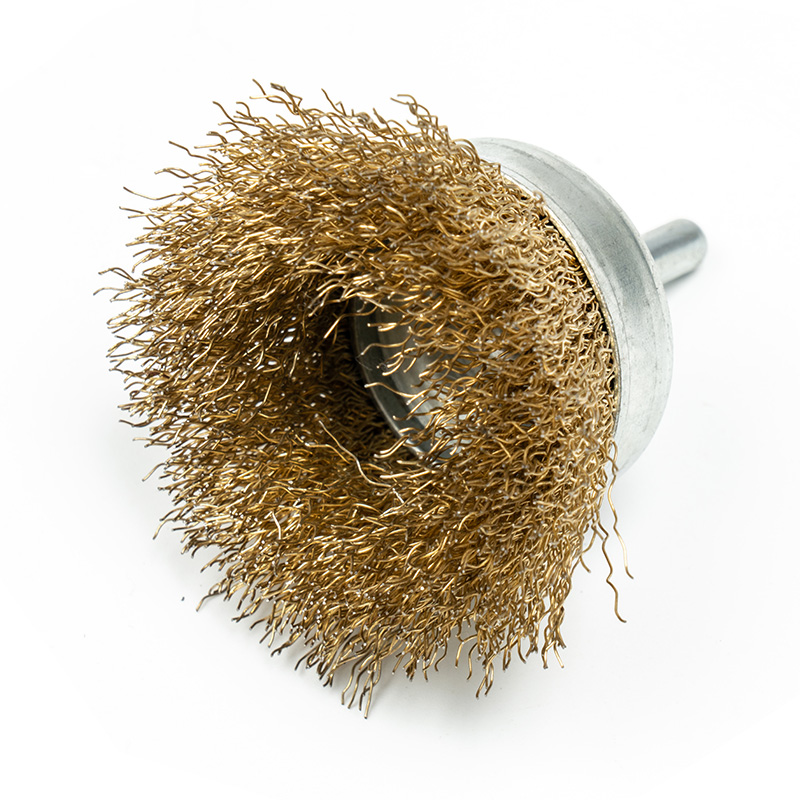
The Twisted Wire Bowl Wire Brush is a powerful and durable cleaning and finishing tool designed for heavy-duty industria...
See Details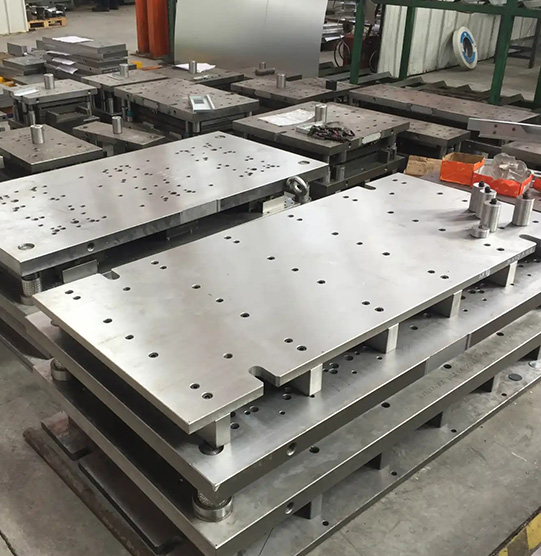
A progressive stamping die is a highly specialized tool used in the stamping industry to produce large quantities of par...
See Details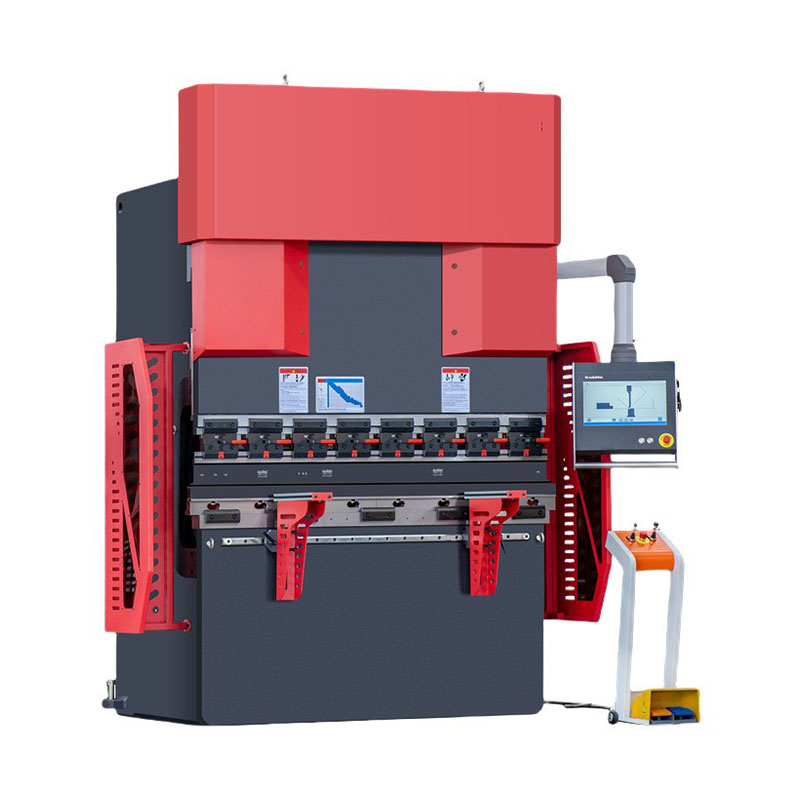
A CNC shearing machine is a precision tool designed for cutting sheet metal with high accuracy and efficiency. It is com...
See Details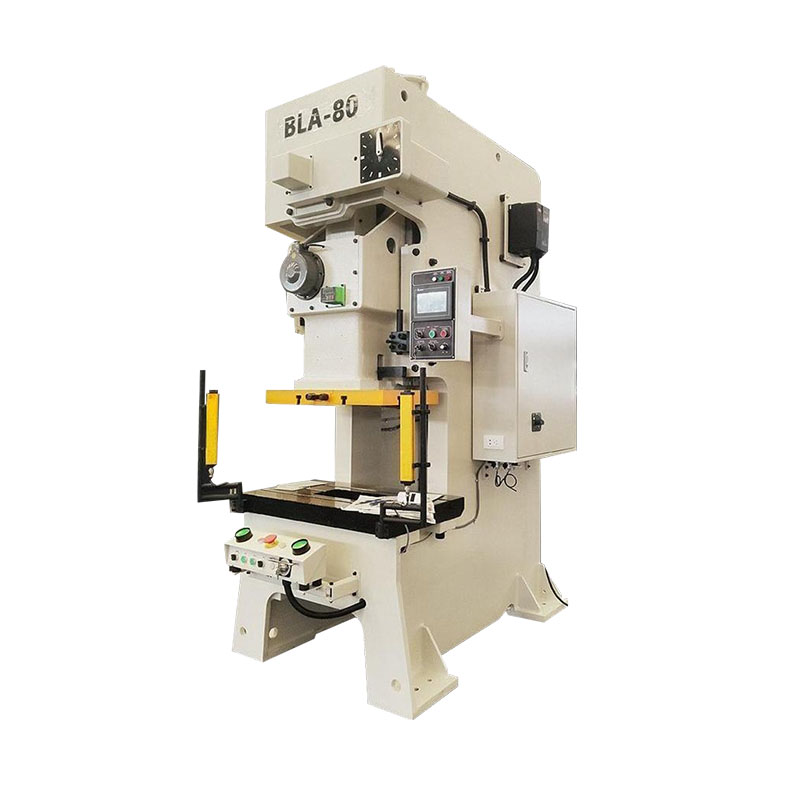
The Precision High-Speed Pneumatic Punch Press is designed to deliver reliable performance for a wide range of industria...
See Details
We warmly welcome all industrial and trade companies, converters, abrasives and tool agents and distributors to join us, enjoy Tarun's platform, develop their own markets, and share world resources!
 Email:
 Phone:
+86-18867586928
 Address:
Xiaxichi Industrial Zone, Gushan Town, Yongkang City, Jinhua City, Zhejiang Province

Scan the QR code
Copyright © Yongkang Tarun Technology Co., Ltd.

Metal Processing Automatic Machine Factory

+86-18867586928


Contact Us