 English
 中文简体
中文简体 Español

Cat:Brush Making Machine
The Metal Material Twisting Wire Machine is a specialized industrial tool designed to twist and shape metal wires into v...
See Details
Small metal parts can be surprisingly difficult to process. A part may contain a narrow edge, several small openings, a thin connecting section, or several features that need to stay in the correct position. During punching, even a small change in material position can alter the final shape.
For detailed production, machine accuracy should not be viewed simply as a matter of producing smaller parts. What matters more is whether the press can keep the material and tooling in a stable relationship throughout repeated working cycles.
Consider a sheet with several openings placed close together. During one operation, material movement can affect the position of later openings. A slight shift may leave one hole correctly positioned while another moves away from its intended location. Similar problems can appear around narrow edges, where a small amount of unwanted material movement may change the finished shape.
Material condition also deserves attention. Thickness, hardness, flatness, and surface condition can all influence punching behavior. A setup that works smoothly with one type of sheet may require adjustment when the material changes.
Before selecting equipment, a practical review can start with several questions:
Such questions help connect machine selection with actual production work rather than judging equipment by a single specification.
Complex parts usually require more careful coordination between material feeding, tooling, and press movement. A punching operation does not happen in isolation. Material enters the working area, reaches a defined position, meets the tooling, and then leaves for the next operation.
A Precision Punch Press can be useful for detailed work when controlled movement is required throughout that sequence. Stable movement helps keep the tooling in the intended position while the material remains properly supported.
Take a part containing a narrow slot near its outer edge. Too much movement during processing can affect the slot position or leave an uneven edge. A similar concern appears when several openings are arranged close together. Material support and tool alignment become increasingly important as available space becomes smaller.
Tooling condition also changes the result. A cutting edge that has become worn may require greater force and can leave a different edge condition on the workpiece. Repeated use without suitable inspection may gradually change the appearance or dimensions of finished parts.
For detailed operations, operators can pay attention to:
A useful production habit is to investigate changes as soon as they appear. Waiting until a large number of parts show the same problem can make the source harder to identify because material, tooling, and machine conditions may all have changed during the interval.
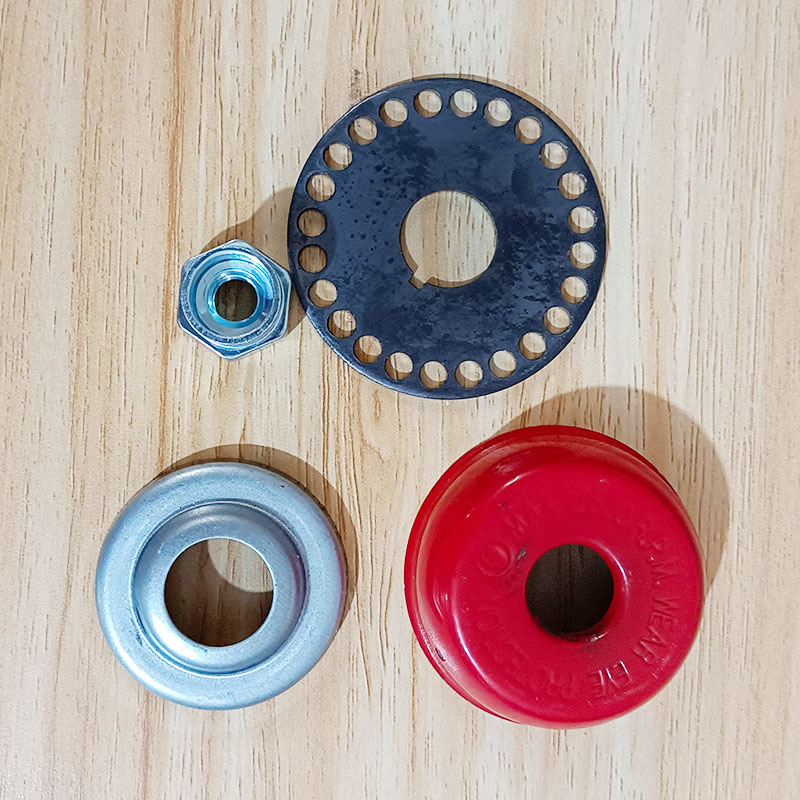
A press frame has to withstand repeated working forces while keeping important components in their intended positions. Structural movement may not be obvious during normal operation, yet detailed parts can reveal its effects through changes in holes, edges, or formed sections.
Guide structures have a similar role. Moving components need to follow a controlled path so that the tooling approaches the workpiece from the intended direction. Poor alignment can cause uneven contact, accelerated tool wear, or changes in the finished part.
Vibration deserves attention as well. Not every vibration indicates a serious structural problem, although a new vibration, unusual noise, or visible movement can be a useful warning sign. Operators familiar with normal machine behavior may notice such changes before dimensional inspection shows a clear problem.
Routine checks can focus on simple observations:
A stable structure supports detailed processing because accurate tooling alignment depends on more than the cutting tool itself.
Tooling and material need to be considered as a pair. A tool suitable for one material may behave differently when used with another material having different hardness or thickness.
During punching, material is separated or formed under pressure. Tool geometry, working clearance, and material condition influence how that process takes place. Poorly matched conditions may produce rough edges, unwanted deformation, or premature tool wear.
Material flatness can also matter. A sheet that does not sit properly against its support may move during the operation. For parts with narrow features, such movement can become visible in the finished component.
Tool inspection does not need to focus only on obvious breakage. Small changes in working surfaces can provide useful clues. Uneven wear, damaged edges, accumulated material, or changes in the shape of punched openings may suggest that inspection or adjustment is needed.
| Item to Check | Practical Question | Possible Effect on Detailed Parts |
|---|---|---|
| Material Thickness | Is the actual material consistent? | Changes in Cutting and Forming |
| Material Flatness | Does the Sheet Sit Properly? | Position Changes |
| Tool Condition | Are Working Edges Clean and Intact? | Edge Quality and Tool Wear |
| Tool Alignment | Does the Tool Meet the Material Correctly? | Hole or Feature Position |
| Feeding | Does Material Stop in the Intended Position? | Feature Spacing |
| Clearance | Does the Setup Suit the Material? | Cutting and Edge Condition |
Operators can also compare samples from different stages of production. When a part changes gradually rather than suddenly, tool wear may deserve attention. A sudden change may point toward material movement, machine adjustment, or an installation issue.
Such observations turn quality control into a practical troubleshooting process rather than a simple pass‑or‑fail inspection.
Stroke controls how far the pressing mechanism travels during a working cycle. Detailed punching requires enough movement to complete the intended operation without creating unnecessary travel.
A small opening may need a different movement arrangement from a deeper forming operation. Using an unsuitable stroke can place extra load on tooling or create unnecessary movement within the machine.
Operating speed also deserves consideration. Faster movement does not automatically produce a better result. Material behavior, tool condition, and the type of operation all influence what happens during contact.
When a finished part begins showing a change, stroke should therefore be considered alongside tooling and material rather than treated as an isolated setting.
A useful inspection sequence is to check:
Such a sequence can help narrow down the source of a production change without immediately assuming that the machine itself is at fault.
Stable production depends on more than pressing force. Material feeding, tool position, machine movement, and working conditions all have to remain reasonably consistent from one cycle to another. Detailed components tend to show small process changes earlier because narrow edges and closely positioned features leave less room for unwanted movement.
A High Precision Press can support such work through controlled movement and consistent positioning. Equipment alone, however, does not remove the need for proper setup. A well‑adjusted machine can still produce uneven parts when material enters at an incorrect position or when tooling has developed wear.
Material feeding deserves particular attention. A sheet or strip needs to reach the intended working position before punching begins. Poor feeding may cause holes to shift, spacing to change, or one section of a part to become narrower than expected.
A simple production check can include:
Production stability also depends on the condition of supporting components. Loose connections, worn guides, or material buildup can gradually influence movement. Cleaning and inspection are therefore part of process control rather than tasks reserved for a machine breakdown.
For repeated detailed work, consistency is often easier to maintain when operators use the same basic inspection routine. A sudden change in part condition can then be compared with earlier observations, making troubleshooting less dependent on guesswork.
Equipment selection should begin with the part rather than the machine name. A press suitable for one type of work may not be appropriate for another, even when both jobs involve sheet metal.
Part geometry gives useful information. Small holes, narrow slots, close feature spacing, and formed sections can require different tooling arrangements. Material characteristics matter in a similar way because harder or thicker material can place different demands on the working system.
Installation conditions should also be considered. Available floor space, material feeding direction, tooling access, and maintenance space can influence whether a particular machine fits comfortably into an existing production area.
| Selection Area | Questions to Consider |
|---|---|
| Part Geometry | Are There Small Holes, Narrow Edges, or Close Features? |
| Material | What Type and Thickness Will Be Processed? |
| Tooling | What Operations Will Be Required? |
| Feeding | How Will Material Reach the Working Area? |
| Operation | How Often Will Production Run? |
| Installation | Is Enough Space Available for Operation and Maintenance? |
| Inspection | How Will Part Condition Be Checked? |
| Maintenance | Can Tooling and Moving Parts Be Accessed Easily? |
Production frequency deserves attention because equipment that works well for occasional processing may require a different setup for repeated production. Frequent operation can increase the importance of inspection, lubrication, cleaning, and tooling maintenance.
Another useful point concerns future changes. A production line may later handle a different material or part shape. Allowing some flexibility during equipment selection can reduce the need for major changes when production requirements shift.
Detailed metal processing continues to place attention on stability rather than force alone. As part designs become smaller or contain more closely positioned features, machine movement, tooling condition, feeding accuracy, and material behavior become closely connected.
A Precision Punch Press fits into that production approach by providing controlled movement for operations where positioning matters. Its usefulness depends on proper tooling, suitable material selection, accurate setup, and regular inspection.
Material handling can have a surprisingly large effect on finished parts. A clean and flat sheet is easier to position consistently than material with bends, surface contamination, or irregular edges. Storage and handling therefore form part of the production process, even though they occur away from the press.
Tooling maintenance has a similar connection. Gradual wear may not cause an immediate production failure. Instead, edges can become less consistent, openings may change slightly, or more material residue may appear around working areas. Regular observation helps identify such changes at an earlier stage.
Practical production control can focus on a few habits:
A suitable press is only one part of a detailed punching process. Machine structure, tooling, material, feeding, stroke, and maintenance all influence the finished component. When each part of the process is considered together, detailed punching becomes easier to control and production changes become easier to trace.
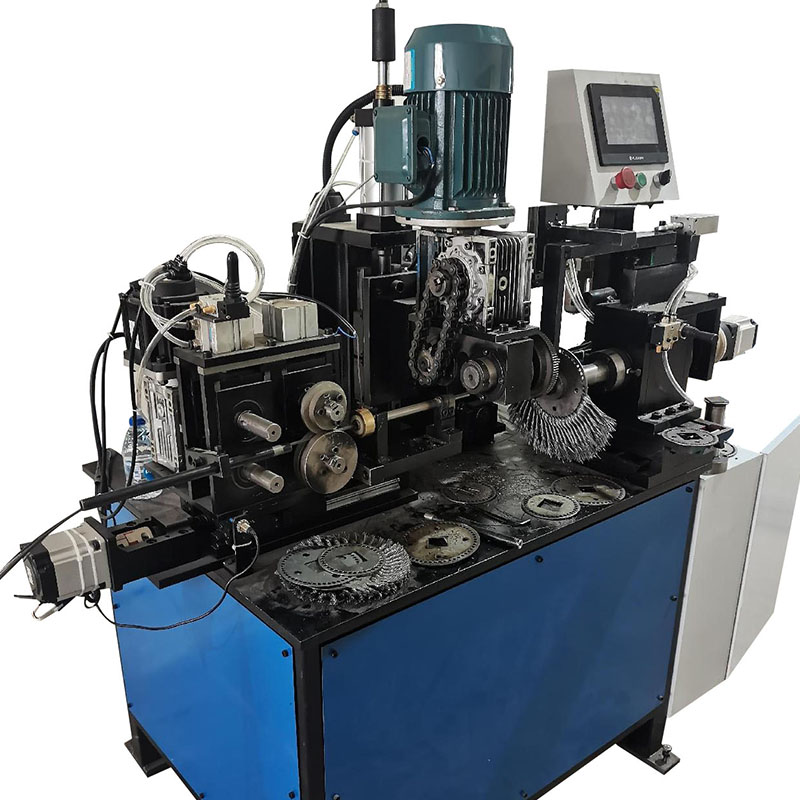
The Metal Material Twisting Wire Machine is a specialized industrial tool designed to twist and shape metal wires into v...
See Details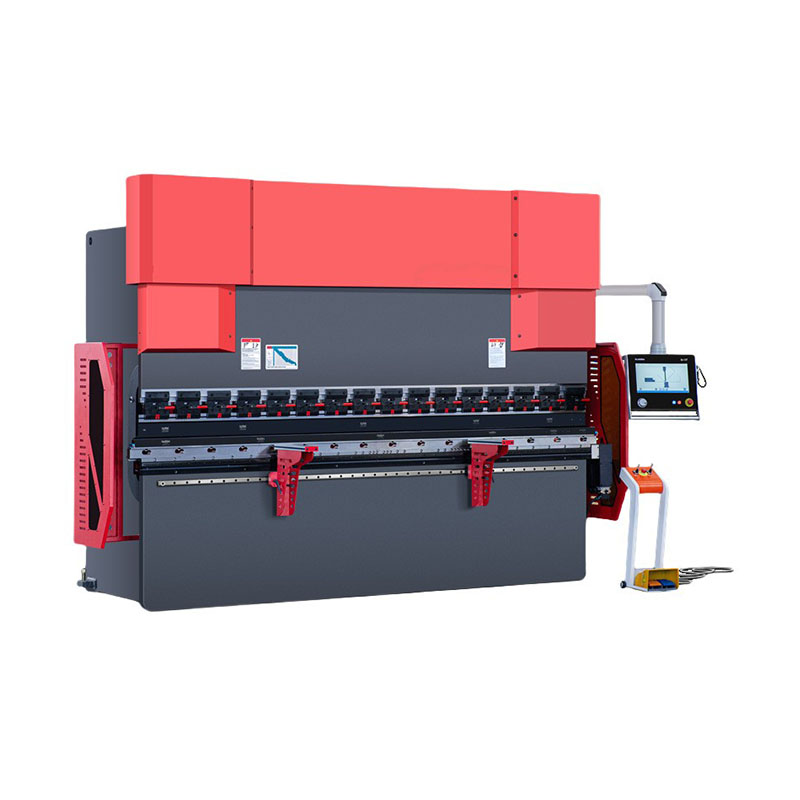
A Precision CNC Bending Machine is a state-of-the-art piece of equipment designed for accurate and efficient metal sheet...
See Details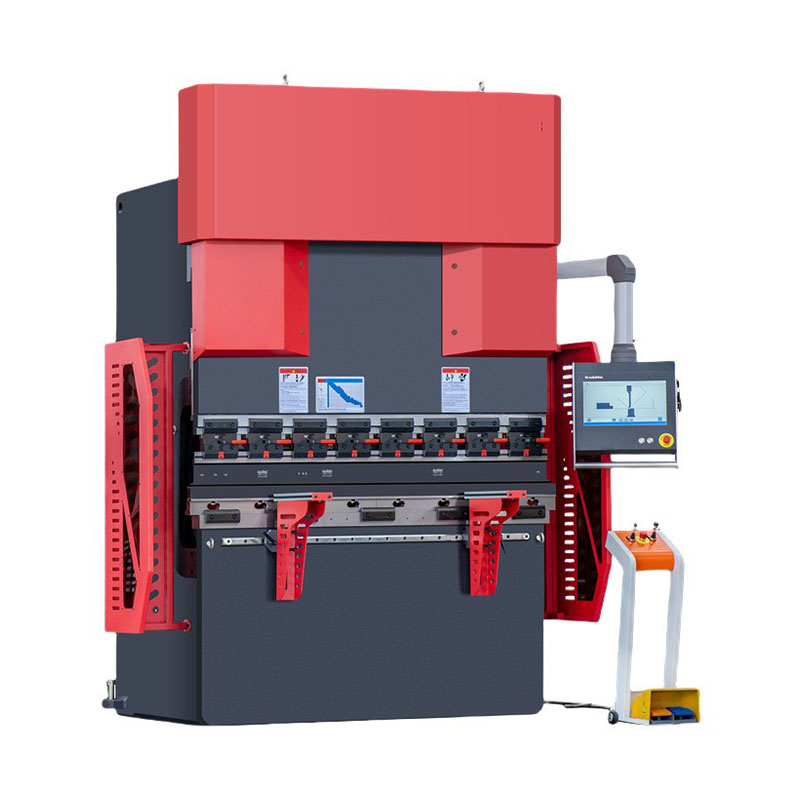
A CNC shearing machine is a precision tool designed for cutting sheet metal with high accuracy and efficiency. It is com...
See Details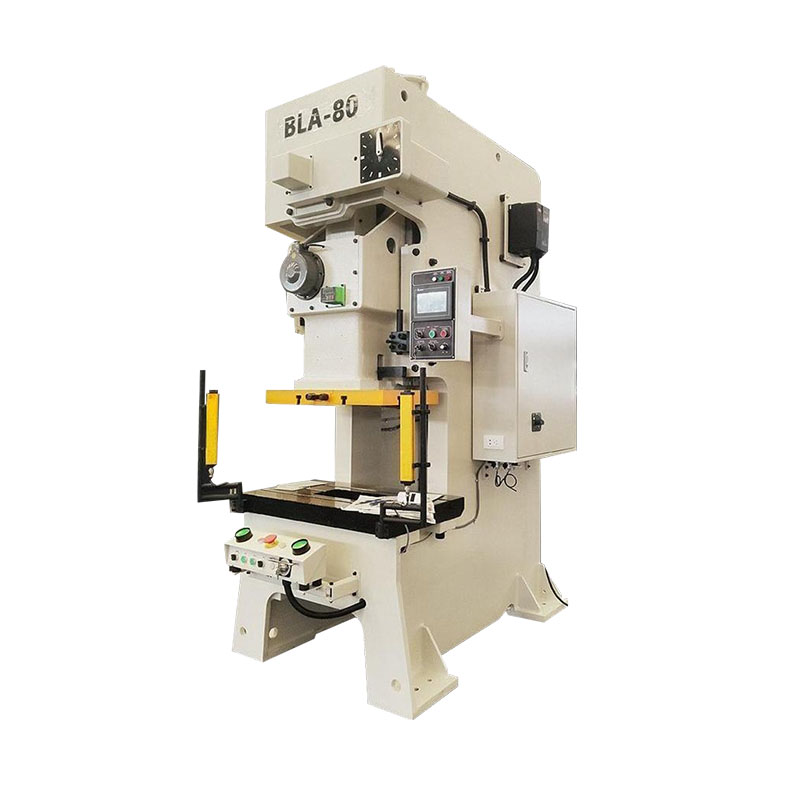
The Precision High-Speed Pneumatic Punch Press is designed to deliver reliable performance for a wide range of industria...
See Details
We warmly welcome all industrial and trade companies, converters, abrasives and tool agents and distributors to join us, enjoy Tarun's platform, develop their own markets, and share world resources!
 Email:
 Phone:
+86-18867586928
 Address:
Xiaxichi Industrial Zone, Gushan Town, Yongkang City, Jinhua City, Zhejiang Province

Scan the QR code
Copyright © Yongkang Tarun Technology Co., Ltd.

Metal Processing Automatic Machine Factory

+86-18867586928


Contact Us