 English
 中文简体
中文简体 Español

Cat:Wire Wheel Brush
The Twisted Wire Bowl Wire Brush is a powerful and durable cleaning and finishing tool designed for heavy-duty industria...
See Details
Metal forming often starts with simple material, though the shaping process behind a finished part usually takes several steps. A sheet of metal may need holes, bends, cuts, or profile changes before it can be used in a larger assembly. Because different products ask for different shapes, equipment choice becomes part of the production plan rather than a side decision.
A Punch Press Supplier usually works around those production needs. One factory may need a machine for small structural parts, while another may use the same type of equipment for repeated forming in a steady workshop line. Material type, part shape, tooling arrangement, and the way products move through the workshop all affect the final choice.
In actual manufacturing, the press is rarely treated as a single isolated machine. It needs to fit the tooling, the material flow, and the way operators handle the production route. When one of those parts does not match, the whole process can become harder to manage.
Several points usually come up during equipment planning.
Production teams often look at the complete route from raw sheet to finished component. A machine that suits one part may not suit another, even when both belong to the same production line. That is why punch press selection usually follows the workpiece rather than the other way around.
A punch press shapes metal through controlled force. Material enters the working area, tooling comes down with pressure, and the metal changes shape according to the prepared design. The idea sounds simple, though the process depends on how well machine movement, tooling, and material position stay in line with each other.
Different operations may happen on one machine when the tooling arrangement changes. A press can punch holes, cut blanks, bend edges, or form simple profiles, depending on what part is being produced.
Common operations include:
Tooling plays a major role in the final result. The press provides the force, while the tooling decides how that force turns into a finished shape. A well-matched setup helps the machine repeat the same action from one cycle to the next without much extra adjustment.
Material placement also matters more than it may seem at first glance. A sheet that sits slightly off position can affect alignment, edge quality, or the way the part comes out of the machine. Stable positioning helps the process stay smooth.
Punch press work is usually one stage inside a wider production path. After forming, parts may move on to inspection, trimming, assembly, or surface treatment. Because every stage connects with the next, the press has to fit the full process rather than stand alone.
No two metal forming jobs are exactly alike. Some parts need only one simple action, while others pass through several forming steps before the shape is ready for assembly. A machine selected for one job may not work well for another if the structure or process does not match.
Material thickness is one of the clearest differences. Thin sheets respond differently from heavier sheets, and that changes how pressure needs to be applied. Shape matters as well. A flat part with few changes may be easier to process than a component with several bends or complex edges.
Production flow also changes the choice. Some workshops handle short runs with changing part types. Others keep a steady routine with repeated production. Each setup places different demands on the machine.
When manufacturers review equipment, they often think through practical points.
Workshop layout plays a role too. Material storage, operator access, and movement between stations all affect how the machine fits into daily work. A press that suits the part on paper may still need adjustment when placed inside the real production area.
A Precision Punch Press becomes useful when forming needs to stay steady through repeated work cycles. Stable movement, accurate positioning, and proper tooling contact all help reduce variation between finished parts.
Consistency matters because many stamped parts need to fit together later in assembly. Small changes in hole position, bend angle, or edge shape may create trouble farther down the production line. When the machine stays stable, later steps usually become easier to manage.
Frame structure also influences the result. A strong frame helps the press keep its movement in line with the planned forming path. Tool alignment and feeding accuracy matter in the same way, since every small shift can affect the final part.
| Equipment Feature | Practical Benefit |
|---|---|
| Stable Movement | Keeps forming cycle steady |
| Tool Alignment | Supports accurate part fit |
| Frame Structure | Helps maintain operation |
| Feeding Accuracy | Improves production flow |
Even with precise equipment, other parts of the process still matter. Tool condition, material preparation, and operator handling all influence final consistency. The machine gives the process its shape, while the surrounding production setup decides how well that shape holds up in daily work.
Equipment selection usually starts with what needs to be made. A workshop producing small brackets does not need the same arrangement as a line making larger formed parts. Because of that, machine choice often follows the product rather than a fixed equipment list.
A Punch Press Supplier is often asked to look at part drawings, material type, tooling needs, and production rhythm before discussing equipment. That kind of discussion helps both sides understand whether a machine will fit the real work rather than only the planned idea.
Clear communication matters early in the process. A part drawing may show shape and size, while a sample part may reveal practical details that drawings do not show as clearly. Small changes discussed at the beginning often save time later when equipment reaches the workshop.
Buyers usually look at several practical points.
Future production also deserves attention. A factory may begin with one part type and later move into another. Equipment that allows adjustment or reconfiguration can fit that kind of change more naturally than a setup made for only one task.
Supplier choice is usually less about presentation and more about whether communication stays clear when production questions appear. That makes the early discussion part of the manufacturing process itself.
Workshop conditions affect how a machine works in daily use. Even when two factories handle similar products, the way equipment fits into each space can be different.
Floor space is one of the first things to review. A punch press needs room for material feeding, part removal, and operator access. When the space feels crowded, routine work can become harder even if the machine itself is suitable.
Material movement is another point. Metal sheets may need to move from storage to the press and then on to the next step without unnecessary stopping. A layout that supports that flow usually makes production smoother.
Operator access also matters during daily work. Tool changes, inspection, cleaning, and adjustment all need enough room around the machine. Tight areas may slow those tasks and create extra handling work.
Other practical conditions often include:
Workshop arrangement changes over time as production changes. Equipment that fits the layout while leaving room for routine work usually becomes easier to manage over the long term.
A punch press cannot work alone. Tooling shapes the material, while the machine supplies the movement and force that make the forming cycle possible. When those two parts do not fit well together, the finished part may show differences in shape or alignment.
Tool installation affects how force reaches the sheet material. A tool that sits properly in the machine helps maintain a stable contact point during each cycle.
Material type also affects tooling behavior. A thinner sheet and a heavier sheet may need different arrangements, even when the same machine is used. Matching tooling to the job often matters more than using one setup for every part.
Routine inspection helps keep the process steady. Wear tends to appear gradually, so small changes on tooling surfaces may be easier to catch during regular checks than after finished parts start showing problems.
Common inspection points include:
Replacing tooling at the right time usually helps avoid a longer interruption later. Production often runs more smoothly when tooling care becomes part of the usual work routine rather than something handled only after a fault appears.
A Precision Punch Press becomes more useful in that setting because stable movement and accurate alignment support repeated forming with less variation between cycles. The machine, tooling, and material all need to work together for the result to stay consistent.
Product design keeps changing, and forming equipment follows those changes. Different parts may need different shapes, different thicknesses, or different processing routes. A workshop that handles many product types usually needs equipment that can handle that variety without becoming difficult to manage.
A Precision Punch Press fits into that kind of production because stable movement and careful tooling alignment support repeated work on a range of parts. Even when product requirements change, the machine still needs to keep forming movement controlled and practical.
Manufacturing planning now considers more than one stage at a time. Equipment choice connects with tooling, material handling, workshop layout, and later maintenance. Looking at those areas together usually gives a more workable setup than choosing equipment on its own.
A Punch Press Supplier becomes part of that wider discussion. Buyers usually need to talk through the part design, the material, and the production flow before equipment selection feels complete. When those points stay connected, the forming process fits the workshop more naturally and leaves less room for avoidable adjustment later.
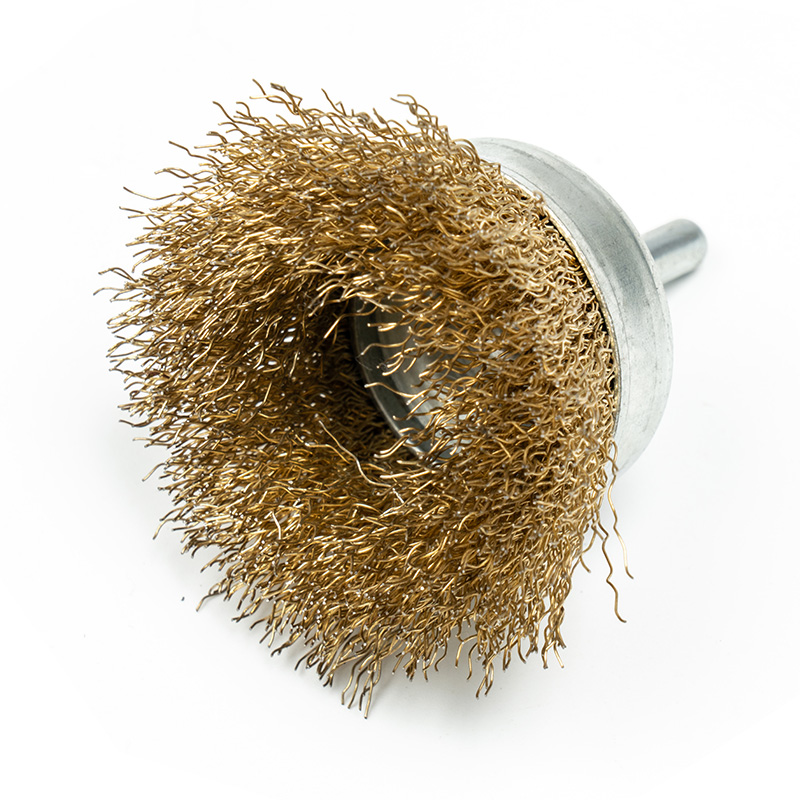
The Twisted Wire Bowl Wire Brush is a powerful and durable cleaning and finishing tool designed for heavy-duty industria...
See Details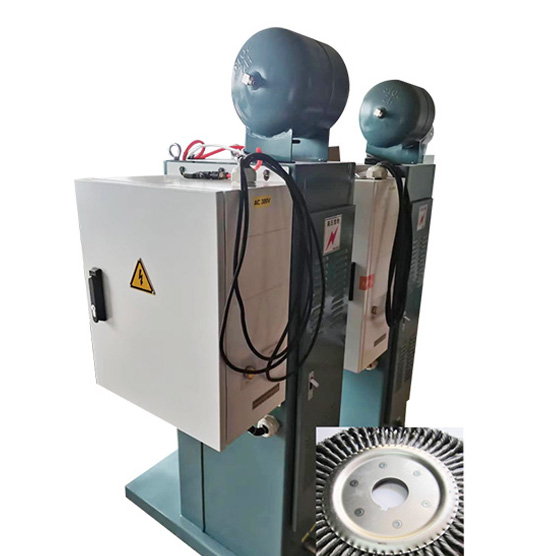
The Metal Joining Welder is an advanced tool designed to meet the demanding needs of industries that require reliable an...
See Details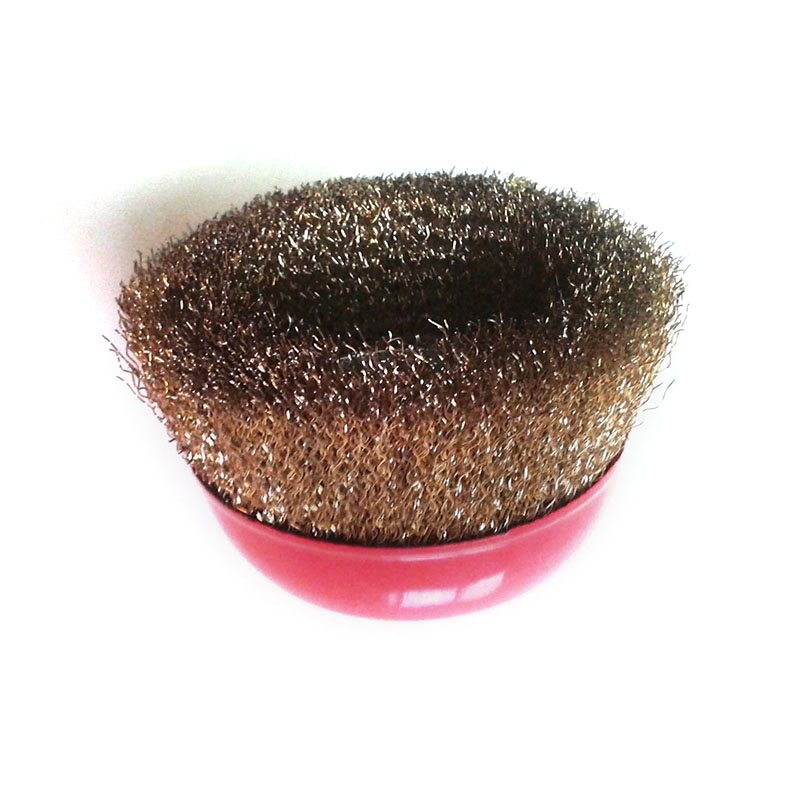
The Bowl Wire Brush is a versatile and durable cleaning tool designed for various surface preparation tasks, including r...
See Details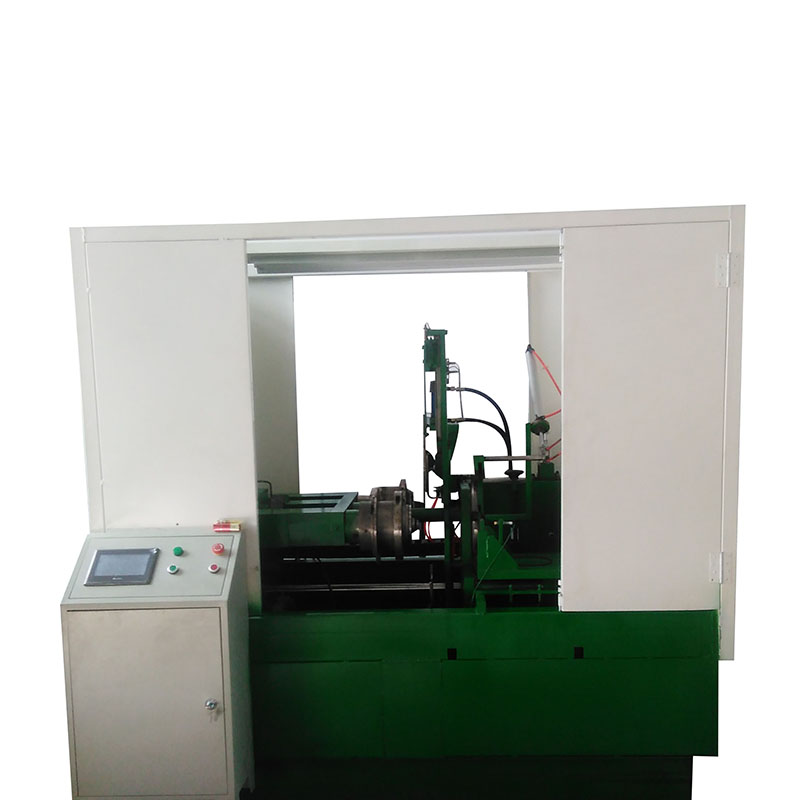
The Segment Brushing Machine is an industrial tool designed for the efficient production of segmented wire brushes. Thes...
See Details
We warmly welcome all industrial and trade companies, converters, abrasives and tool agents and distributors to join us, enjoy Tarun's platform, develop their own markets, and share world resources!
 Email:
 Phone:
+86-18867586928
 Address:
Xiaxichi Industrial Zone, Gushan Town, Yongkang City, Jinhua City, Zhejiang Province

Scan the QR code
Copyright © Yongkang Tarun Technology Co., Ltd.

Metal Processing Automatic Machine Factory

+86-18867586928


Contact Us