 English
 中文简体
中文简体 Español

Cat:Brush Making Machine
The Curved Brush Chip Cleaning Machine is engineered to solve common challenges in chip manufacturing, where cleanliness...
See Details
Steel surfaces often meet air and moisture during storage, transport, or daily use. When these two elements stay in contact for a period of time, a gradual surface change can appear. This change usually begins as a thin layer that slowly spreads across exposed areas. It is not always immediate, but it develops quietly as the surface reacts to its surroundings.
In many working environments, steel parts are placed in open air, stored in humid spaces, or handled without full protection. Small scratches or worn coatings make it easier for moisture to settle into the surface. Once this happens, the outer layer of steel starts to lose its smooth appearance. The texture becomes uneven, and a reddish or brownish layer may form.
This surface change is commonly seen in tools, mechanical parts, structural pieces, and storage equipment. It does not only affect appearance but also influences how the material behaves in later processing steps. For this reason, surface cleaning is often required before further use.
In metal maintenance work, surface cleaning is usually handled in different ways. Some methods rely on liquid solutions, while others depend on physical contact. Mechanical cleaning belongs to the second type, where direct friction is used to remove unwanted layers from the surface.
Among these approaches, rotating brushing has a stable position because it allows continuous contact with the surface. Instead of dissolving the unwanted layer, the motion gradually removes it through repeated friction. This makes the process easier to control in many working conditions.
Mechanical cleaning is often chosen when surfaces need preparation before further steps such as joining or coating. A clean surface helps the following process attach more evenly. Without this preparation, uneven layers may remain and affect later results.
A simple comparison of surface cleaning approaches is shown below:
Rotating brush cleaningContinuous mechanical contactRegular maintenance of metal parts
Rotating brushing stands out because it does not depend heavily on chemical reactions and can be applied in a more controlled physical way.
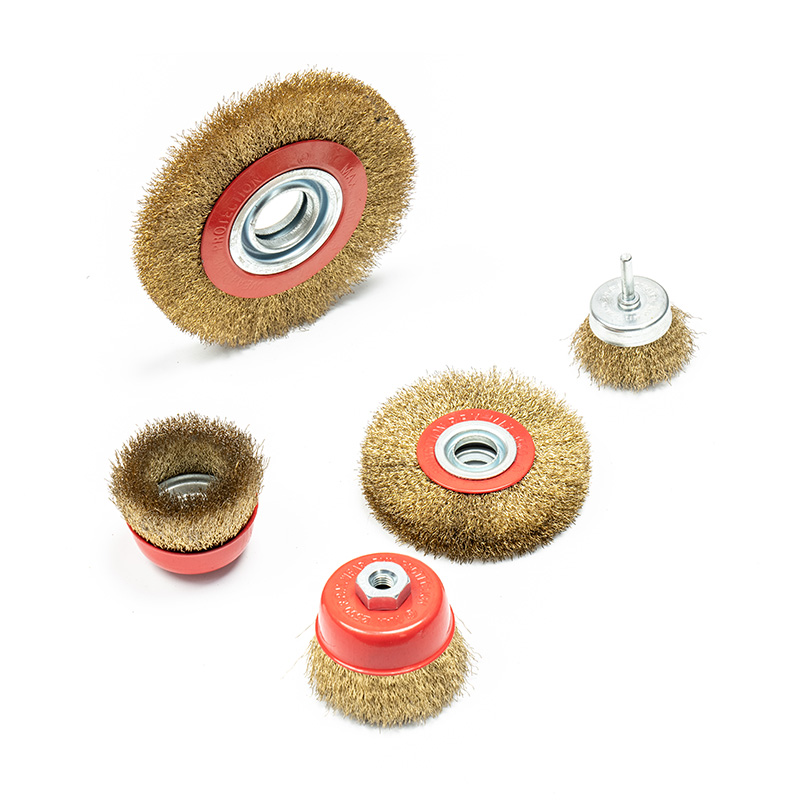
A Wire Wheel Brush Machine works through rotational movement. The central idea is simple: a circular brush equipped with wire filaments rotates at a steady pace, and these filaments make repeated contact with the steel surface.
When the brush touches the surface, each wire acts like a small contact point. These points do not remove material all at once. Instead, they gradually loosen the outer layer through repeated contact. Over time, the unwanted surface layer becomes thinner and separates from the base metal.
Several factors influence how this process behaves:
The process is not aggressive in a sudden way. It is more of a steady removal where each pass contributes a small change to the surface condition.
The structure of a Wire Wheel Brush Machine is built around stable rotation and controlled contact. Each part plays a role in keeping the movement consistent during operation.
The wire wheel itself can vary in stiffness and density. A tighter arrangement of wires tends to create stronger surface contact, while a looser arrangement may feel lighter on the steel surface. These variations allow adjustment depending on surface condition.
The machine also requires periodic attention to the wire section, since continuous contact naturally causes wear. When wires shorten or bend, the contact pattern changes slightly, which may influence cleaning behavior.
A Steel Brush for Rust is often used when surface layers begin to show visible oxidation. It works as a direct contact tool that scrapes away loose or attached surface layers without altering the base structure too deeply.
In practical use, it is commonly applied in situations such as:
The tool can handle different surface shapes. Flat areas allow even contact, while curved or uneven parts require more controlled movement. In both cases, the brushing action remains based on direct physical contact.
A simple comparison of surface condition and brushing response:
| Surface Condition | Brushing Response | Resulting Texture |
|---|---|---|
| Light surface layer | Easy removal | Slight texture change |
| Medium buildup | Gradual removal | Noticeable smoothing |
| Heavy layer spots | Repeated contact needed | Uneven surface may remain initially |
Steel brushes are often used together with rotating machines to maintain a steady cleaning rhythm, especially when dealing with larger surface areas.
The Wire Wheel Brush Machine and Steel Brush for Rust are often seen as related tools in surface work. One provides rotational movement, while the other defines the contact surface.
When used together, the process becomes more structured:
This combination allows gradual surface improvement without sudden changes. It also helps maintain control over areas that require more attention compared to others.
In many cases, operators adjust the brush type based on how the surface reacts. If the layer is loose, a lighter brush may be enough. If the surface is more compact, a firmer brush structure may be used at the beginning stage.
The transition between different brushing stages is usually smooth, with no clear separation, but the change in surface texture can be noticed through touch and visual inspection.
Steel does not react to brushing in a sudden or dramatic way. The change happens step by step, almost like layers slowly loosening from repeated contact. At the beginning, the brush usually touches only the loose outer part of the oxidized layer. These small particles tend to come off first because they are less stable.
As the contact continues, the surface starts to look more even. What used to feel rough becomes slightly smoother to the touch. The inner metal is not immediately exposed everywhere, but small areas begin to show a cleaner base. This transition is gradual and depends on how long the brushing continues in one area.
The direction of movement also leaves a visible pattern. If the brush moves in a steady path, the marks tend to look more organized. If the motion changes often, the surface can appear more scattered. Neither situation changes the metal itself, but it does affect how the surface is visually perceived.
In some repeated contact zones, faint lines may appear. These lines are not deep scratches but simple traces of wire movement. Adjusting the contact angle or easing the pressure usually helps reduce how noticeable they become.
Working with a Wire Wheel Brush Machine is not only about removing surface layers. The way it is handled plays a big role in the final surface condition. A steady grip and consistent movement often matter more than applying strong force.
In daily use, operators usually pay attention to a few simple points:
The condition of the brush itself also matters. After repeated use, the wire tips slowly bend or shorten. When that happens, the contact becomes slightly softer and less uniform. It does not stop the function, but it changes how the surface feels during cleaning.
The surrounding environment can also influence the process. In dusty areas, removed particles may gather on the surface again if not cleared away. In slightly damp conditions, the friction can feel different, and the brush may not glide as smoothly.
Steel surfaces are not all the same. Some are thick and steady, while others are thin or shaped into more detailed forms. Because of this, brushing behavior needs to be adjusted based on how the surface reacts.
| Surface Condition | How It Reacts | Handling Approach |
|---|---|---|
| Thick steel body | Stable under contact | Steady brushing is acceptable |
| Thin sheet surface | Reacts quickly to pressure | Light contact is preferred |
| Curved structure | Uneven contact points | Angle adjustment is needed |
| Mixed condition surface | Different resistance areas | Controlled movement helps balance |
A Steel Brush for Rust is often selected based on these differences. A firmer brush may be used when the surface layer is stable and thick. When the surface is more sensitive, a softer contact approach is usually enough.
Sometimes a single workpiece has more than one condition. Flat areas may clean easily, while edges or corners may need slower movement. This makes the brushing process feel less uniform, but more adaptive to the surface shape.
In many metal processing routines, wire brushing is just one step among several surface actions. It usually appears after loose contamination is already removed and before any further surface treatment is applied.
The process often moves in a simple flow:
The Wire Wheel Brush Machine helps maintain a steady cleaning rhythm across larger areas, while Steel Brush for Rust tools are often used when more controlled contact is needed in smaller or uneven zones.
The surface does not become completely uniform in a single pass. Instead, it improves gradually with each interaction. Areas that were more exposed may respond faster, while protected or recessed parts may take longer.
Wire brushing also helps balance surfaces that have aged unevenly. Over time, different parts of the same structure may react differently to air and moisture. Brushing helps bring these differences closer together so the surface feels more consistent.
The interaction between rotating wire contact and steel surfaces is mostly about controlled repetition. Each pass of the brush removes a small amount of surface layer, and over time these small changes build up.
The Wire Wheel Brush Machine provides the steady motion needed for this repeated contact. The Steel Brush for Rust determines how direct or soft the contact feels on the material. Together, they form a simple but flexible approach to surface cleaning.
Nothing about the process is sudden. It is more like a gradual adjustment of the surface layer through repeated light contact. The final surface condition depends on how the brush is guided, how the material responds, and how evenly the movement is applied.
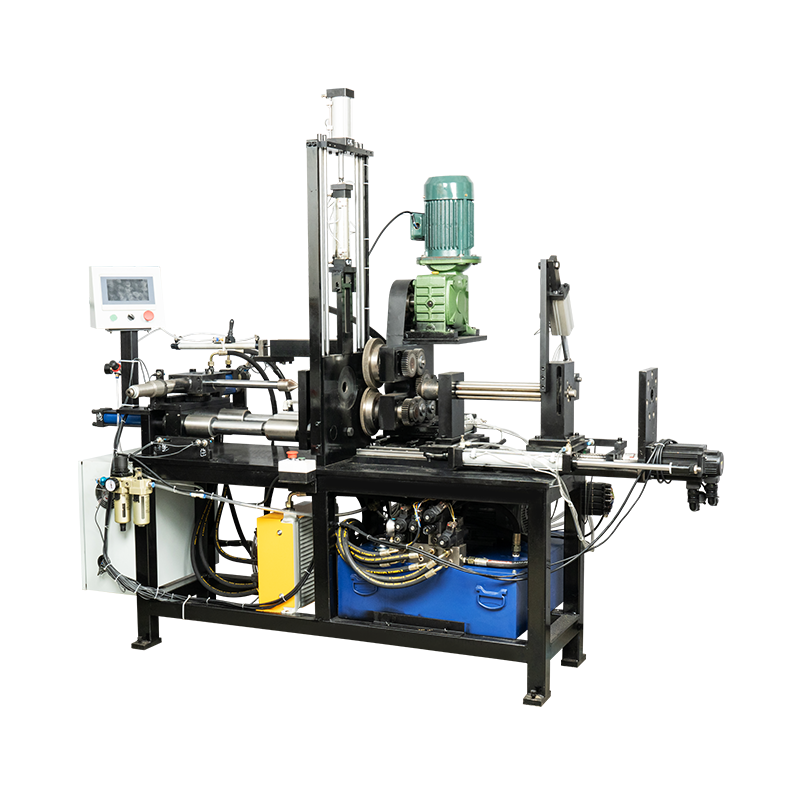
The Curved Brush Chip Cleaning Machine is engineered to solve common challenges in chip manufacturing, where cleanliness...
See Details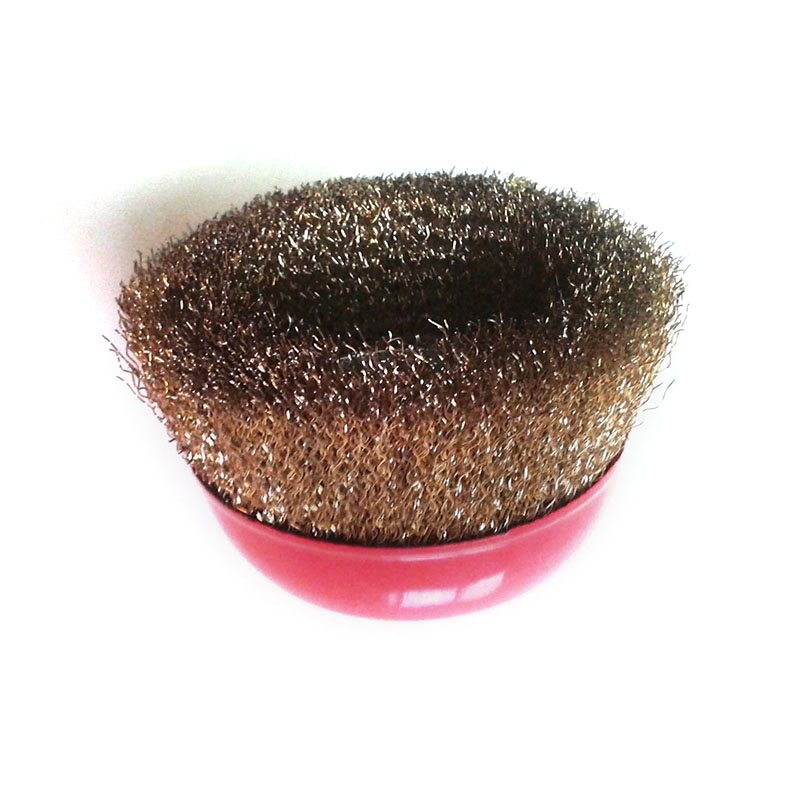
The Bowl Wire Brush is a versatile and durable cleaning tool designed for various surface preparation tasks, including r...
See Details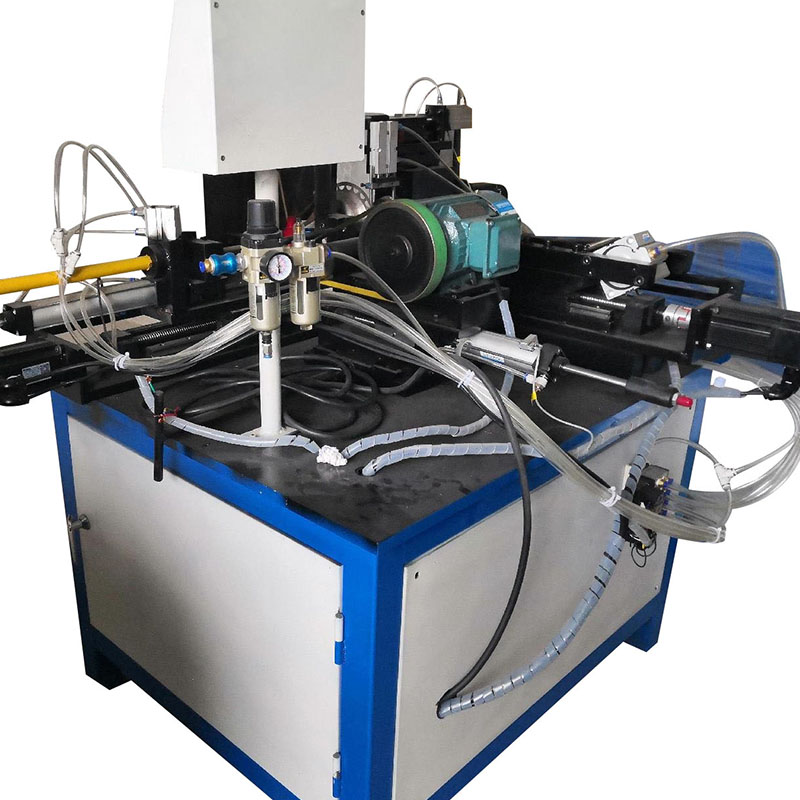
High-Frequency Curved Wire Brush Segment MachineThe High-Frequency Curved Wire Brush Segment Machine is a specialized to...
See Details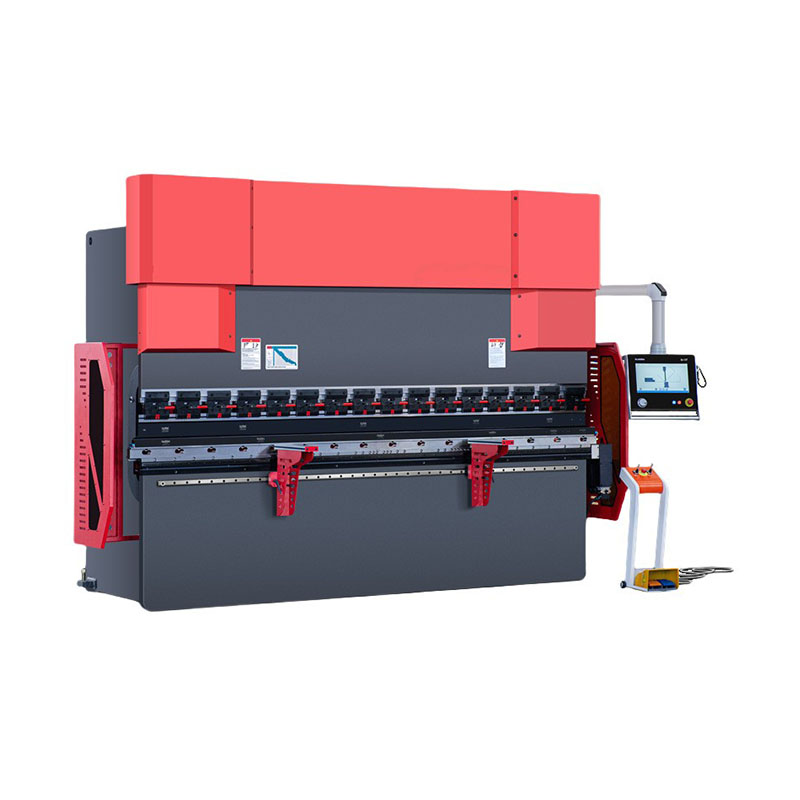
A Precision CNC Bending Machine is a state-of-the-art piece of equipment designed for accurate and efficient metal sheet...
See Details
We warmly welcome all industrial and trade companies, converters, abrasives and tool agents and distributors to join us, enjoy Tarun's platform, develop their own markets, and share world resources!
 Email:
 Phone:
+86-18867586928
 Address:
Xiaxichi Industrial Zone, Gushan Town, Yongkang City, Jinhua City, Zhejiang Province

Scan the QR code
Copyright © Yongkang Tarun Technology Co., Ltd.

Metal Processing Automatic Machine Factory

+86-18867586928


Contact Us