 English
 中文简体
中文简体 Español

Cat:Wire Wheel Brush
It features curved wire bristles that provide superior flexibility and uniform contact with the surface, ensuring effici...
See Details
Steel wire rope cutting often sits near the start of the workflow, so the quality formed at that point tends to follow the material into the next steps. A cut end that looks slightly uneven may still seem usable at first glance, yet later fitting work can reveal a different picture. Connectors may sit less smoothly, alignment can shift a little, and extra adjustment may become necessary during assembly.
Wire rope is not a simple solid bar. Its strength comes from strands twisted together, which means the structure responds in layers when a cut is made. Once the cutting point moves off balance, the end section can open in a less even way, and the rope may lose part of its original shape near the cut.
Precision matters because the cut end is not only a finished surface. It also affects how the rope behaves under load, how well it fits into later parts, and how much correction is needed before the material can move on.
Steel wire rope has a layered inner structure, and each layer reacts differently when pressure enters the cutting zone. That layered behavior makes the process more sensitive than cutting a uniform material. During blade contact, some strands may compress faster, while others hold their position a little longer, which can shift the final cut line.
Rope diameter changes the amount of resistance the blade must deal with. A thicker rope usually holds its shape more firmly, so the cutting action needs steadier control. A thinner rope may respond more quickly, yet it can also move slightly when the blade starts to close in.
Surface condition matters as well. A rougher surface creates more friction and may slow the feeding motion. A smoother surface reduces contact resistance, although it can also allow small slipping if positioning is not held firmly.
Internal stress is another part of the picture. Twisted strands do not always carry force evenly, and once the rope is cut, that stored force may release in different directions. The end section can then open in a way that looks uneven or slightly twisted.
Material-related influences often show up in a few familiar ways:
Tension before cutting helps decide whether the rope stays steady or moves slightly at the moment of contact. When tension remains balanced, the rope sits more securely in the cutting path, and the blade meets the material in a stable position.
When tension shifts, the rope may drift from the center line. That movement can be small, yet small movement is often enough to change how the blade enters the rope. A slight offset may create uneven pressure across the strands, which then affects the quality of the separated end.
Stored stress inside the rope also plays a part. Once cutting begins, the rope may release that stress quickly, and the release does not always happen in the same direction. The end may twist a little, or the cut line may open unevenly.
In many production settings, tension-related changes appear as:
The blade carries much of the responsibility for final cutting quality, and its condition changes gradually with use. A fresh edge can enter the rope more evenly, while a worn edge may press harder on one side than the other. That uneven contact often shows up in the cut finish.
As the blade works through repeated cycles, the edge begins to lose uniformity. The change is usually slow, which makes it easy to miss in early stages. Over time, however, the cutting action may feel less smooth, and the rope strands may separate in a less controlled way.
Heat also affects blade behavior. Cutting metal repeatedly creates local heat, and that heat can alter how stable the contact feels during a longer run. When the blade surface gets warm, consistency may drift slightly from one cut to the next.
Movement alignment matters here too. A blade can still be reasonably sharp and still give uneven results when its motion path no longer matches the rope position well.
Blade condition usually influences cutting in these ways:
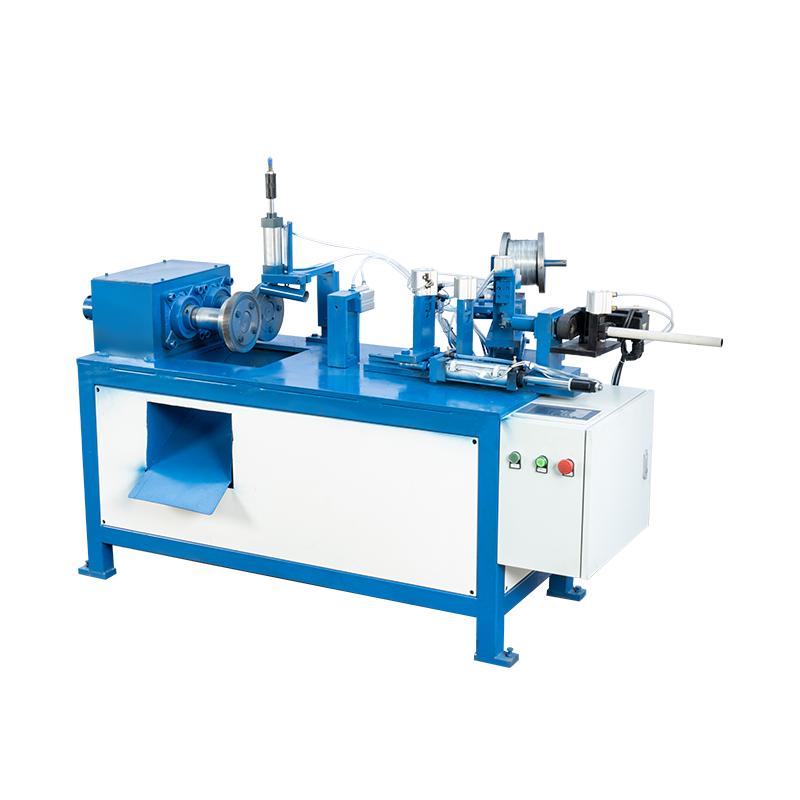
Alignment in the machine decides whether the rope reaches the blade along a stable path. When feeding and cutting zones stay lined up, the rope enters the working area in a controlled way, and the blade can act on it with less disturbance.
Once alignment drifts, the rope may approach the blade from a slightly different angle. That change can seem minor, yet it often affects how pressure spreads through the strand bundle. A small offset in the entry path may lead to a less even cut surface or a cut line that shifts away from the intended point.
Vibration is another factor worth watching. Continuous motion creates ongoing mechanical movement, and over time that movement may loosen positioning stability in some parts of the structure. The result is not always immediate, but repeated cycles can make the deviation easier to notice.
| Factor | Area | What Changes During Cutting | Likely Result on Output |
|---|---|---|---|
| Material | Structure | Strand response inside the rope | Uneven separation line |
| Rope | Tension | Stability before blade contact | Shift in cutting point |
| Blade | Condition | Pressure balance at the edge | Less uniform cut finish |
| Machine | Alignment | Position of rope entry | Offset or angled cut path |
Feeding behavior often looks plain, yet it has a quiet effect on cutting precision. A steel wire rope needs to travel into the cutting zone in a steady line, so the blade can meet it at the right point. When the feed stays even, the rope reaches the cutting area without much side movement, and the cut tends to stay cleaner.
Once feeding becomes uneven, the rope may drift a little, slow down for a moment, or move with a slight twist. None of that always looks serious during operation, but small movement at the wrong time can change the cut position. The blade may enter from a different angle, and the end section may open in a less balanced way.
Feeding stability is tied to how well the rope is guided along the path. A stable guide helps keep the material centered, while loose guidance can allow a small slide or rotation before cutting happens. That change is enough to affect the result.
A few feeding-related signs often show up together:
In longer working periods, feeding behavior can change little by little, so the effect may become easier to notice after repeated cycles rather than in one single cut.
Transmission movement links the working parts of the machine, and timing depends on how smoothly that movement is passed along. In steel wire rope cutting, the blade, feed path, and motion sequence need to stay in step with one another. When they do, the rope is cut at a stable point with less disturbance.
If motion transfer becomes less smooth, the blade may arrive a little earlier or later than intended. That timing shift may not look large, yet it can change the pressure pattern at the moment of contact. The rope may resist unevenly, and the cut line may drift slightly.
Wear inside moving parts can also affect this timing. As components work over time, the motion path may become less exact, and that can introduce a small delay or a slight gap between actions. The machine may still run, although the cutting rhythm can slowly lose balance.
Transmission-related effects often appear in these ways:
These changes are often subtle at the start. Once several small differences build up together, the cut result may begin to vary from piece to piece.
Control settings shape how the machine reacts during each cutting cycle. Cutting stroke, movement timing, and feed coordination all depend on how the control system interprets the operating state. When the response stays stable, the process usually follows a familiar pattern.
Over time, small changes in settings or response behavior may affect cutting precision. A stroke that starts a little earlier or later can change the way the rope sits under the blade. The same applies to feed timing, where even a slight shift can move the rope away from the expected position.
Control performance is not only about the setting itself. It is also about how well the machine responds to changes in rope resistance, feeding load, and movement feedback. When those signals stay in step, the cut result tends to remain more even.
Control-related points often include:
A stable setting can still give uneven results when feedback becomes less consistent. That is why control behavior needs to work together with feeding and transmission rather than stand alone.
The surrounding environment can influence cutting behavior in ways that are easy to overlook. Temperature is one of the more visible factors. When the working area changes in temperature, the rope may react with slightly different stiffness, and that alters how the blade meets the material.
Dust can also affect the process. Small particles near the cutting zone may build up on the blade area or the feeding path, which can change surface contact and make movement less smooth. Even a thin layer of residue may be enough to affect repeatability over time.
Humidity matters as well. It can change how surfaces move against each other, which may affect feeding consistency and guiding stability. In some settings, vibration from nearby equipment adds another layer of disturbance.
Environmental influences often show up like this:
These factors do not always act in the same way each day. Their effect often depends on how long the machine runs and how sensitive the system is to small changes in the work area.
Maintenance keeps the machine in a steadier condition over time. A cutting system that is inspected regularly has a better chance of holding its alignment, blade contact, and motion balance. Small wear signs can be noticed early, before they influence output in a more obvious way.
Cleaning also matters. Residue near the blade or feeding path can change how smoothly the rope moves, so keeping those areas clear helps reduce extra resistance. In the same way, replacing worn parts helps restore movement that may have become less stable after long use.
Maintenance work is often simple in structure, yet its effect can be wide. A cleaned feeding path, a checked blade, and a properly adjusted support area all help the machine keep a more even cutting rhythm.
Common maintenance-related points include:
In many production settings, cutting precision depends less on one large correction and more on steady upkeep done at the right time.
Cutting precision in a Steel Wire Rope Cutting Machine rarely comes from a single cause. Material structure, rope tension, blade condition, feeding behavior, transmission timing, control response, and environmental influence all work together during the same cycle.
A small change in one area may not matter much by itself. Once it meets another small change, the combined effect can become noticeable. For example, a rope with slight tension variation may cut differently when blade wear is also present. Feeding drift can add to that change, and the final result may shift more than expected.
Stable cutting precision depends on keeping the whole process calm and consistent. The rope needs steady tension, the blade needs a sound edge, the feed path needs clear guidance, and the machine needs movement that stays in line with its own timing.
A Steel Wire Rope Cutting Machine works well when its parts move together without pulling the process in different directions. That kind of balance does not happen by chance. It comes from regular care, careful setup, and attention to the smaller changes that often appear before larger problems do.
When the machine, the material, and the working environment stay in better balance, the cut end is more likely to remain even, repeatable, and suitable for the next step in production.
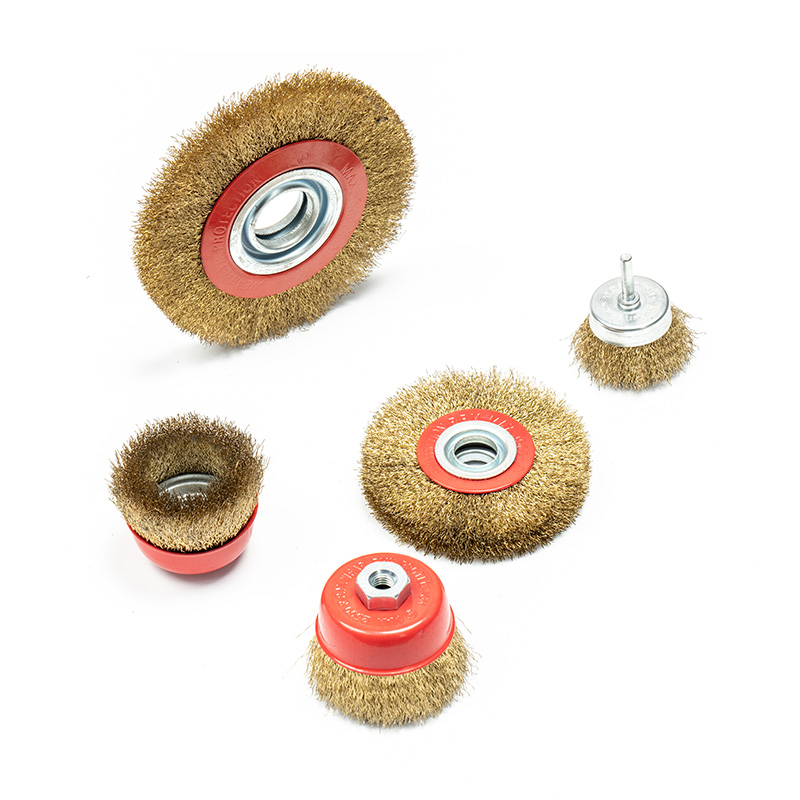
It features curved wire bristles that provide superior flexibility and uniform contact with the surface, ensuring effici...
See Details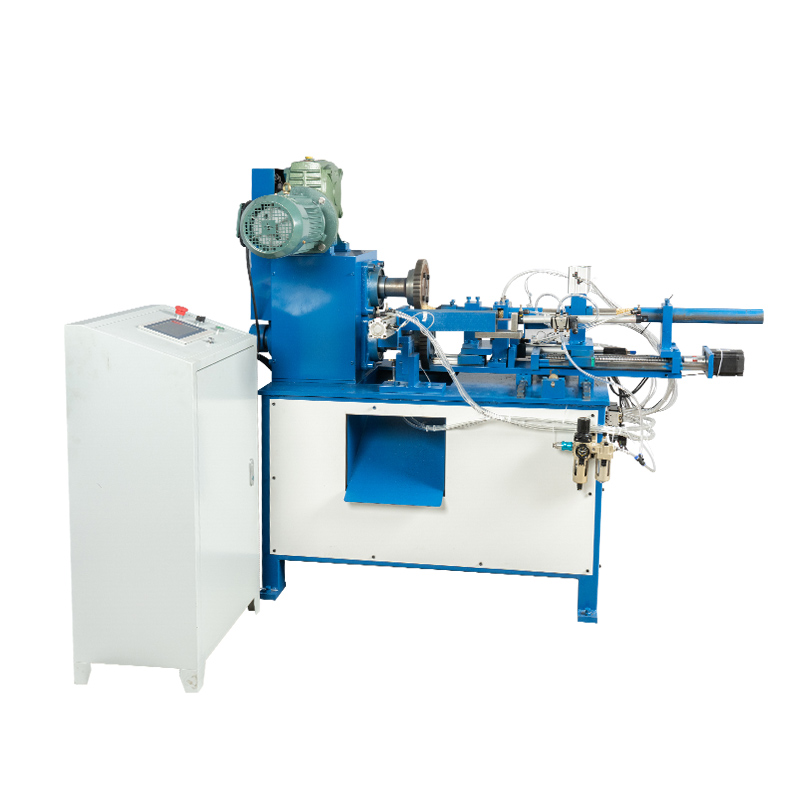
The Automatic Twist Steel Wire Cutting Machine is a revolutionary piece of equipment designed to address the specific ne...
See Details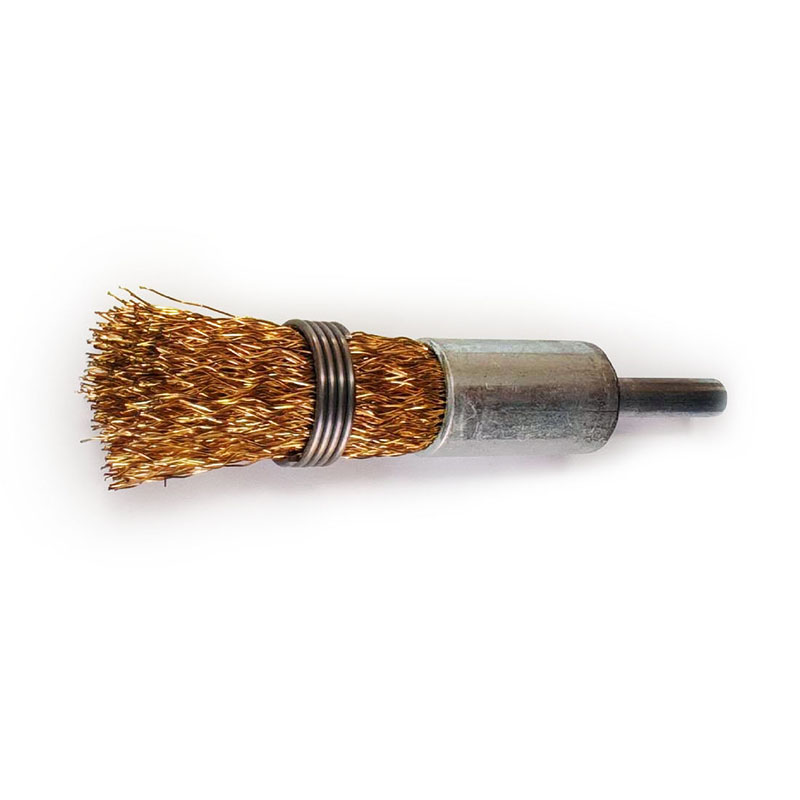
A polishing wire brush is an essential tool used in a variety of industries for achieving a smooth, polished surface on ...
See Details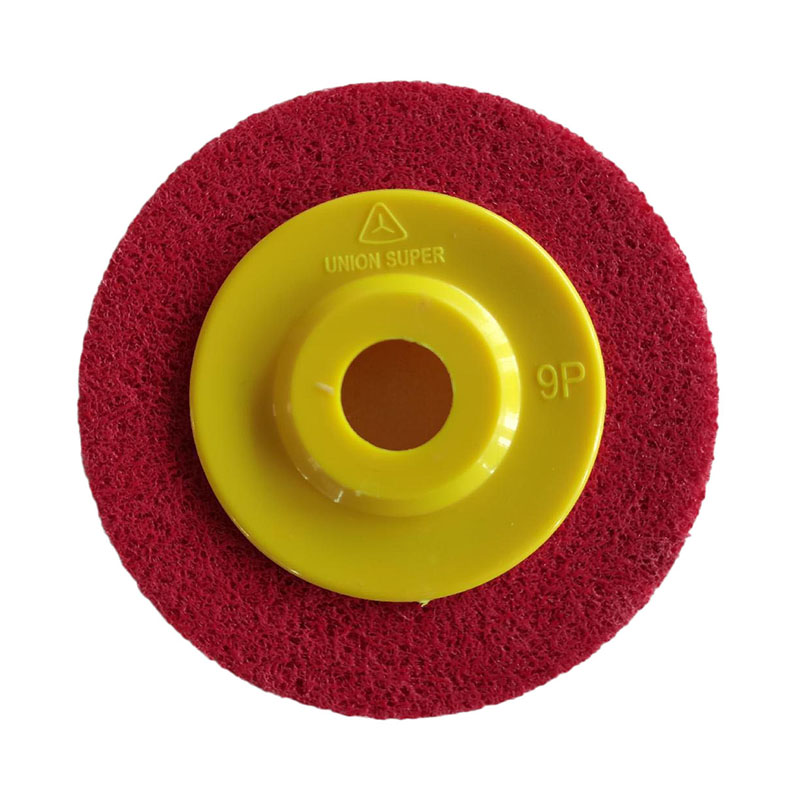
The Durable Non-Woven Fiber Wheel is an advanced tool designed for a variety of industrial surface finishing tasks. Craf...
See Details
We warmly welcome all industrial and trade companies, converters, abrasives and tool agents and distributors to join us, enjoy Tarun's platform, develop their own markets, and share world resources!
 Email:
 Phone:
+86-18867586928
 Address:
Xiaxichi Industrial Zone, Gushan Town, Yongkang City, Jinhua City, Zhejiang Province

Scan the QR code
Copyright © Yongkang Tarun Technology Co., Ltd.

Metal Processing Automatic Machine Factory

+86-18867586928


Contact Us