 English
 中文简体
中文简体 Español

Cat:Wire Wheel Brush
Made from twisted wire filaments, this brush is used extensively in industrial and maintenance applications for tasks th...
See Details
Walking through a facility that builds brushing equipment reveals a surprising variety of machines. Some stand tall with heavy frames and large motors, built to handle thick wire and high production volumes. Others sit on benchtops, designed for finer work and smaller batch runs. The equipment coming out of these places serves industries that need to clean, deburr, finish, or prepare surfaces. A Brush Machine Factory does not just turn out one type of equipment and call it done. The product line covers everything from simple bench grinders fitted with wire wheels to complex multi-station automation systems that run around the clock.
The connection between the machinery and the finished brush products matters because different brushes demand different production conditions. A machine that works well for making soft paintbrushes cannot handle the forces involved in producing heavy-duty industrial brushes. The frame strength, motor power, spindle design, and tooling all vary according to what the finished brush will be used for. Supporting a wide range of brush types means building and setting up machines that accommodate those differences from the start.
Every brush type serves a distinct purpose, and that purpose drives how the brush gets made. Wire diameter varies across categories, from fine filaments for polishing to thick strands for aggressive material removal. The way wires get held in the brush base changes too. Some brush designs use crimped wire that locks into place through mechanical pressure. Others rely on epoxy or other adhesives to keep the fill secure. Each method requires different machine settings and tooling.
The shape of the finished brush also affects production. A cup brush needs a concave base that holds the wires in a radial pattern. A wheel brush has a flat profile with wires extending outward from the center. An end brush, sometimes called a pencil brush, presents its fill at the tip rather than along the sides. Each geometry demands different fixturing and trimming arrangements on the production floor.
Knotting techniques add another layer of variation. Twisted knots give aggressive action and long life, but they require wire that can withstand tight coiling without breaking. Straight-knot brushes, where the wire sits in parallel bundles, need a different kind of retention strength. The machine that forms these knots must have precise tension control and consistent feeding mechanisms to produce reliable results across thousands of brushes.
Rust removal places serious demands on wire brushes. The wire needs enough stiffness and abrasiveness to cut through corrosion without wearing down too quickly. A Brush Machine Factory supports the production of these tools by building equipment that handles heavier wire gauges and tighter packing densities. The motor power on the forming machine must be sufficient to drive the wire through the knotting or crimping mechanisms without stalling.
Machine settings for a steel brush for rust focus on retention strength. Loose wire in the base will work its way out during use, leaving tufts of steel wire embedded in the workpiece or scattered across the shop floor. The production equipment needs to apply enough force to lock each wire bundle firmly in place while avoiding damage to the wire itself. Trimming height matters too. A steel brush for rust with wires that stand too tall may feel aggressive but wear out fast. Shorter trim gives more support to each wire and extends usable life.
Quality checks during production pay attention to wire protrusion consistency. Variations in trim height create an uneven brush face that cleans poorly and wears unevenly. The machines that hold and trim the brush during final finishing must maintain tight tolerances across every piece that comes through the line. Supporting this product category means equipping the factory with trimming heads and fixturing that maintain those tolerances shift after shift.
Rotary brushes that spin at high speeds require careful attention to balance. Even a small imbalance at low speed becomes a serious vibration issue at thousands of revolutions per minute. A small rotary wire brush, often used in die grinders or handheld power tools, needs precise fill distribution around its hub. Wires placed unevenly create a heavy spot that causes the tool to jump and chatter during use.
The production process for these smaller brushes involves different tooling than larger industrial brushes. The mandrel or arbor hole must align perfectly with the center of rotation. Fill density has to be consistent around the entire circumference. The trimming operation shapes the brush to a specific diameter and profile, often with the wires angled slightly to improve performance in tight spots.
Running smaller brushes on production equipment requires careful handling during the filling stage. The wire gauge used in a small rotary wire brush tends to be finer than what goes into heavy rust-removal brushes, but the number of wires per hole is smaller. The machinery needs to feed and cut the wire accurately without deforming it. Changeover between larger and smaller brush production involves swapping out dies, adjusting tension settings, and sometimes changing the entire filling head.
One of the practical challenges in brush manufacturing comes from the range of sizes and arbor configurations customers need. A Brush Machine Factory designs its equipment with interchangeable components that allow quick adjustment between product runs. Tooling sets for different diameters can be swapped out without rebuilding the whole machine. Arbor hole punches and dies come in multiple sizes to accommodate different mounting requirements.
Trim length adjustments happen through moving trimming heads up or down relative to the brush base. Taller trim gives a softer action and longer reach; shorter trim produces firmer contact and more aggressive cutting. The adjustment mechanism needs to be repeatable so operators can return to previous settings when running the same brush type again. Some production lines include digital readouts that store settings for different brush configurations, reducing setup time and improving consistency.
| Brush Type | Common Use | Key Production Requirement | Wire Grade | Trim Height Preference |
|---|---|---|---|---|
| Steel brush for rust | Aggressive corrosion removal | Tight knotting, firm retention | Heavy gauge | Medium to short |
| Small rotary wire brush | Detail work in tight areas | Balance, even fill distribution | Fine to medium | Short for precision |
| Cup brush | Large flat surfaces | Uniform radial fill | Medium to heavy | Medium |
| Wheel brush | Deburring and cleaning | Consistent fill across width | Varies by application | Medium to tall |
| End brush | Internal bores and blind holes | Concentric fill at the tip | Fine | Even tip shape |
Each dimension change, whether diameter, trim, or hole size, affects the machine setup and the time required to produce a given batch. Factories that support multiple brush types build flexibility into their equipment from the ground up, allowing them to respond to different orders without losing efficiency.
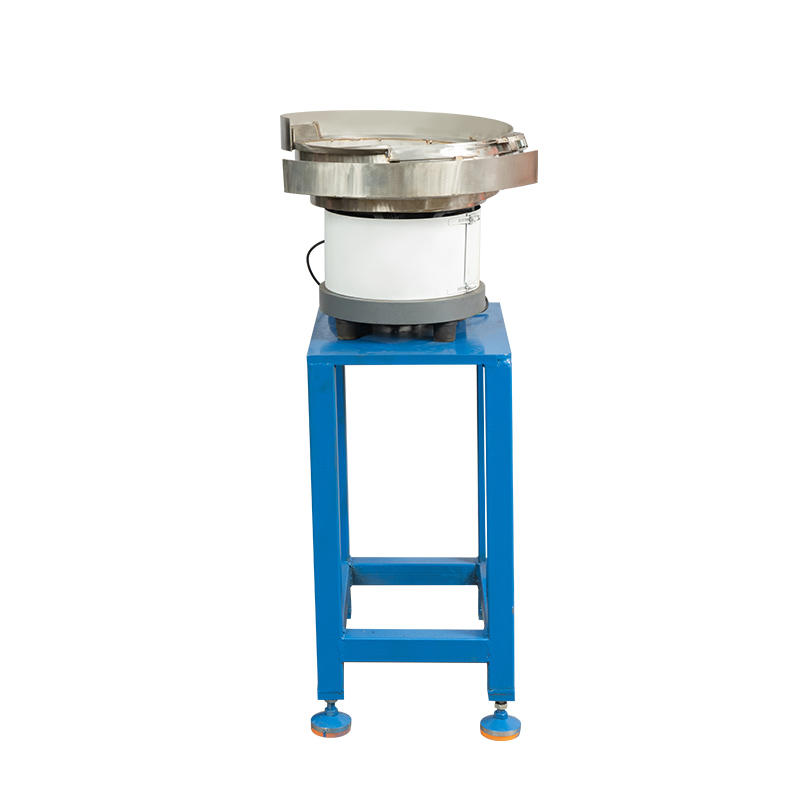
The wire running through a brush machine does more than just form the finished product. It interacts with every part of the equipment it passes through. Feeding mechanisms, cutting tools, knotting dies, and trimming heads all experience wear differently depending on what kind of wire moves through them. Steel wire behaves one way; stainless steel behaves another. Brass wire, softer than both, presents its own set of handling characteristics.
Harder wire grades wear down the cutting edges on trimming tools faster. A production line that runs high-carbon steel wire all day will need more frequent tool changes than one processing softer materials. The machine frame and drive components must handle the higher forces required to form and cut harder wire without flexing or losing alignment. Lubrication becomes more critical with harder wires because the friction generated during forming raises temperatures and accelerates wear on moving parts.
Production speeds often get adjusted based on wire material. Softer wires can be fed and formed at higher speeds without breaking. Harder wires need more careful handling, slower feed rates, and sometimes multiple passes through forming stations to achieve the desired knot or crimp without stressing the wire to the point of fracture. A facility that supports multiple brush types across different wire materials keeps these speed adjustments in mind when scheduling production runs.
Quality control in brush manufacturing varies by the intended application. A brush meant for gentle surface cleaning does not need the same retention strength as one designed for heavy weld scale removal. The inspection criteria shift accordingly. For a steel brush for rust, quality checks focus on wire retention and knot integrity. Loose wires in a brush that will see aggressive use pose safety risks and reduce performance. The factory tests pull strength on sample brushes from each batch, making sure each wire bundle stays in place under load.
Rotary brushes undergo spin testing to check balance and vibration levels. A small rotary wire brush that runs out of balance will cause operator fatigue and poor finishing results. The testing equipment spins each brush up to operating speed and measures any wobble or uneven rotation. Brushes that fall outside acceptable tolerances get rejected or reworked. For larger industrial brushes, the balance requirements may be less strict because they run at lower speeds, but consistency across the batch still matters.
Visual inspection remains a daily practice across all brush types. Operators check for even fill distribution, consistent trim height, and proper seating of wires in the base. Variations in any of these areas affect how the brush performs in the field. A brush with a gap in its fill will leave streaks on the workpiece. A brush with uneven trim will chatter and produce inconsistent results. The factory establishes visual standards and trains inspectors to spot deviations before brushes leave the floor.
The volume of brushes ordered affects how the factory organizes its production. High-volume runs for standard brush types allow the equipment to stay set up for extended periods. The machine settings remain unchanged, and operators become highly familiar with the specific adjustments needed. Efficiency improves with repetition, and the cost per brush drops accordingly. Many Brush Machine Factory operations focus on these steady, repeatable orders because they provide consistent work and predictable output.
Low-volume specialty orders present a different situation. Changing over tooling, adjusting trim settings, and recalibrating filling mechanisms takes time. The setup cost for a small batch may approach or exceed the production cost itself. Factories that support a wide brush range build their scheduling around these realities. They group similar brush types together to minimize changeovers. They stock common raw materials so specialty orders can run without waiting for wire deliveries.
Inventory management plays into production volume decisions. A factory that makes brushes across multiple categories keeps more wire gauges and fill materials on hand than one focused on a single product line. The storage area holds coils of different diameters, pallets of brush bases, and boxes of various arbor sizes. Managing this inventory without overstocking requires careful planning and good information about upcoming orders.
Operating a facility that handles many brush types brings specific difficulties. Multiple wire gauges need separate feeding systems or quick-change mechanisms. Different fill materials, from steel to nylon to brass, cannot mix on the same production line without thorough cleaning between runs. A factory that supports diverse brush categories spends significant effort on changeover procedures and line cleaning to prevent cross-contamination.
Training operators to handle diverse machine settings takes time and ongoing attention. A worker who runs heavy steel brushes one day and fine wire brushes the next must remember multiple machine configurations. The adjustments for tension, feed rate, and trimming height differ across product types. Some factories assign specific operators to specific machine types to maintain consistency, but this approach limits flexibility when order volumes shift.
Maintaining consistent quality across varied production runs challenges even well-organized facilities. A factory that has built a reputation for producing a particular brush type cannot afford to let quality slip when running something different. The quality standards must apply equally across all product categories, and the inspection procedures need to catch issues specific to each type. This requires a well-documented quality system and inspectors who understand the differences between brush applications.
The decisions made inside a brush factory reach far beyond the production floor. The equipment that builds the brushes, the settings chosen during manufacturing, and the quality checks applied at each stage all influence how the finished product performs. A steel brush for rust that came from a facility with strong retention testing will shed fewer wires and last longer than one produced with less attention to that detail. A small rotary wire brush that passed through a properly balanced production line will run smoother and produce more consistent finishes.
Users selecting a brush for their application should consider the source of that brush alongside its specifications. A factory that supports multiple brush types often brings deeper knowledge of wire behavior and production variables. The experience gained from running different materials and configurations translates into better control over quality and more reliable products. Knowing what happens behind the factory doors, from the raw wire arriving at the loading dock to the finished brushes leaving for shipment, gives users some sense of why certain brushes work better than others.
The relationship between manufacturing choices and field performance is direct, even if not always obvious at the point of sale. A brush that holds its wires firmly and runs true will clean faster and require replacement less often. A brush built with attention to balance and trim consistency will reduce operator fatigue and improve surface quality. These outcomes trace back to how the Brush Machine Factory operates, what it prioritizes during production, and how it manages the complexity of supporting a wide brush range.
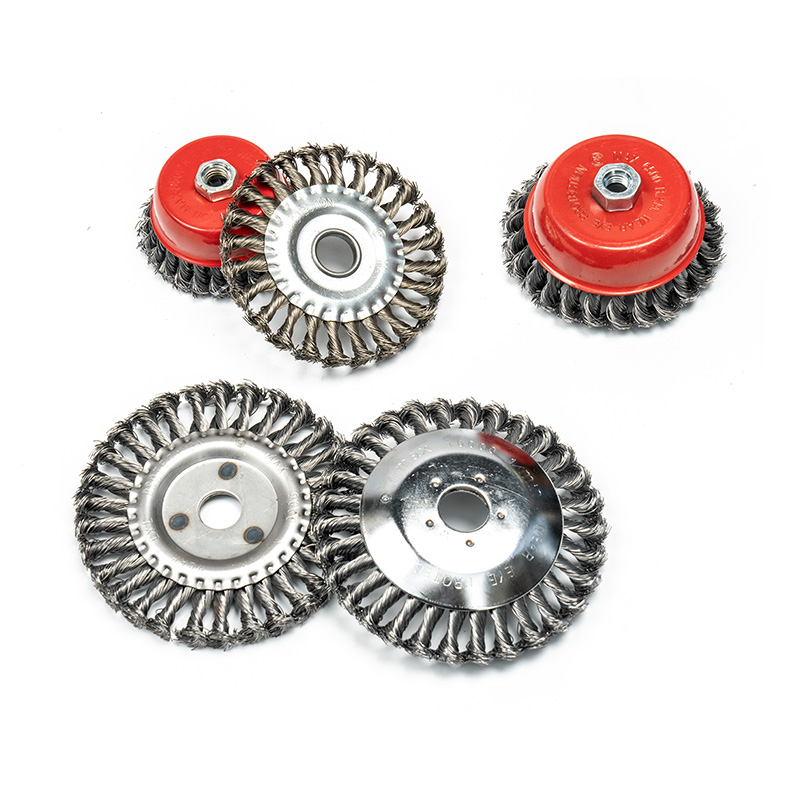
Made from twisted wire filaments, this brush is used extensively in industrial and maintenance applications for tasks th...
See Details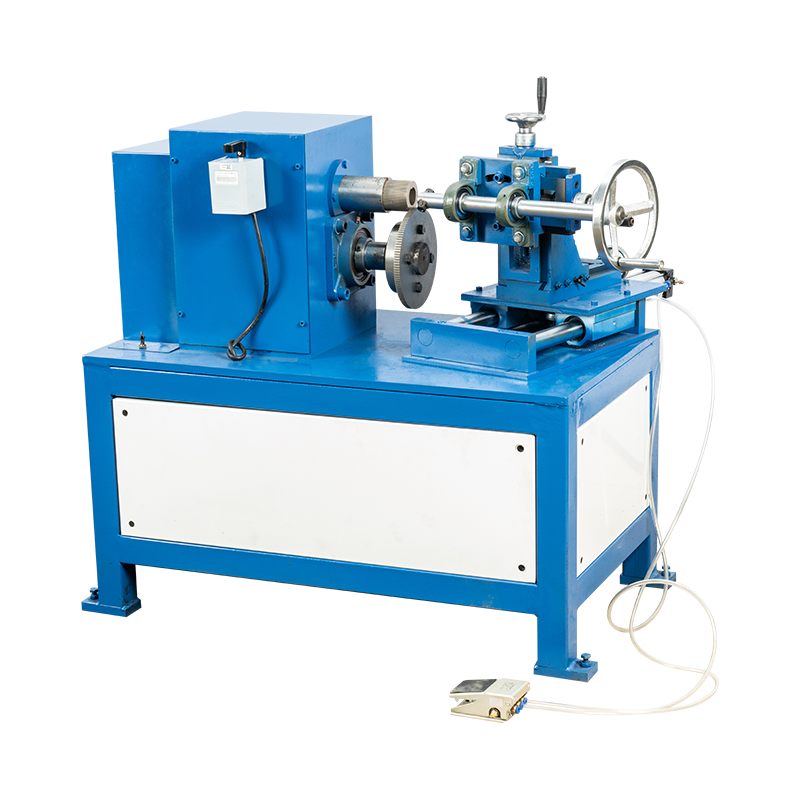
A common application is in the production of curved wire steel brush bowls, where precision trimming is essential to ens...
See Details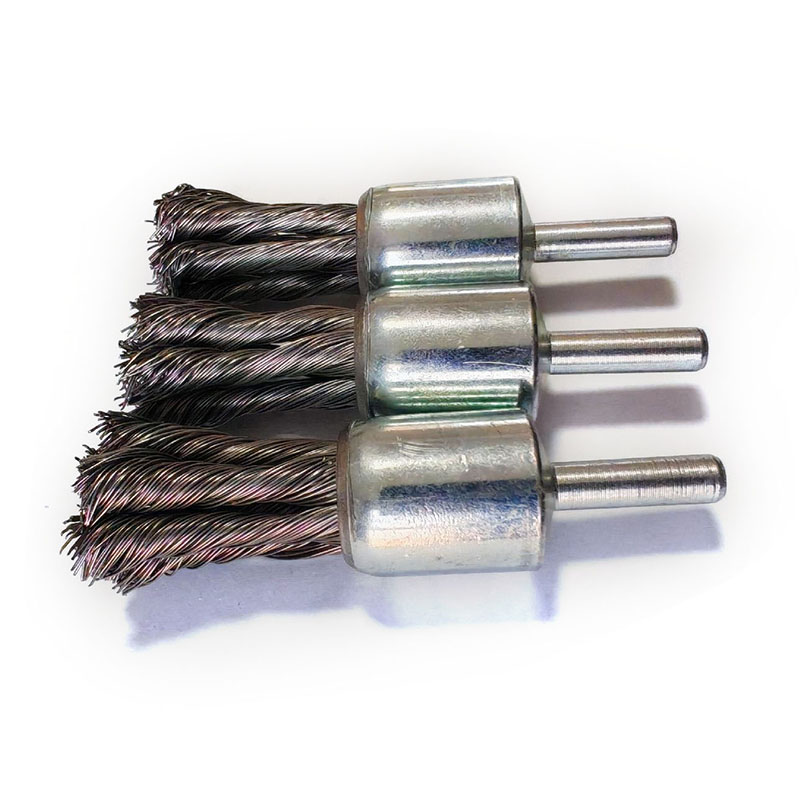
The pen-shaped twisted wire brush is a versatile, compact tool designed for cleaning, polishing, and surface preparation...
See Details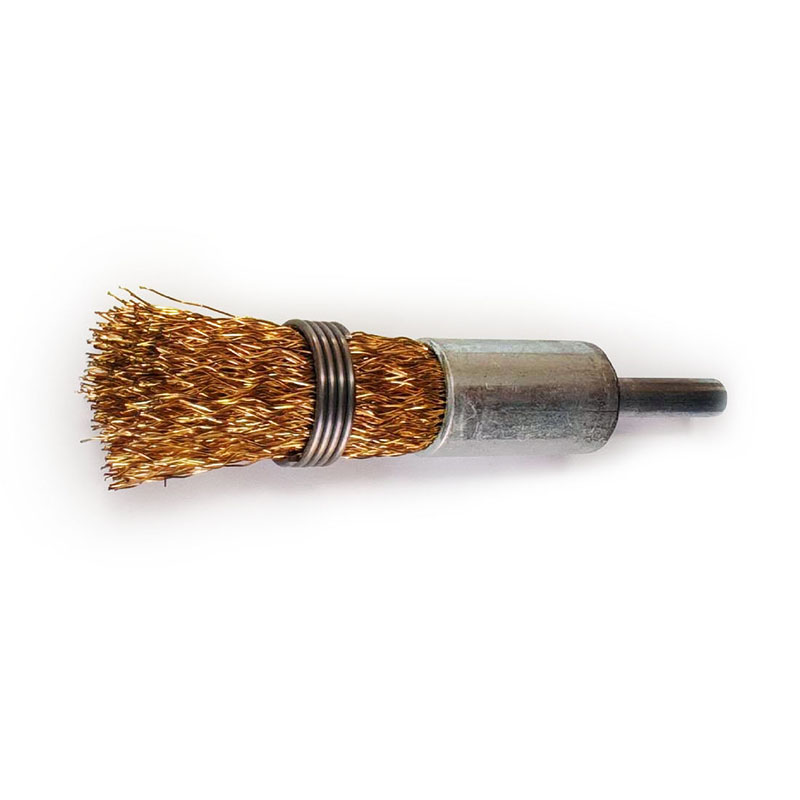
A polishing wire brush is an essential tool used in a variety of industries for achieving a smooth, polished surface on ...
See Details
We warmly welcome all industrial and trade companies, converters, abrasives and tool agents and distributors to join us, enjoy Tarun's platform, develop their own markets, and share world resources!
 Email:
 Phone:
+86-18867586928
 Address:
Xiaxichi Industrial Zone, Gushan Town, Yongkang City, Jinhua City, Zhejiang Province

Scan the QR code
Copyright © Yongkang Tarun Technology Co., Ltd.

Metal Processing Automatic Machine Factory

+86-18867586928


Contact Us