 English
 中文简体
中文简体 Español

Cat:Wire Wheel Brush
It features curved wire bristles that provide superior flexibility and uniform contact with the surface, ensuring effici...
See Details
Metal parts often start from flat sheet material and then take shape through stamping. Brackets, covers, connectors, frames, and many other pieces rely on that process because it can handle repeated forming with a stable flow.
A Precision Stamping Die matters because forming quality depends heavily on tooling. When die structure matches part design, the sheet moves more smoothly, part size stays steadier, and surface problems become easier to control. A poor match usually brings uneven edges, shape changes, or repeated adjustment during production.
Tool selection is never only about making a shape. Material thickness, part outline, bending areas, and forming order all need attention. A Custom Die Manufacturer usually checks these points early, since one die design rarely fits every metal part.
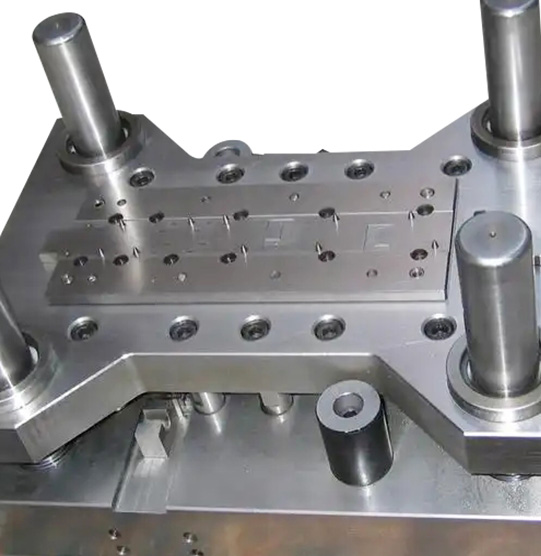
A stamping die is a tool that shapes metal sheet through pressure. Metal is placed in position, then the die sections guide cutting or forming until the part reaches its required shape.
Simple parts may need only one forming action. More complex parts may need holes, bends, raised areas, and shaped edges in one sequence. Once material starts moving through those steps, die control becomes very important.
A Precision Stamping Die focuses on keeping that movement steady. Accurate alignment, suitable pressure, and stable contact between die sections all help the part stay close to its intended design.
A die normally includes several working sections.
All sections work together. A problem in one area often affects the part that comes out later.
Stamping looks fast from outside, yet small changes can affect the final result. A slight shift in material position or tool alignment may change edge quality or part size.
Precision helps in three practical ways.
Many metal parts need repeat production with similar shape and size. A Precision Stamping Die supports that need by giving the sheet a fixed forming path.
Parts may include holes, bends, curved sections, or several formed features in a limited area. The die must match those shapes rather than forcing one structure onto every job.
Modern components often carry several features in one piece. A precision die can handle operations such as:
When forming steps follow a clear order, material tends to move more naturally. That lowers the chance of stress buildup or shape distortion.
Repeat production depends on stable tooling. If die movement stays aligned and material placement stays steady, parts are more likely to come out alike.
Useful points include:
When those points stay under control, production usually runs with fewer interruptions.
Die design also affects material use. Layout and forming order influence how much sheet material remains after production.
Reasonable planning may help:
A suitable die supports both forming and material use at the same time.
Die structure decides how pressure reaches the sheet. Different sections shape the part, hold it in place, and keep movement steady.
| Die Structure Factor | Influence On Production |
|---|---|
| Guiding system | Keeps movement aligned |
| Forming surface | Controls part shape |
| Support structure | Helps tooling stay steady |
| Cutting section | Affects edge condition |
| Positioning area | Limits unwanted movement |
When those sections work in balance, the forming process becomes more predictable and part quality stays easier to manage.
A stamping die works under repeated pressure, so its condition changes little by little during use. A die that fits the part structure can keep production smoother, while a poorly matched one may bring uneven forming, surface marks, or size changes.
Die performance usually depends on how the tool handles force, movement, and material contact over time. A simple part and a part with several bends do not ask for the same die structure, so tooling design has to follow the shape and working condition of the component.
Die material matters because the working surface keeps touching metal sheets again and again. Friction, pressure, and repeated movement all place stress on the tool. A suitable material helps the die hold its shape and reduces wear in the working areas.
When die material is chosen, several practical points usually come into view:
A die used for a thicker or harder sheet may face a different load from one used for a lighter material. That is why material choice should follow the actual forming job instead of general assumptions.
A stamping die is not just one solid block. It includes guiding sections, forming areas, support parts, and cutting zones, and each section affects how the whole tool behaves during production.
Structure design usually needs to answer a few simple questions:
Parts with several bends or connected features usually need a carefully arranged sequence. When the forming order is not clear, stress may build up in one area and change the final shape. A practical structure helps the metal move step by step instead of being forced all at once.
Different metal sheets react in different ways. Some bend with less resistance, while others keep a stiffer shape and need more control. Thickness also changes the result. A thin sheet may move too easily, while a thicker sheet may need stronger forming support.
That is why die design normally looks at more than the part outline. The material itself has to be part of the decision.
| Consideration | Effect On Die Design |
|---|---|
| Sheet thickness | Changes forming force and support needs |
| Material flexibility | Affects bending and shaping behavior |
| Part shape | Determines the forming sequence |
| Surface requirement | Influences tool contact condition |
A die that suits the material usually gives a steadier result and avoids repeated correction during production.
A Custom Die Manufacturer usually works from the part drawing outward. Before tooling begins, the part needs to be reviewed in detail so the die structure can match the real forming job.
Part review often starts with shape, thickness, hole position, and bending area. Those details can change the whole tooling plan.
Points that usually need attention include:
A narrow section may need extra support. A deeper formed area may need a different approach. Small details often change the tooling plan more than expected.
A good die structure needs to match how the part will move during forming. Material positioning should stay steady, the forming path should stay clear, and the tool should still be manageable during inspection or repair.
Practical die development usually keeps an eye on:
A die that works once is not enough. Repeated use places different demands on the tool, so long-term stability matters just as much as the initial forming result.
Once production begins, real conditions may show things that were not obvious on paper. Wear marks, shape changes, or surface problems can point to areas that need adjustment.
Common improvements may include:
Small changes made at the right time often help keep the tool in better condition and make production easier to manage.
A die that does not suit the part can create a chain of small problems.
Uneven pressure may make one side of the metal bend more than another. Poor contact can leave marks on the surface. Small positioning changes may affect holes, edges, or formed sections. When several parts need to fit together later, even a small difference can become a real issue.
Maintenance also becomes harder when the die structure is not practical. Worn areas may be difficult to inspect, and repairs may take longer than expected.
A stamping die changes with use. Metal residue, friction, and repeated movement slowly affect the working surfaces. Regular cleaning and inspection help keep those changes under control.
Maintenance usually includes:
Storage matters too. When a die is not in use, the working areas need protection from moisture, impact, and unnecessary contact. Good care helps keep the tool ready for the next production run.
A Precision Stamping Die appears in many metal part jobs where repeat shape and stable size matter.
Different parts bring different tooling needs, so one die structure rarely fits every job.
Selection usually starts with the part itself. Shape, material, forming steps, and maintenance needs all matter.
Useful points to check include:
A suitable Precision Stamping Die should fit the material and the job together. A Custom Die Manufacturer can help turn part requirements into a workable tooling structure that supports stable production.
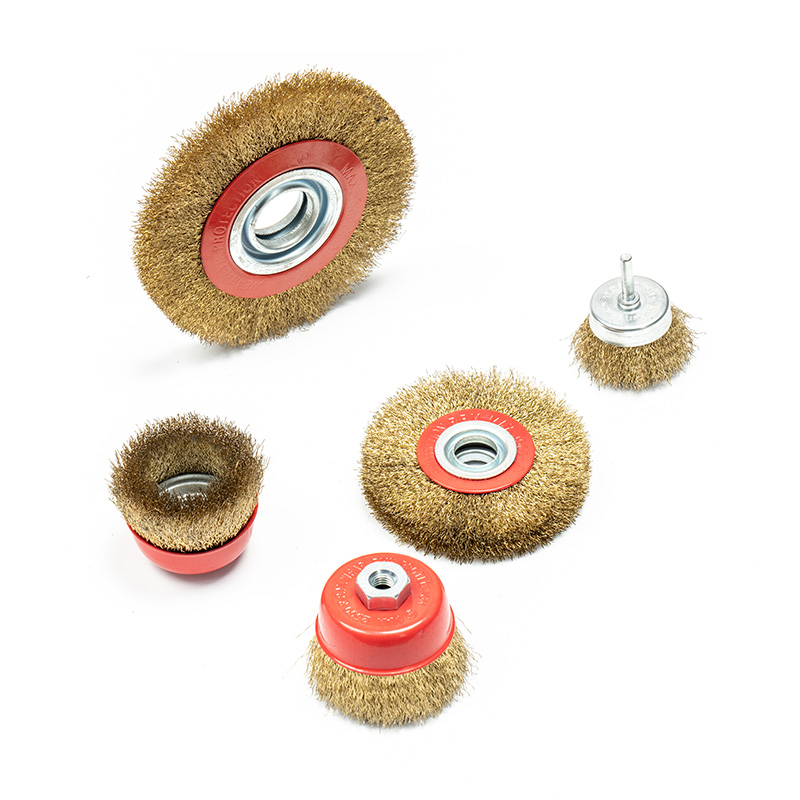
It features curved wire bristles that provide superior flexibility and uniform contact with the surface, ensuring effici...
See Details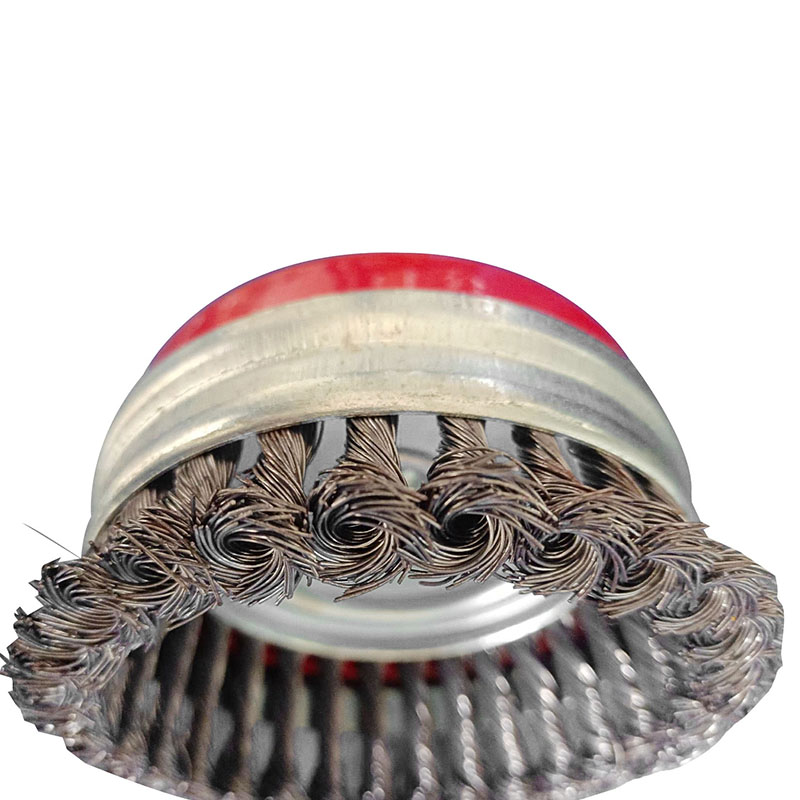
The Bowl Type Twisted Wire Brush is an industrial-grade cleaning tool designed for surface preparation, rust removal, an...
See Details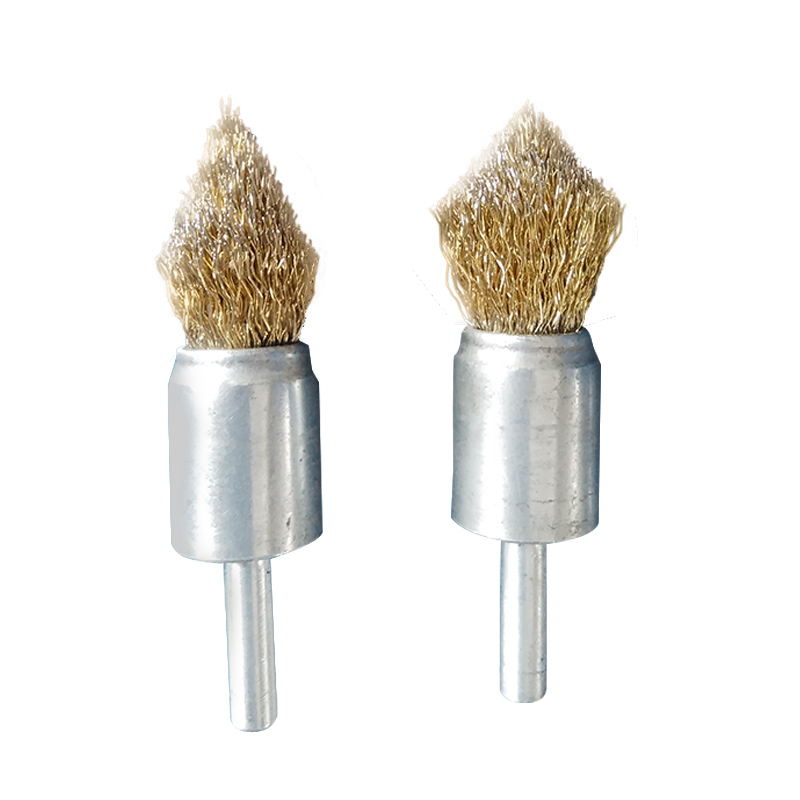
The pen type wire brush is a versatile tool designed for cleaning, deburring, polishing, and surface preparation. Compac...
See Details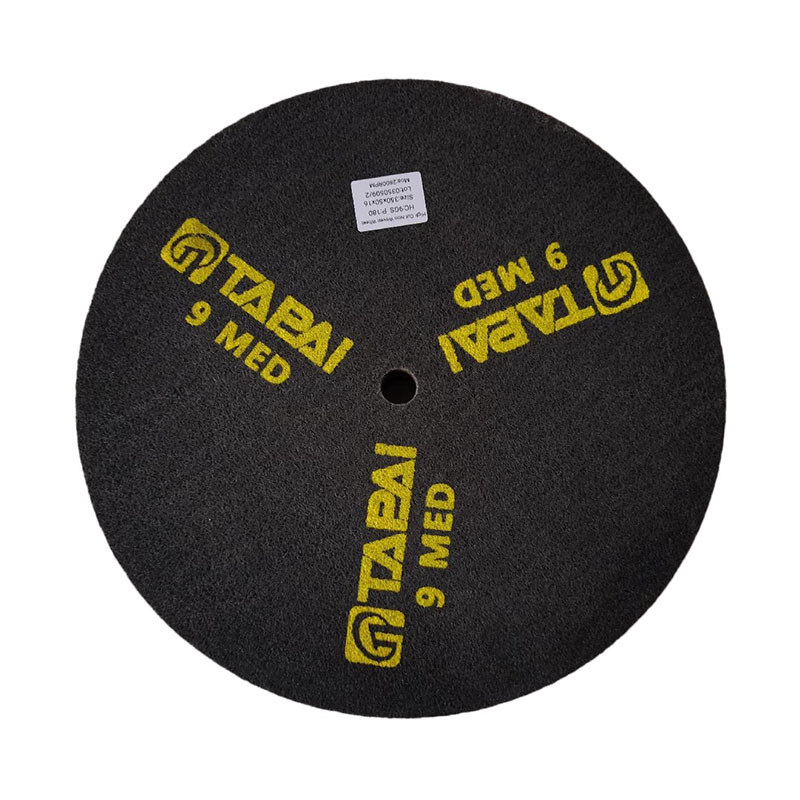
The High Temperature Resistant Non-Woven Fiber Wheel is a specialized industrial tool designed for precision surface pre...
See Details
We warmly welcome all industrial and trade companies, converters, abrasives and tool agents and distributors to join us, enjoy Tarun's platform, develop their own markets, and share world resources!
 Email:
 Phone:
+86-18867586928
 Address:
Xiaxichi Industrial Zone, Gushan Town, Yongkang City, Jinhua City, Zhejiang Province

Scan the QR code
Copyright © Yongkang Tarun Technology Co., Ltd.

Metal Processing Automatic Machine Factory

+86-18867586928


Contact Us