 English
 中文简体
 Español


Cat:Wire Wheel Brush
Twisted Wire Cup Wire Brush: Robust Cleaning and Surface Preparation Tool The twisted wire cup wire brush is a versatile...
See Details
Non-Woven Fiber Wheel Production Equipment plays a pivotal role in manufacturing high-quality abrasive and polishing wheels. Two of the critical parameters that determine the performance and longevity of these wheels are hardness and density. Proper control of these characteristics ensures consistent grinding, polishing efficiency, and safety during use. Understanding how production equipment influences these factors is essential for manufacturers aiming to meet diverse application requirements and maintain competitive quality standards.
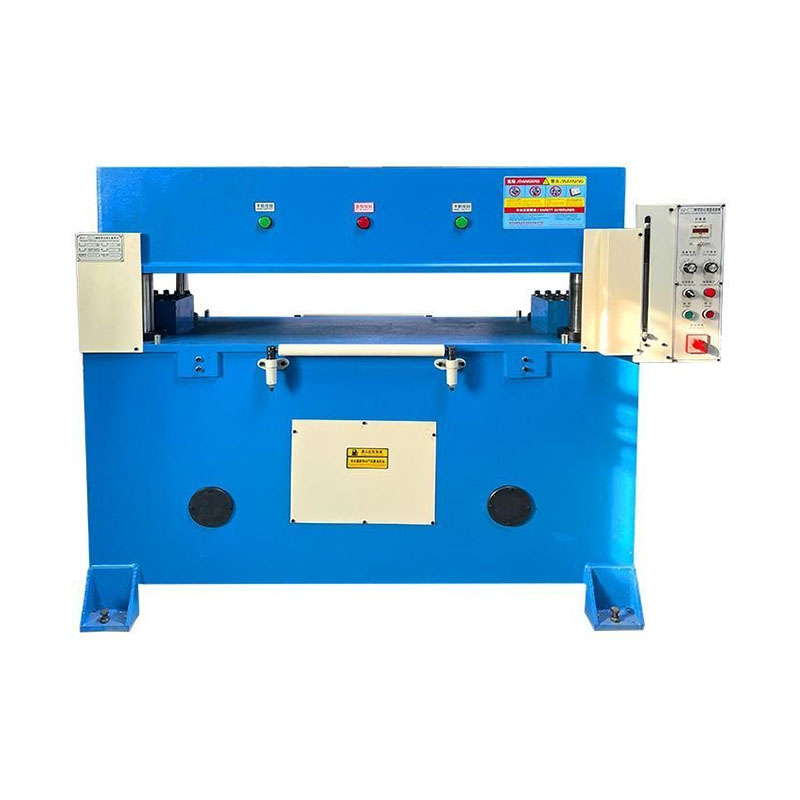
The hardness of a non-woven fiber wheel is primarily determined by the bonding materials, fiber composition, and applied pressure during formation.
Density control is essential to ensure that the wheel maintains uniform contact with the workpiece and provides predictable wear rates.
Advanced Non-Woven Fiber Wheel Production Equipment is equipped with several features that enable precise control over hardness and density.
Properly controlled hardness and density directly affect wheel performance in various applications.
Despite technological advancements, challenges remain in controlling wheel properties. Variations in fiber quality, resin viscosity, and environmental conditions can impact consistency. Operators must regularly calibrate equipment, monitor material batches, and implement quality checks to reduce deviations. Automated systems with real-time feedback significantly reduce human error and enhance reproducibility.
Non-Woven Fiber Wheel Production Equipment achieves control over wheel hardness and density through a combination of fiber management, adjustable pressing, temperature regulation, and monitoring systems. These factors collectively ensure that the wheels meet performance requirements, maintain safety standards, and offer versatility for diverse industrial applications. By carefully managing these parameters, manufacturers can produce high-quality wheels with predictable wear, consistent efficiency, and reliable durability, solidifying their position in a competitive market.
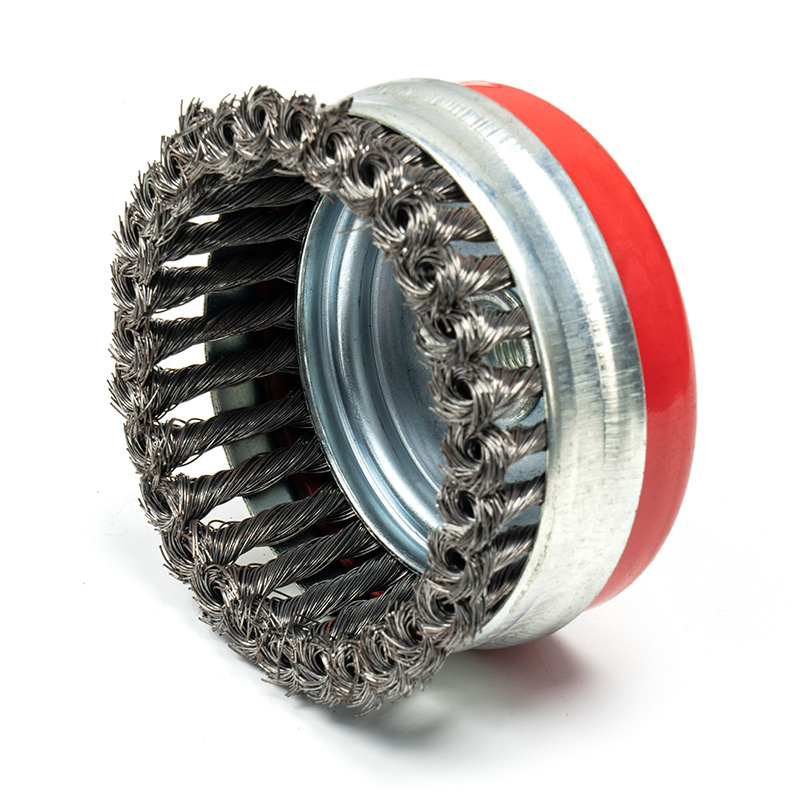
Twisted Wire Cup Wire Brush: Robust Cleaning and Surface Preparation Tool The twisted wire cup wire brush is a versatile...
See Details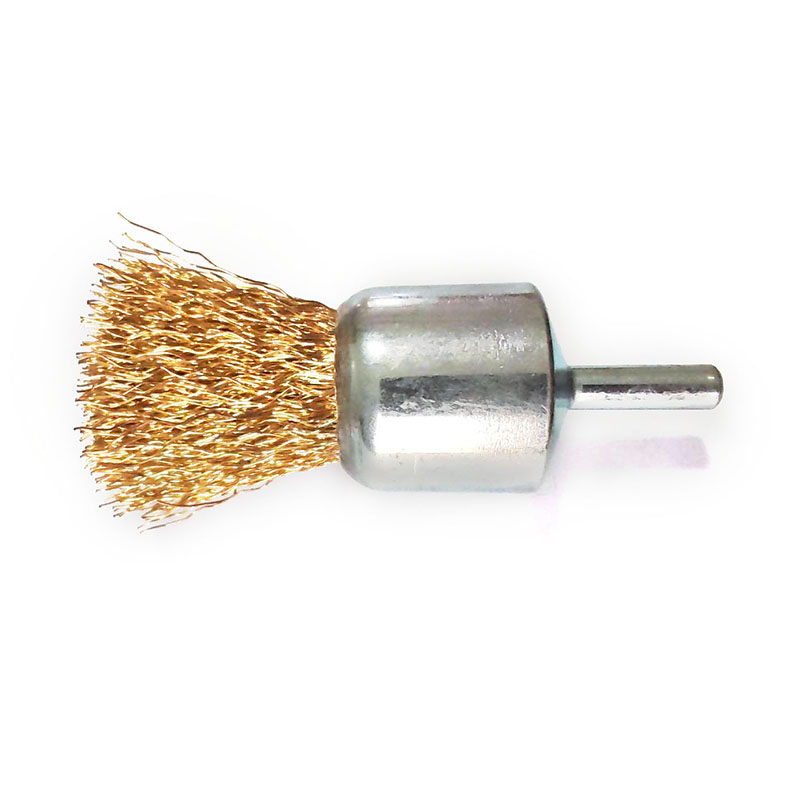
The Rust Removal Wire Brush is an essential tool designed for efficient rust removal, surface preparation, and polishing...
See Details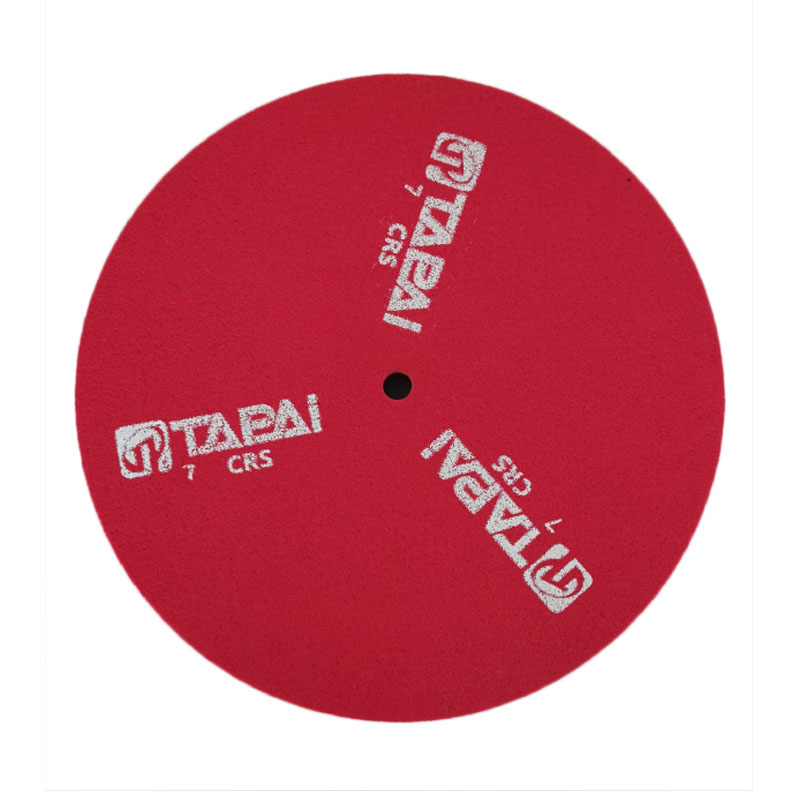
The Abrasion-Resistant Non-Woven Fiber Wheel is an advanced abrasive tool designed for a wide range of metalworking appl...
See Details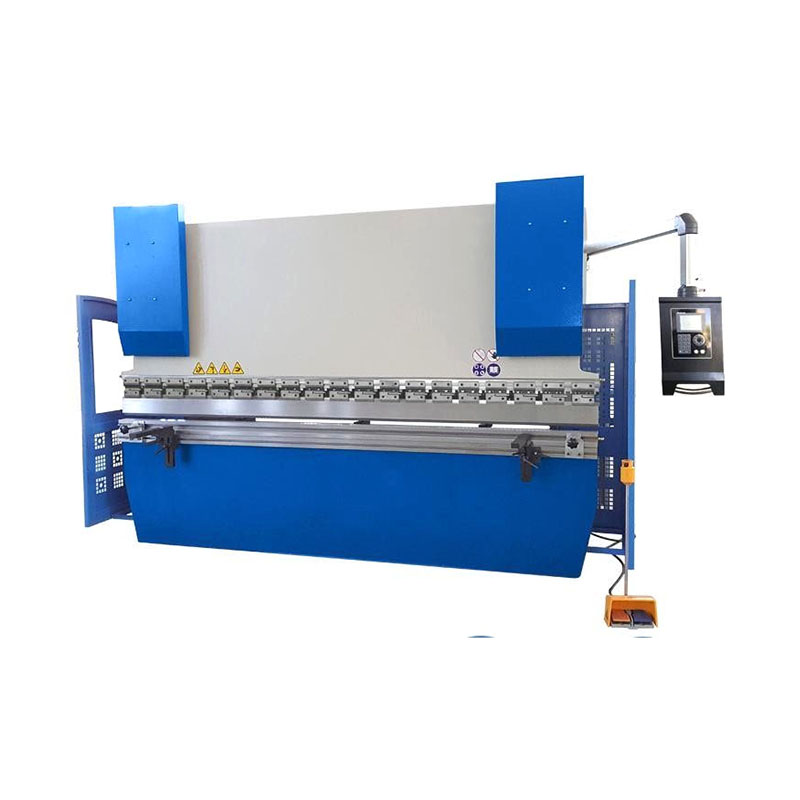
The CNC high precision bending machine is designed for bending metal sheets, such as steel, aluminum, and stainless stee...
See Details
We warmly welcome all industrial and trade companies, converters, abrasives and tool agents and distributors to join us, enjoy Tarun's platform, develop their own markets, and share world resources!
 Email:
 Phone:
+86-18867586928
 Address:
Xiaxichi Industrial Zone, Gushan Town, Yongkang City, Jinhua City, Zhejiang Province

Scan the QR code
Copyright © Yongkang Tarun Technology Co., Ltd.

Metal Processing Automatic Machine Factory

+86-18867586928


Contact Us