 English
 中文简体
中文简体 Español

Cat:Brush Making Machine
A common application is in the production of curved wire steel brush bowls, where precision trimming is essential to ens...
See Details
Material Properties and Manufacturing Defects
One primary reason a Non-Woven Fiber Wheel may shed or deform during use stems from inherent material properties or flaws introduced during the manufacturing process. These wheels are made of bonded synthetic fibers infused with abrasive grains and resin. If the bonding resin is of poor quality or applied unevenly, the structural integrity of the wheel can be compromised. Low-density or inconsistent fiber distribution can cause weak spots, which are more susceptible to crumbling, tearing, or irregular wearing. Additionally, improper curing during the production stage can cause the wheel to lack cohesion, causing fiber shedding or warping under stress. Selecting high-quality products from reputable manufacturers is one step in preventing these issues.
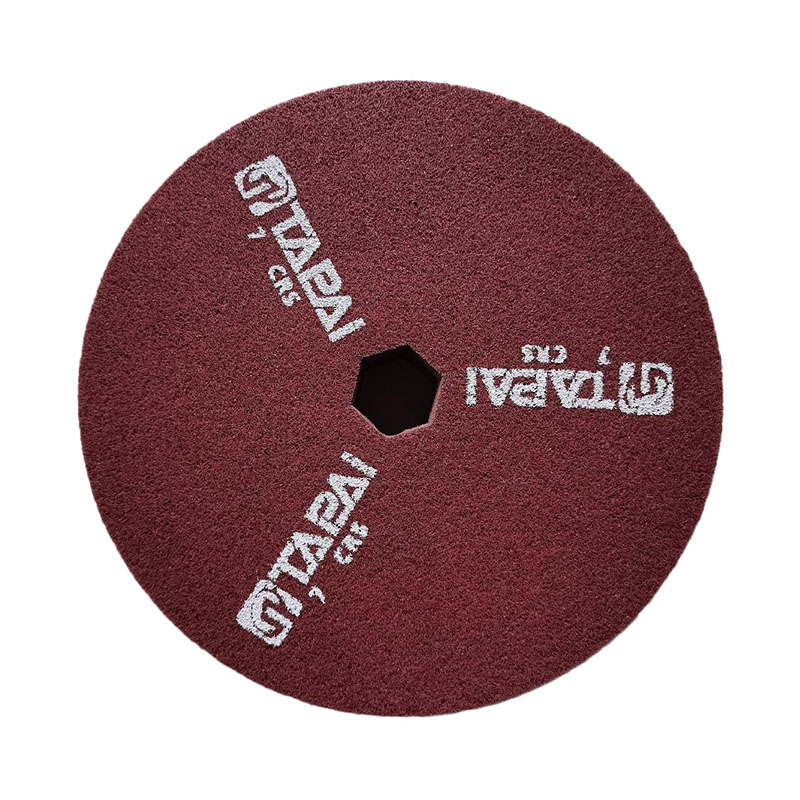
Excessive Pressure During Operation
Another major cause of fiber wheel failure is the application of excessive or uneven pressure during grinding. These wheels are designed for surface conditioning and light material removal, not for aggressive stock removal like conventional grinding wheels. When operators push too hard or angle the wheel improperly against the work surface, they create stress concentrations that the wheel may not be able to handle. This can cause edge breakdown, fiber splintering, or deformation of the wheel’s body. Even moderate pressure, if applied inconsistently, may cause accelerated wear or create vibration that worsens structural fatigue. To avoid this, operators should apply gentle, consistent pressure and let the abrasive grains do the work.
Incorrect Speed or Tool Compatibility
Speed mismatch is a critical factor that can affect the stability of the wheel. Every Non-Woven Fiber Wheel is rated for a specific range of revolutions per minute (RPM). Operating the wheel at a speed higher than its rated RPM can generate excessive centrifugal force, potentially causing it to disintegrate or deform. Moreover, using the wheel on tools or machines that lack proper support—such as poorly fitting mandrels or off-center mounts—can introduce imbalance, causing wobbling and eventual structural breakdown. Ensuring that both the tool and the wheel are correctly matched and that the wheel is securely mounted will decrease the risk of damage during operation.
Workpiece Material and Surface Characteristics
The nature of the workpiece material can also influence how well the fiber wheel holds up. Very hard, abrasive, or irregular surfaces can act like cutting blades on the wheel’s fibers, accelerating wear and increasing the likelihood of fiber shedding. Edges and corners can cause localized stress that breaks down the wheel unevenly. Likewise, working on contaminated or dirty surfaces with embedded particles may generate unexpected impact forces that degrade the wheel faster than usual. Pre-cleaning the work surface and using the wheel on materials suitable for light abrasive finishing will help extend the tool’s service life and reduce unexpected damage.
Environmental and Storage Conditions
Storage and environmental factors are often overlooked but can have a substantial impact on the wheel’s condition. Exposure to high humidity or direct sunlight over time can degrade the bonding resin, making the wheel brittle or overly soft. Temperature extremes may also warp the wheel’s shape before it is even put to use. To prevent premature degradation, fiber wheels should be stored in dry, temperature-controlled environments, away from chemical vapors or mechanical stress. Wheels that have been stored improperly may already have hidden defects, making them more vulnerable to failure during operation.
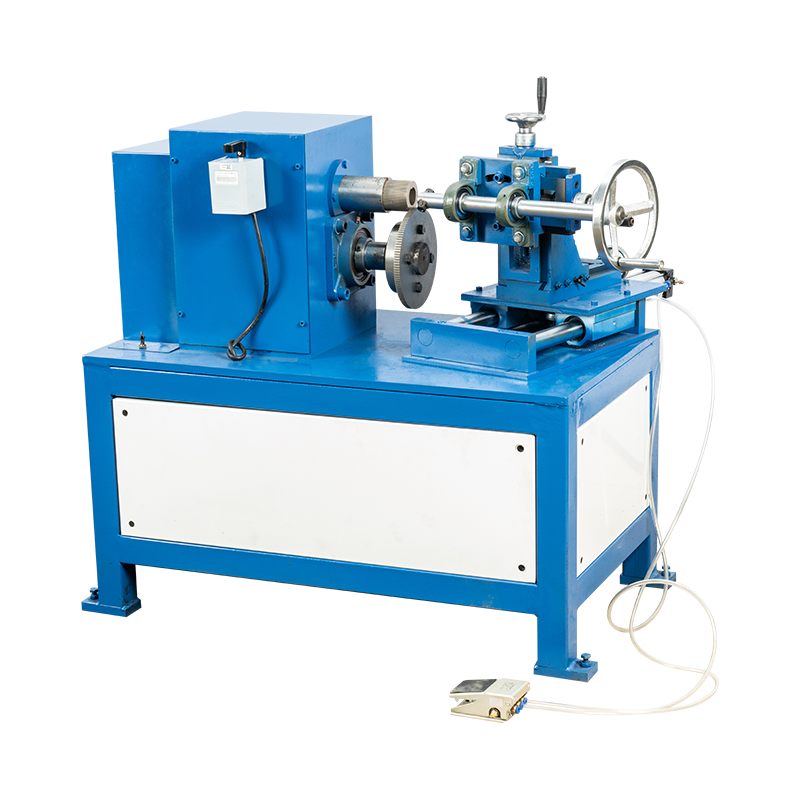
A common application is in the production of curved wire steel brush bowls, where precision trimming is essential to ens...
See Details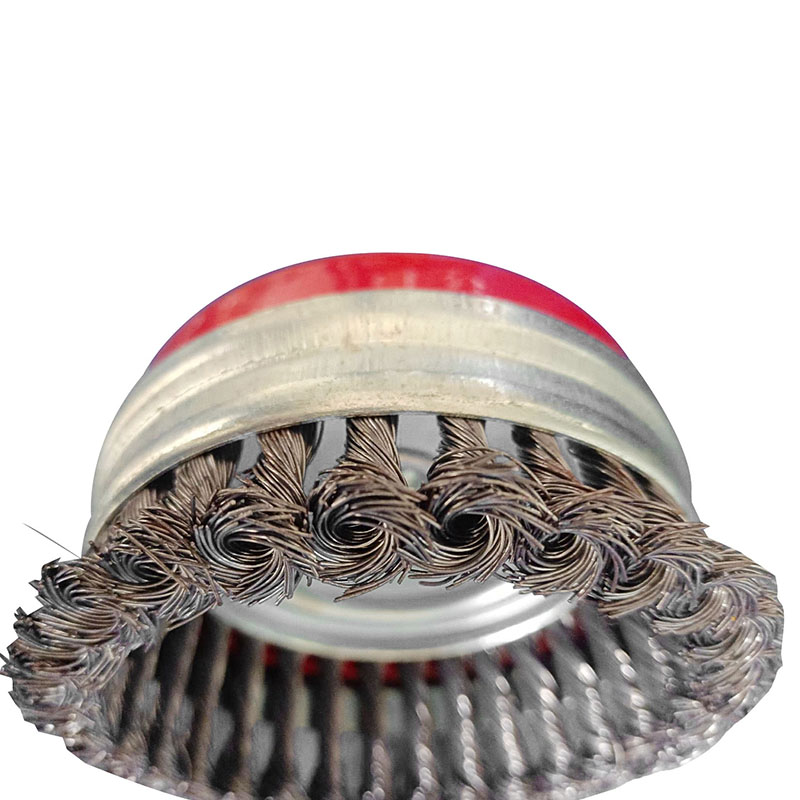
The Bowl Type Twisted Wire Brush is an industrial-grade cleaning tool designed for surface preparation, rust removal, an...
See Details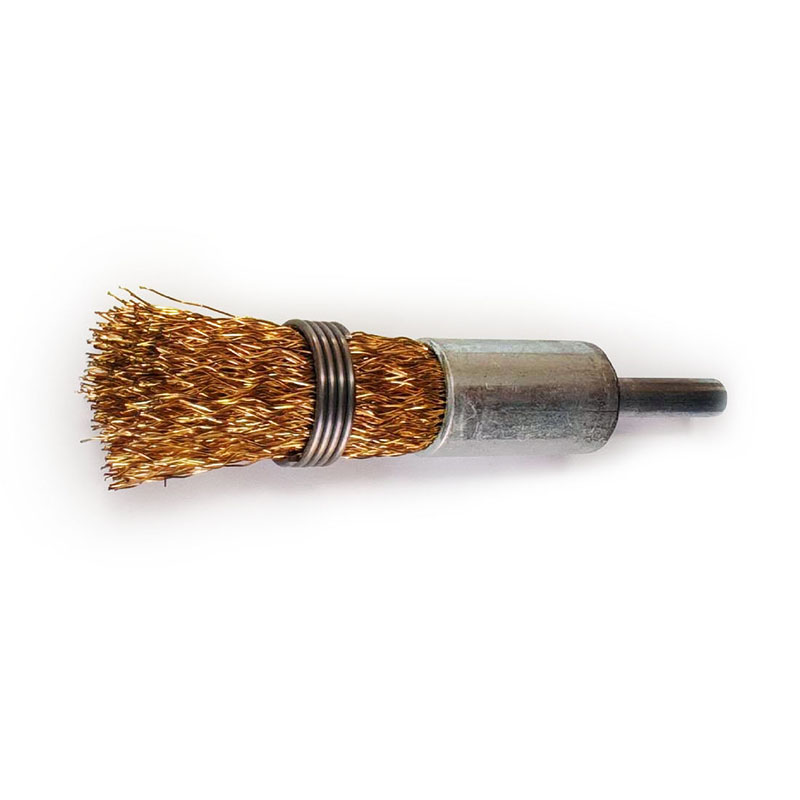
A polishing wire brush is an essential tool used in a variety of industries for achieving a smooth, polished surface on ...
See Details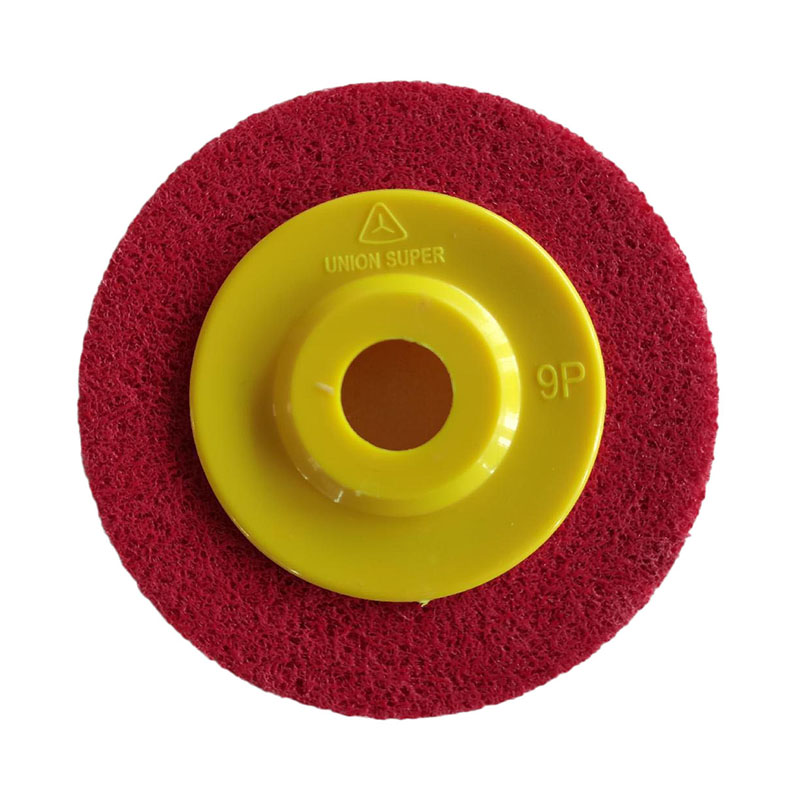
The Durable Non-Woven Fiber Wheel is an advanced tool designed for a variety of industrial surface finishing tasks. Craf...
See Details
We warmly welcome all industrial and trade companies, converters, abrasives and tool agents and distributors to join us, enjoy Tarun's platform, develop their own markets, and share world resources!
 Email:
 Phone:
+86-18867586928
 Address:
Xiaxichi Industrial Zone, Gushan Town, Yongkang City, Jinhua City, Zhejiang Province

Scan the QR code
Copyright © Yongkang Tarun Technology Co., Ltd.

Metal Processing Automatic Machine Factory

+86-18867586928


Contact Us