 English
 中文简体
中文简体 Español

Cat:Wire Wheel Brush
It is primarily used for cleaning, rust removal, polishing, and surface preparation. The bowl-shaped configuration of th...
See Details
Automation has become a significant force in modern manufacturing, with automation machinery and equipment playing a pivotal role in improving efficiency, reducing errors, and enhancing productivity. In this article, we will explore how these tools are transforming industries and their role in shaping the future of manufacturing.
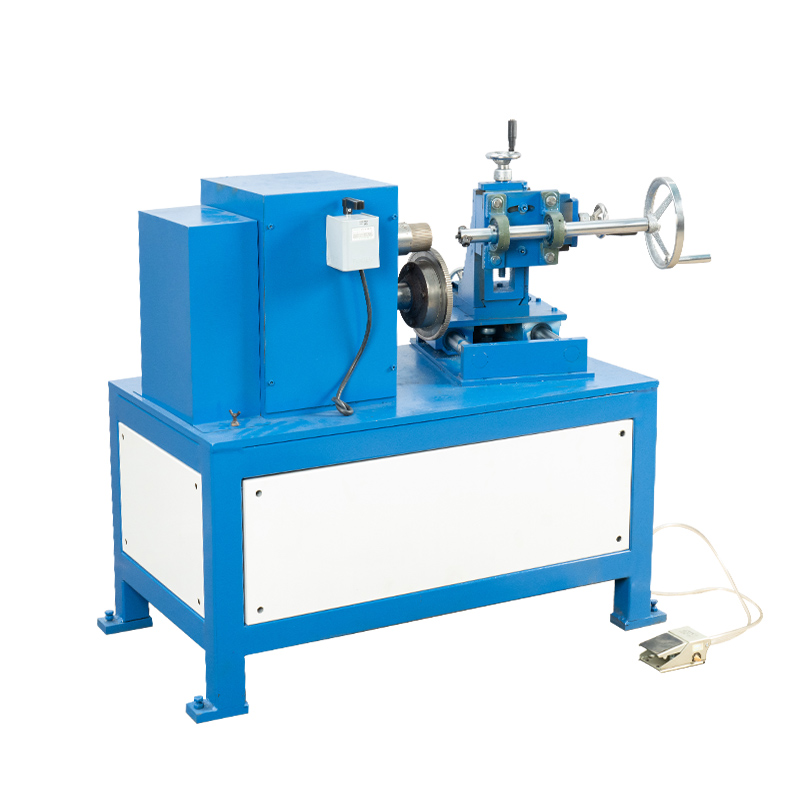
Automation machinery and equipment are designed to replace or enhance manual labor, significantly improving production processes. These tools are programmed to perform tasks with high precision and efficiency, reducing the need for human intervention. Industries across the globe rely on these systems for assembly lines, packaging, material handling, and more.
By automating repetitive tasks, manufacturers can optimize their workflow, decrease production time, and ultimately cut costs. The flexibility of automation machinery means that it can be tailored to different industries, from automotive to food processing, improving their respective production cycles.
One of the most significant benefits of automation machinery and equipment is the boost in productivity. Automated systems operate continuously, without the fatigue or breaks associated with human workers. This constant operation leads to higher output, particularly in industries where consistent quality and speed are crucial.
Additionally, automation machinery and equipment can handle tasks that would be difficult or dangerous for humans to perform. For example, in high-temperature environments or in hazardous material handling, automation can work in conditions that would be unsafe for human workers. As a result, businesses can maintain a steady pace of production, even under extreme conditions.
Yes, investing in automation machinery and equipment can significantly reduce manufacturing costs. By eliminating the need for manual labor in certain processes, businesses can lower wages and reduce errors that lead to material waste. Over time, these cost savings can outweigh the initial investment in automation.
Moreover, automation machinery and equipment often requires minimal maintenance once installed, which reduces the cost of upkeep. This is especially important in large-scale production settings where the continuous operation of machinery is critical. Businesses can also avoid the downtime associated with human labor, ensuring that production runs smoothly and efficiently.
Automation machinery and equipment can be classified into several categories, each designed for specific tasks in manufacturing:
Robotic Arms: These versatile machines are used for a variety of tasks, such as assembly, welding, packaging, and painting. Robotic arms are widely used in automotive manufacturing and electronics assembly.
Conveyor Systems: These systems are used for material handling, transporting goods between different stages of production without the need for manual labor.
Automated Packaging Machines: These machines are designed to package products in a variety of industries, from food and beverages to consumer electronics, ensuring consistent quality and speed.
CNC Machines: Computer Numerical Control (CNC) machines are used for precision manufacturing of parts and components, often in the automotive and aerospace industries.
Each type of automation machinery is tailored to specific manufacturing needs, offering unique advantages depending on the production environment and requirements.
While automation reduces the need for manual labor, it does not mean that jobs are entirely replaced. Automation machinery and equipment allow employees to focus on more complex and value-added tasks. Workers may operate, monitor, or troubleshoot automation systems rather than perform repetitive tasks.
However, this shift towards automation does require workforce adaptation. Employees must learn how to interact with automated systems, and companies may need to invest in training programs to upskill their workforce. As automation continues to grow, the demand for skilled workers in automation-related fields is increasing.
In the modern manufacturing landscape, automation machinery and equipment are no longer optional but essential for staying competitive. These tools offer numerous advantages, including increased productivity, cost reduction, and improved product quality. As industries continue to embrace automation, the future of manufacturing looks increasingly automated, offering exciting possibilities for businesses and workers alike.
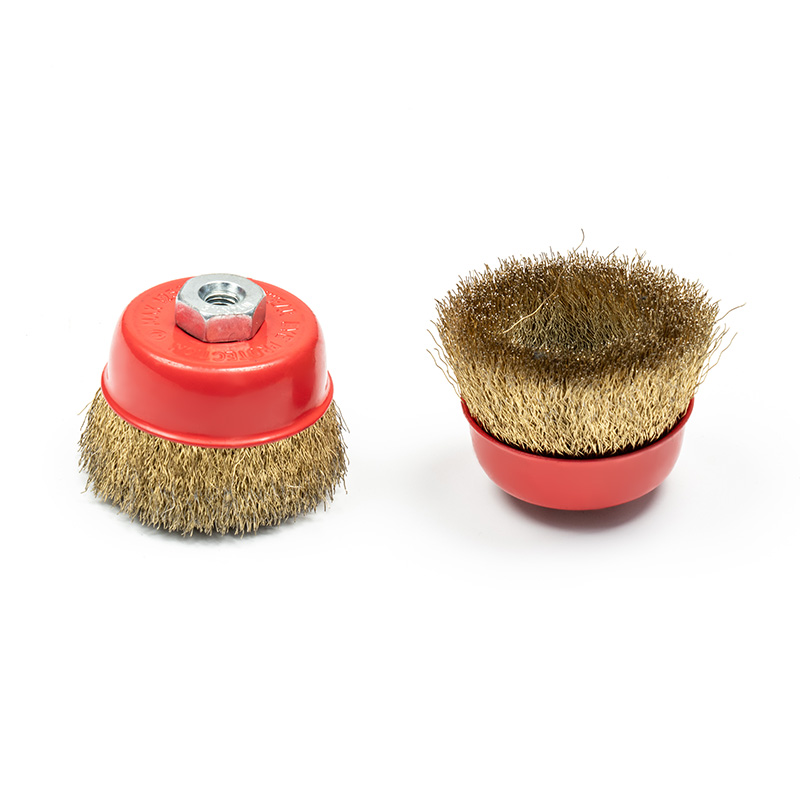
It is primarily used for cleaning, rust removal, polishing, and surface preparation. The bowl-shaped configuration of th...
See Details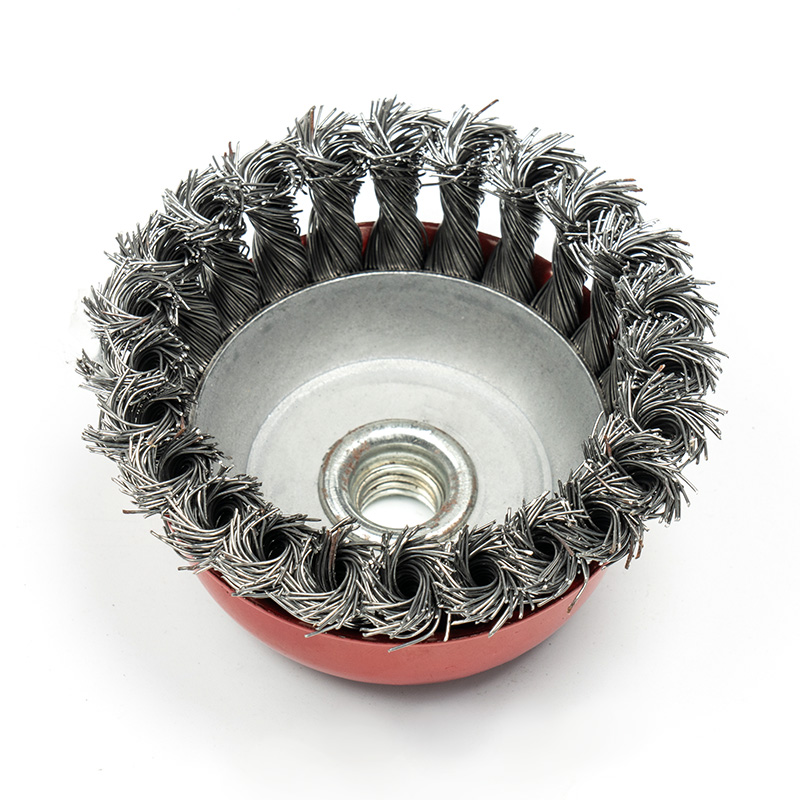
Featuring a bowl-shaped configuration and twisted wire bristles, this brush is suitable for industrial and automotive ap...
See Details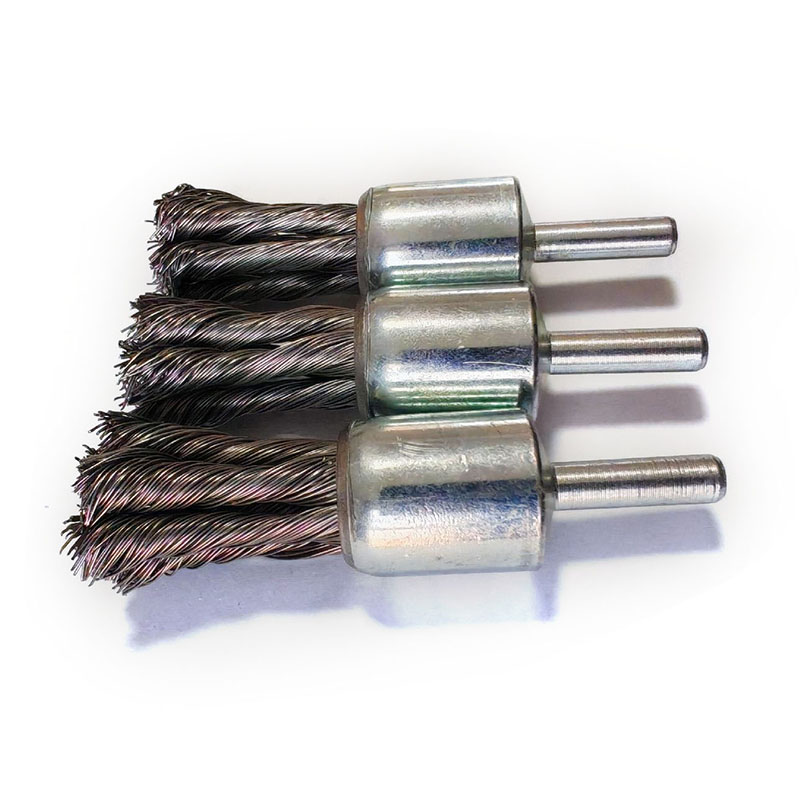
The pen-shaped twisted wire brush is a versatile, compact tool designed for cleaning, polishing, and surface preparation...
See Details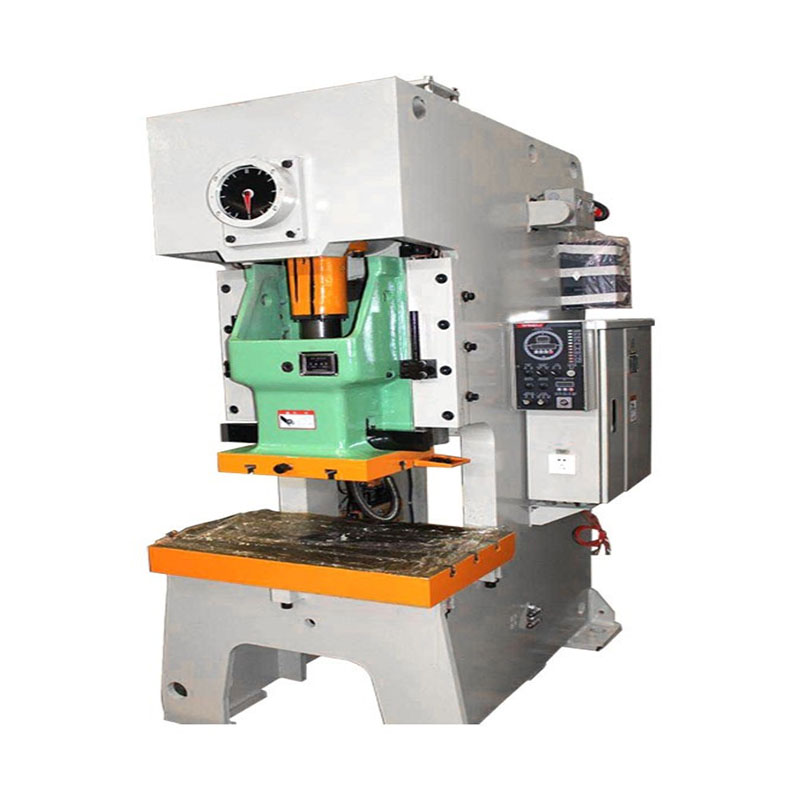
High-Performance Pneumatic PunchThe High-Performance Pneumatic Punch is a precision-engineered tool designed for high-sp...
See Details
We warmly welcome all industrial and trade companies, converters, abrasives and tool agents and distributors to join us, enjoy Tarun's platform, develop their own markets, and share world resources!
 Email:
 Phone:
+86-18867586928
 Address:
Xiaxichi Industrial Zone, Gushan Town, Yongkang City, Jinhua City, Zhejiang Province

Scan the QR code
Copyright © Yongkang Tarun Technology Co., Ltd.

Metal Processing Automatic Machine Factory

+86-18867586928


Contact Us