 English
 中文简体
中文简体 Español

Cat:Brush Making Machine
The Automatic Wire Cutting Machine is designed to streamline the process of wire-cutting, particularly in industries whe...
See Details
In many industrial environments, surface finishing and material treatment rely on equipment that can repeatedly produce stable tool structures without large variations. Brush based components and fiber wheel products are widely used in these processes, and their consistency depends heavily on how they are formed at the production stage.
Behind these products, mechanical systems take over tasks that used to depend on manual shaping. The shift toward machine based forming has made it easier to maintain repeatable structure, especially when large batches are required. Within this context, Brush Making Machinery plays a central role, while Non Woven Fiber Wheel Production Equipment is often positioned in related finishing material production lines.
In some manufacturing supply chains, development work linked with Yongkang Tarun Technology Co., Ltd. is part of the ongoing focus on improving structural stability and adapting production systems to different material behaviors.
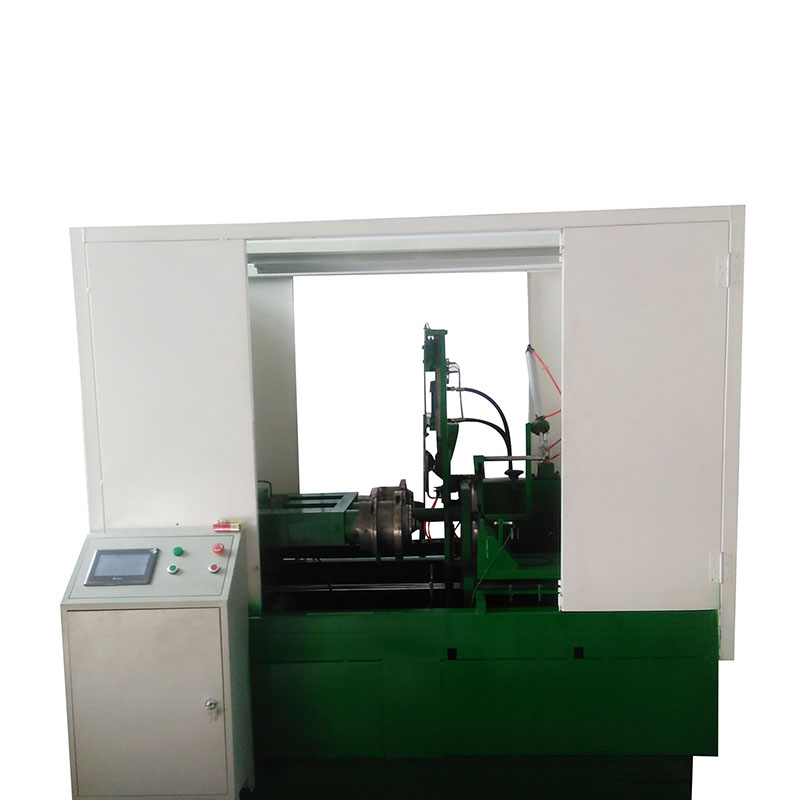
What Brush Making Machinery Is And Its Role In Industrial Production
Brush Making Machinery is used to form brush products by arranging and fixing filaments onto a base structure. The machine replaces manual insertion and shaping processes, allowing a more controlled and repeatable production method.
Instead of relying on individual handling, the system guides material through mechanical positioning, ensuring that each brush follows a similar structural pattern. The main function is not only to assemble components, but to control density, alignment, and anchoring of bristles in a consistent way.
In industrial settings, this type of machinery is often used where brushes are required in continuous supply. The process allows different shapes and sizes to be produced without changing the overall working principle.
Typical functions include:
The main idea behind this system is stability in repeated output rather than variation in manual handling.
In practical operation, Brush Making Machinery follows a series of linked stages. Although the exact structure may vary, the general flow remains similar across different setups.
Material is first placed into a feeding area where positioning begins. The machine then aligns the base structure so that bristles or filaments can be inserted at defined points. After insertion, the structure is fixed so that movement does not loosen the arrangement.
Once the basic form is completed, additional steps may adjust surface uniformity or shape consistency. This can include trimming or slight reshaping depending on the intended use of the brush.
A simplified view of the process can be described as follows:
During continuous operation, the machine repeats these steps with minimal interruption. The consistency of output depends more on material condition and mechanical alignment than on manual input.
Non Woven Fiber Wheel Production Equipment is designed to produce fiber based circular tools used in surface treatment processes. Unlike brush making systems, which focus on bristle structures, this equipment forms layered fiber wheels where material density and layering play a key role.
The structure of the equipment allows fibers to be arranged, compressed, and shaped into wheel forms that can later be used in polishing or surface cleaning environments.
Its role in industrial production is closely related to finishing operations, where controlled surface contact is required. The equipment does not work in isolation but is often part of a broader production chain involving material preparation and shaping stages.
Key characteristics of this equipment include:
Compared with brush forming systems, the output focuses more on surface contact behavior rather than filament structure.
In practical production environments, fiber wheel equipment is often placed within lines that handle surface finishing materials. These systems are not limited to a single industry but appear in different manufacturing settings where controlled abrasion or polishing is required.
Common integration points include:
In many cases, fiber wheel output is used as an intermediate product that later becomes part of larger assembly systems or manual tools.
The placement of this equipment within a production line depends on how surface treatment is structured. Some systems focus on continuous output, while others rely on batch based adjustment depending on material type.
Brush making systems are designed to handle variation in brush structure without changing the core working principle. Differences in final products come mainly from adjustments in material placement and density control.
Brush shapes can vary depending on how filaments are arranged during production. Straight arrangements produce more uniform surfaces, while angled or layered arrangements create different contact behaviors.
The machine allows adjustment in several key areas:
These adjustments allow a range of brush forms to be produced using the same general system.
Material choice has a direct impact on how both brush products and fiber wheels behave after formation. Different materials respond differently during shaping, especially under mechanical pressure and repeated insertion processes.
Some materials are more flexible and adapt easily during forming, while others maintain rigidity and require more controlled placement. The interaction between material and machine structure determines the final stability of the product.
| Material Behavior Area | Typical Response During Production | Effect On Final Structure |
|---|---|---|
| Flexibility Level | Easier shaping and adjustment | Smoother surface formation |
| Rigidity Level | Requires precise positioning | More defined structure |
| Wear Response | Changes during repeated use | Variation in durability |
| Density Behavior | Affects packing consistency | Stability of output form |
These differences are important when adjusting machine parameters for different product types.
Although Brush Making Machinery and Non Woven Fiber Wheel Production Equipment produce different types of products, they share certain structural ideas in how materials are shaped and controlled. Both rely on mechanical positioning and controlled material arrangement rather than manual forming.
The main difference lies in output purpose. Brush systems focus on filament-based structures, while fiber wheel systems focus on layered material density.
In some production environments, both systems may exist within the same facility, especially where surface treatment tools are produced in multiple formats. Material handling and preparation stages may overlap, even though final shaping processes differ.
In real workshop conditions, brush production and fiber wheel production usually do not run as isolated steps. The whole process behaves more like a continuous line, where one stage naturally follows another. Once material is loaded, most of the work is handled by the system itself, while operators mainly stay around for checking and small adjustments.
The first part is always material preparation. Filaments, fibers, or sheet materials need to be kept in a stable state before entering the machine. If the material is uneven at this point, it will often show later in the forming stage, either in density or in structure consistency.
After that, the equipment takes over. In Brush Making Machinery, the focus is on placing and fixing filaments into a base. In Non Woven Fiber Wheel Production Equipment, the process shifts more toward stacking and pressing fibers into a wheel shape. The movements are different, but the idea behind both is still controlled forming under mechanical guidance.
A simplified way to look at the flow is like this:
Between these steps, the machine usually runs continuously. Small changes are sometimes made during operation, but most of the time the system is expected to keep running without interruption.
Stability in production is rarely the result of one single factor. It usually comes from how different small conditions stay balanced over time. Even when the equipment itself does not change, variations in material or working environment can still affect the final result.
Material condition is often the first thing that shows its effect. If fibers or filaments are not consistent, the forming process will naturally respond differently. This can lead to small differences in density or surface structure, especially when producing large quantities.
Machine alignment is another factor that quietly affects output. Even a slight shift in positioning can change how material is placed or pressed. Over time, this may appear as uneven structure across products.
Other conditions that tend to influence stability include:
To make these relationships clearer, the table below gives a simple view of common conditions and their effects:
| Stability Factor | Typical Condition in Operation | Resulting Effect on Output |
|---|---|---|
| Material Consistency | Variation in fiber or filament form | Slight structural deviation |
| Machine Alignment | Small positioning shifts | Uneven forming pattern |
| Operation Cycle | Continuous repeated use | Gradual wear influence |
| Environmental Change | Temperature and humidity fluctuation | Adjustment in material response |
| Maintenance Condition | Cleaning frequency variation | Difference in smooth operation |
These influences usually do not stop production, but they slowly affect how uniform the output feels over time.
Products made through Brush Making Machinery and fiber wheel equipment are used in different working environments, but they often share a similar purpose related to surface contact.
Brush products are commonly used when directional contact is needed. They can be found in cleaning processes, guiding operations, and light surface handling tasks. Their structure allows them to adapt to different surface shapes without causing excessive wear.
Fiber wheel products are more often linked to surface finishing. Their layered structure creates controlled friction, which is useful when smoothing or refining surfaces during processing.
In practical use, both product types appear in environments such as:
Even though the functions differ slightly, both are closely connected to how surfaces are handled rather than how structures are built.
One of the practical points in these production systems is that they are not fixed in a single working mode. Adjustments are often made depending on material behavior, product type, or output requirements.
In brush production, adjustments are usually related to how dense the filaments are arranged, how they are positioned, and how the final shape is trimmed. Small changes in these areas can lead to noticeable differences in how the brush performs in use.
For fiber wheel production, flexibility is more connected to how layers are formed and compressed. Changing pressure or layering structure will directly influence how the wheel behaves during surface contact.
In actual factory use, operators usually adjust settings in a practical way rather than following strict formulas. Common adjustment points include:
This flexibility allows the same equipment to handle more than one product requirement, which is useful when production needs are not fixed.
Brush Making Machinery and Non Woven Fiber Wheel Production Equipment work in related areas of industrial manufacturing, even though their outputs are not the same. Both rely on controlled material shaping, where consistency depends more on process control than manual handling.
In real operation, stability comes from how well material condition, machine alignment, and working environment stay balanced together. When these elements are in sync, production tends to remain steady across different batches without major variation.
Over time, these systems have become part of a wider production approach where flexibility and repeatability are both needed. Instead of focusing on a single function, the value lies in how they adapt to different materials while still keeping a predictable structure in the final output.
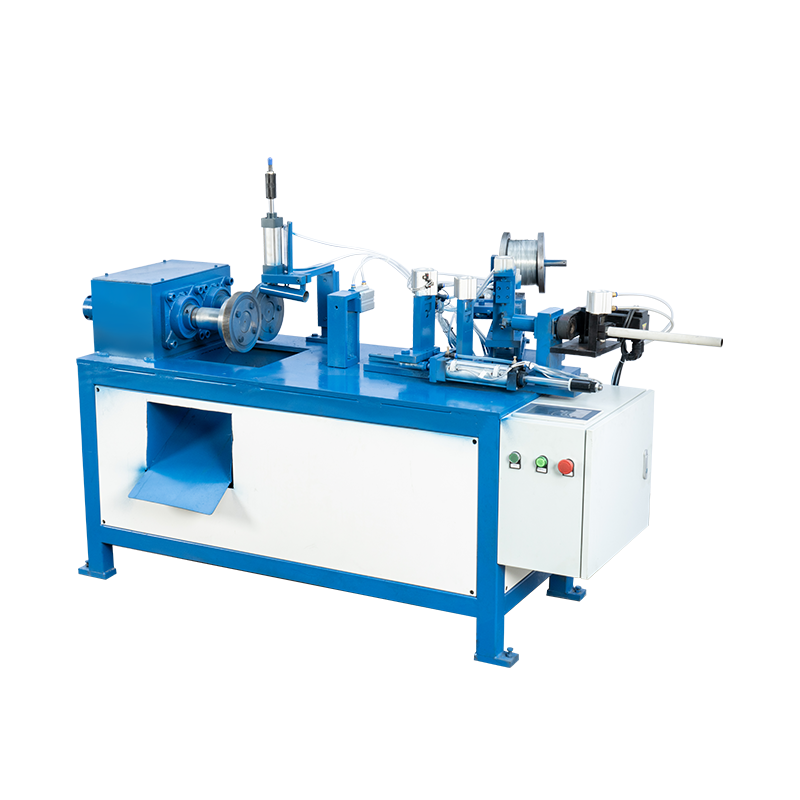
The Automatic Wire Cutting Machine is designed to streamline the process of wire-cutting, particularly in industries whe...
See Details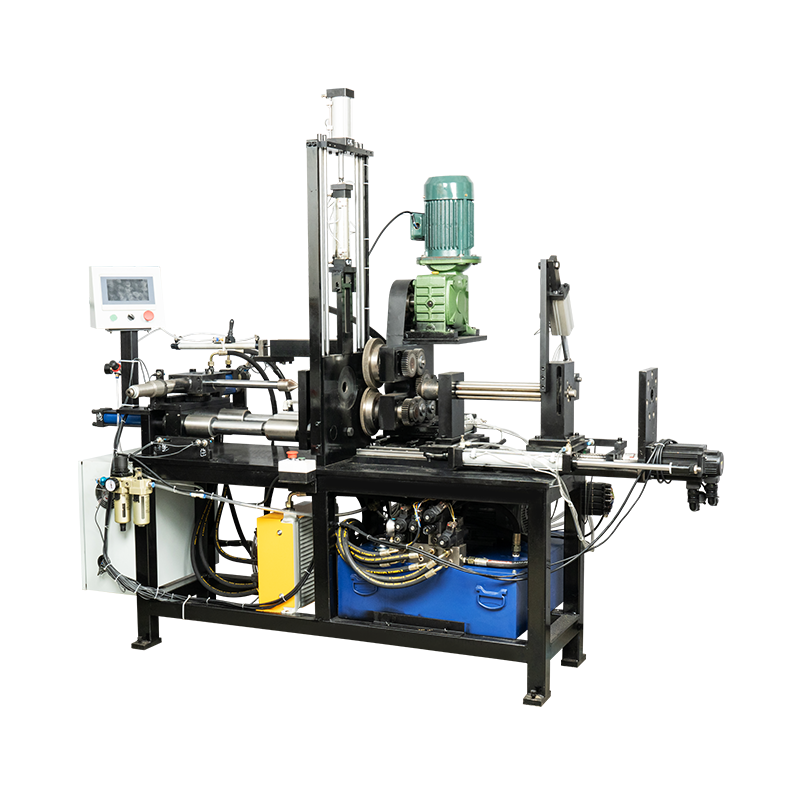
The Curved Brush Chip Cleaning Machine is engineered to solve common challenges in chip manufacturing, where cleanliness...
See Details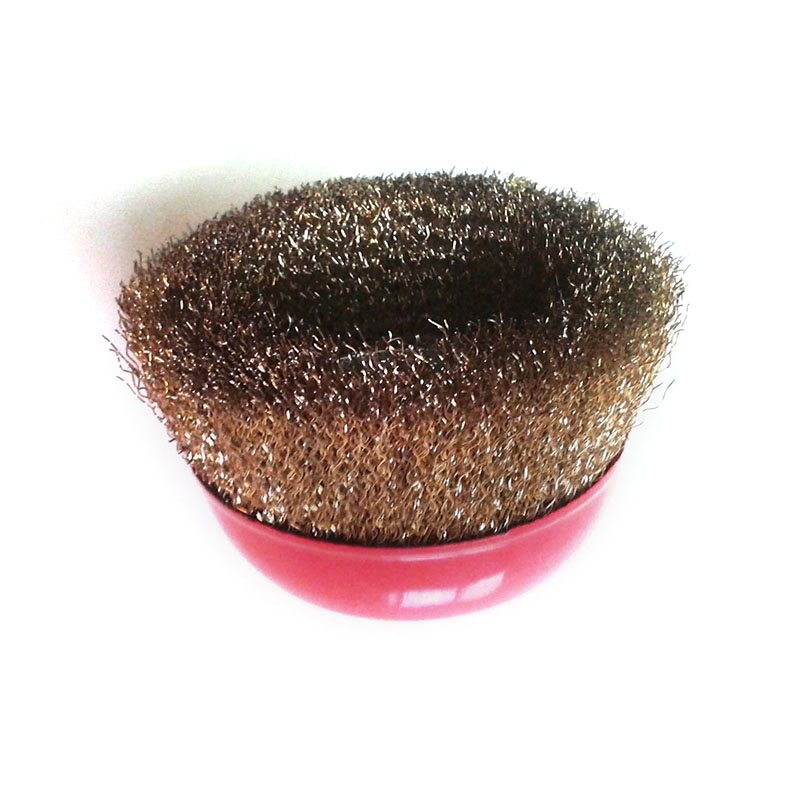
The Bowl Wire Brush is a versatile and durable cleaning tool designed for various surface preparation tasks, including r...
See Details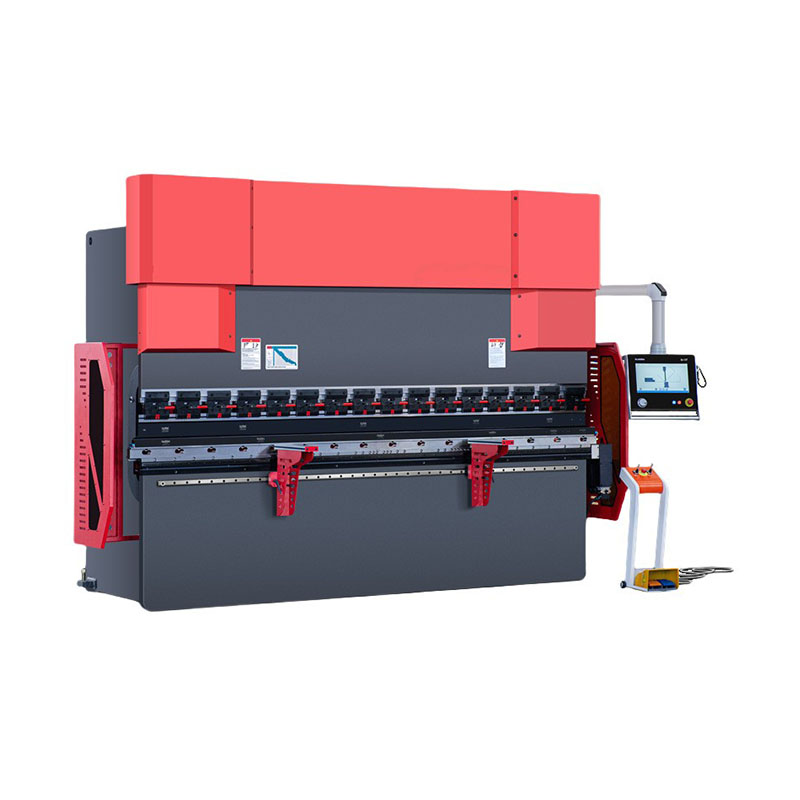
A Precision CNC Bending Machine is a state-of-the-art piece of equipment designed for accurate and efficient metal sheet...
See Details
We warmly welcome all industrial and trade companies, converters, abrasives and tool agents and distributors to join us, enjoy Tarun's platform, develop their own markets, and share world resources!
 Email:
 Phone:
+86-18867586928
 Address:
Xiaxichi Industrial Zone, Gushan Town, Yongkang City, Jinhua City, Zhejiang Province

Scan the QR code
Copyright © Yongkang Tarun Technology Co., Ltd.

Metal Processing Automatic Machine Factory

+86-18867586928


Contact Us