Walk through a non-woven fiber wheel workshop during a busy shift, and you may notice something that production figures do not always show. One worker is preparing material, another is waiting for the previous batch, and a machine sits idle because the next operation is not ready. Nobody is necessarily working slowly. The problem is that the jobs do not always line up.
This is one reason manufacturers look at automation. They want to spend less time on repeated manual work, keep orders moving, and avoid preventable production delays. But buying machinery does not automatically fix a crowded workflow. The equipment has to suit the materials, the products, and the way the factory handles orders.
For non-woven fiber wheel manufacturers, the most useful changes often begin with one specific task rather than a complete production line.
The Real Production Problem May Be Between Machines
Factories often focus on the time required to complete an operation. Cutting takes a certain amount of time. Adhesive application takes another amount. Yet the hours spent moving materials, preparing the next batch, and waiting for another workstation can be just as important.
Take a workshop where cutting is no longer the slowest part of production. Installing a faster cutting machine may increase the amount of material processed at that station, but the benefit will be limited if workers cannot prepare material quickly enough or the next operation is already overloaded.
The same problem appears when unfinished products are moved manually from one area to another. Workers spend time carrying and arranging material instead of preparing orders or checking the work.
Before choosing an automated machine, it helps to follow one batch from its first operation to the finished product. Record where it waits, where workers repeat the same movements, and where errors require work to be done again. These observations can reveal a more useful investment than a general plan to automate the workshop.
Three Areas Where Automation Can Change Daily Work
Not all production tasks need the same equipment. For one factory, adhesive application may be difficult to control consistently. Another may spend too much time on cutting or material handling.
Adhesive Application Needs More Than Speed
The amount and distribution of adhesive can affect how materials bond during production. When application relies heavily on manual handling, differences between operators or batches may create additional checks and rework.
An automated gluing machine can help repeat the application process. Operators still need to monitor adhesive condition, material compatibility, and equipment settings. If the material changes or the setup is unsuitable, automation will not correct the underlying problem by itself.
Buyers should therefore ask how the machine applies adhesive, which adjustments are available, and what routine checks are required. A demonstration with the intended material can be more informative than a general equipment description.
Cutting Equipment Should Match the Products Being Made
Cutting requirements vary with the shape, size, and material used for a particular wheel. A suitable automated cutting machine can reduce repeated manual movements and help operators produce pieces more consistently.
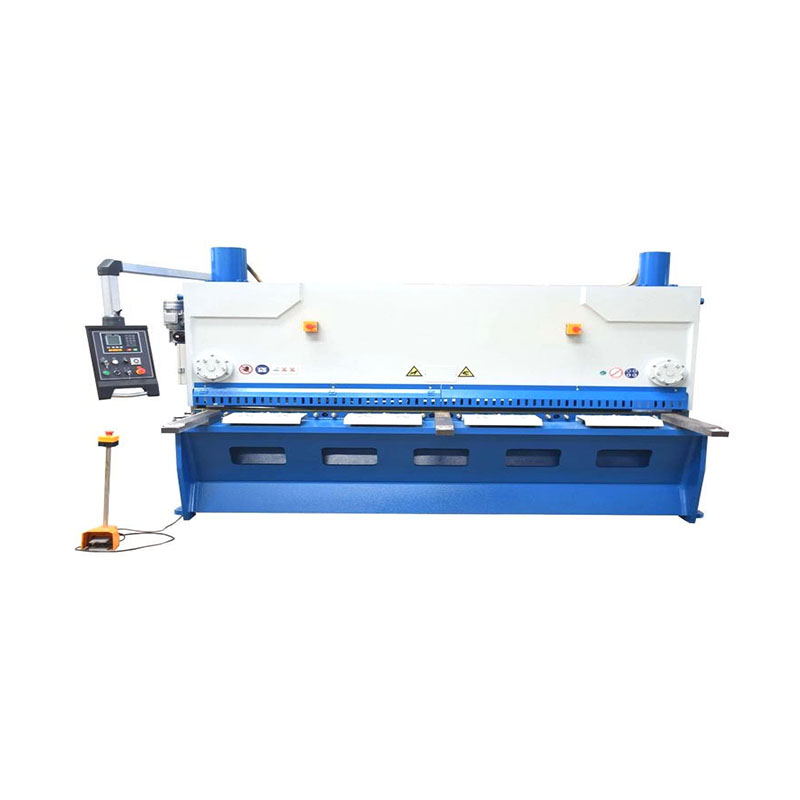
A CNC hydraulic cutting machine may be worth considering when its capabilities match the factory's requirements. However, the purchase decision should account for more than cutting speed. Material positioning, setup changes, tool maintenance, and operator training also affect how the machine performs during a normal shift.
A factory producing one product in large batches may have different priorities from one changing specifications throughout the day. The machine needs to work well under the conditions the factory actually faces.
Material Handling Can Quietly Consume Working Hours
Moving materials between operations may seem like a minor task, especially when each trip takes only a short time. Across a full shift, repeated carrying, positioning, and sorting can take workers away from other duties.
Depending on the workshop layout, automated feeding or transfer equipment may reduce some of this work. In other cases, moving two workstations closer together or changing the way batches are prepared may be enough.
The important point is to examine the whole route. A machine that processes material faster will not necessarily improve finished output if the next operation cannot keep up.
Frequent Order Changes Put Equipment to the Test
A machine may perform well during a long run of identical products. Its value becomes less straightforward when operators need to change settings for another size or specification.
Every changeover can involve preparing materials, adjusting the setup, and checking the first pieces. If a factory handles several small orders in one shift, these activities take up part of the time available for production.
When comparing machines, ask the supplier to explain the changeover process. Which settings can operators adjust themselves? How much preparation is normally required? Does changing products involve additional tools or components? These details can influence daily output as much as the machine's operating speed.
There is also little value in paying for functions that the factory rarely uses. A complicated machine may suit a high-volume operation but create unnecessary work in a small workshop with varied orders. Straightforward controls and manageable setup procedures may be more useful for that business.
What Should Manufacturers Measure Before and After Installation?
A factory does not need a complicated analysis to judge whether new equipment is helping. A few consistent records can provide a clearer picture of what has changed.
Start with the current process. Note how long the target task takes, how often material waits between operations, how much rework occurs, and how many workers are involved. After installing the equipment, collect the same information under comparable production conditions.
| Measure |
Why It Matters |
| Time spent on each batch |
Shows whether the targeted operation takes less time. |
| Waiting between operations |
Reveals whether the workflow has become better coordinated. |
| Rejected or reworked pieces |
Helps identify changes in product consistency. |
| Time spent on manual handling |
Shows whether workers have less repetitive work. |
| Changeover duration |
Indicates how well the machine suits different orders. |
| Maintenance and downtime |
Shows the effect of interruptions on production. |
Consider the results as a whole. A cutting machine might process material faster but leave the following station with more unfinished work. A gluing machine might reduce manual effort but require more attention during setup. Both examples show why one production figure cannot tell the full story.
The cost calculation needs the same care. Purchase and installation expenses are only part of the investment. Training, routine maintenance, spare parts, and possible layout changes also affect the cost of using the equipment over time.
Before Placing an Order, Discuss the Work the Machine Must Do
Equipment specifications are useful, but they do not answer every practical question. Buyers need to confirm that the machine is suitable for their materials and can be operated and maintained under their working conditions.
A supplier discussion should cover:
- The types of non-woven materials and products the machine can handle.
- The adjustments required when product specifications change.
- The installation space and operating conditions.
- Routine cleaning, maintenance, and replacement parts.
- Operator training and technical support after installation.
- The machine's actual functions and any additional equipment required.
Where possible, ask for a demonstration using representative materials. This gives the buyer an opportunity to observe the setup, material handling, and finished output rather than relying only on general claims.
The workshop layout also deserves attention. Operators need access to the machine, materials must reach the correct workstations, and maintenance should be possible without disrupting the surrounding area. These details are easy to overlook when a purchase decision focuses mainly on the equipment itself.
Full Automation Is Not the Only Option
Some manufacturers may eventually connect several production stages, while others may need only one or two machines to address their main difficulties.
A factory struggling with manual cutting can evaluate cutting equipment first. If adhesive application is causing repeated quality concerns, a gluing machine may be a more relevant investment. Where delays mainly come from moving material, changing the workshop layout could be worth considering before buying additional machinery.
Starting with one operation also gives the factory a chance to learn how the new equipment affects production. Operators can become familiar with the controls, maintenance routines can be established, and actual results can guide the next decision.
There is no need to automate a task simply because a machine is available for it. The investment should address a problem that matters to the business.
Choosing Automation for Non-Woven Fiber Wheel Production
Automation can reduce repeated manual work, help maintain more consistent processing, and make material movement easier to manage. The results depend on the production requirements, the machine's capabilities, and how well the equipment fits the existing workflow.
When evaluating a non-woven fiber wheel production machine, manufacturers should begin with the products they make and the difficulties they encounter during a normal shift. From there, they can compare suitable equipment, discuss material compatibility with suppliers, and consider operating and maintenance costs.
A useful purchase is not necessarily the machine with the most functions or the fastest stated operating speed. It is the one that addresses a real production need and can be used reliably by the people working in the factory.
 English
 中文简体
 Español



 Email:
 Phone:
 Address:



Contact Us