Buying a Non-Woven Fiber Wheel Production Machine is not always as straightforward as it sounds. A factory may already produce non-woven abrasive wheels but need to improve one part of the process. Another business may be preparing to manufacture these products for the first time and still be working out how the production line should be arranged. Although both buyers are looking for similar equipment, their requirements can be quite different.
That is why it helps to look at the products and the work involved before comparing machines. A machine may sound suitable in a product catalogue, but the real question is whether it can handle the materials, operations, and product designs involved in your business.
What Does Your Factory Need to Produce?
Before contacting a supplier, take a look at the wheels you intend to make. Their construction and intended use can affect how the manufacturing process needs to be organized.
Some manufacturers work with a relatively consistent product range. Others receive orders for different wheel designs and need to adjust their production process more often. A setup that works well for repeat orders may not be convenient when products change regularly.
It is worth gathering a few actual product samples, along with drawings or photographs where available. If you are developing a new product, explain what you want the finished wheel to look like and what materials will be involved. This gives the equipment supplier something concrete to work with.
The same applies to production plans. A business expanding an existing range may only need to improve a particular operation. A new manufacturer, on the other hand, may need to consider several stages together, including how materials enter the process and how finished products move out.
These details can change the equipment recommendation. Without them, a discussion can easily become a comparison of machine names rather than a useful assessment of what the factory needs.
Look at the Process Before Choosing Individual Machines
Non-woven fiber wheel manufacturing can involve several operations, depending on the product construction and the methods used by the manufacturer. Material preparation, bonding, cutting, and subsequent inspection may all form part of the workflow.
The important point is that these operations do not work in isolation. A delay at one stage can affect the work waiting behind it, even when the other machines are operating normally.
Where Does Bonding Fit Into the Process?
For production methods that require adhesive application or bonding-related work, a Nonwoven Gluing Machine may be one of the equipment options to evaluate.
However, the machine name alone does not establish whether it suits a particular application. The material, product structure, and bonding method all need to be discussed. Manufacturers should also consider how the material will be prepared before entering the machine and handled afterward.
This is particularly relevant when a factory is adding equipment to an existing workshop. The new machine needs to fit into the process already in use, rather than create another stage that requires unnecessary handling.
What About Cutting?
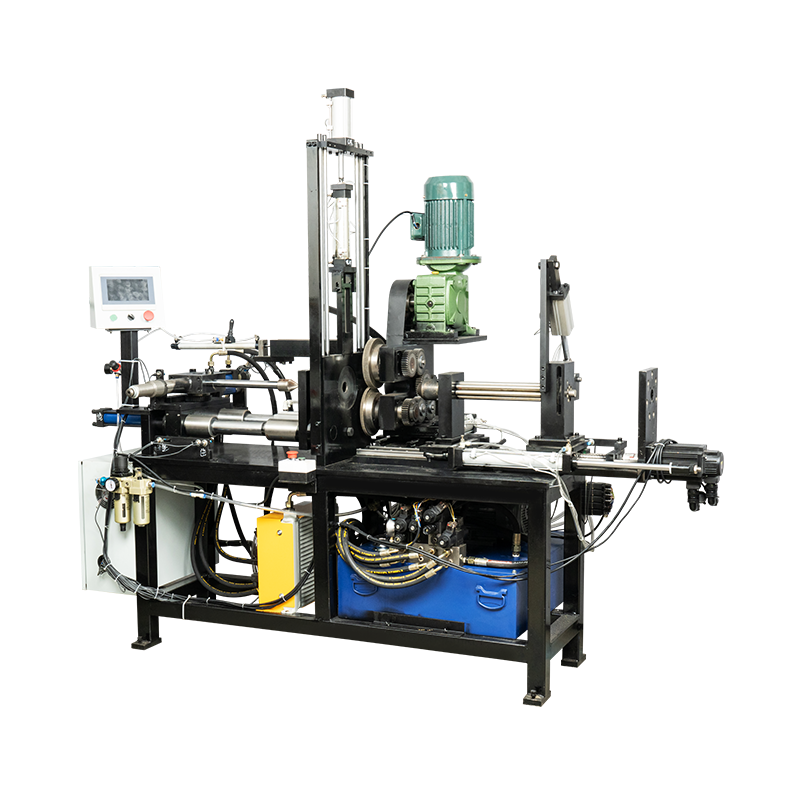
Cutting requirements can vary with the shape and construction of the finished wheel. A CNC Hydraulic Cutting Machine may be worth considering when its cutting method and control system match the intended work.
Before making a decision, discuss the actual products with the supplier. Product samples and drawings can help clarify what the machine needs to process. It is also useful to understand how operators will handle different product designs and what adjustments may be required when switching between jobs.
For a factory with a varied order book, these everyday tasks matter. A machine may suit one product well, but frequent changes in product design can introduce different demands on the setup and operating process.
The aim is to find equipment that works within the full production arrangement, not simply to select a machine for each individual task.
Replacing One Machine Is Different From Setting Up a New Line
An established factory usually has some experience to draw on. Operators know which stages run smoothly, where work tends to accumulate, and which parts of the process still require considerable manual effort. That information is useful when deciding what to buy.
Suppose a workshop is satisfied with its current material preparation and finishing arrangements, but one processing stage struggles to keep pace with incoming orders. Replacing or upgrading that stage may be more practical than changing the entire line. This approach still requires a compatibility review, but it gives the project a clearer purpose.
A new factory has a different set of decisions to make. There may be no existing production arrangement to build around, so the relationship between machines becomes more important. Material movement, working space, operator access, and supporting facilities all need to be considered together.
Neither situation calls for the same purchasing plan.
Before committing to an equipment change, look at the problem the investment is supposed to address. Is the factory trying to introduce a new product, handle more varied orders, reduce repeated manual work, or replace equipment that no longer fits its production needs? Each goal points toward a different discussion with the supplier.
It is also worth thinking about the next stage of the business. If the product range is likely to change, equipment selection should take those plans into account. That does not mean buying a larger or more complicated setup than the factory currently needs. It means understanding which requirements are fixed and which may change.
Automation Is Only Useful When It Solves a Real Problem
Automation often attracts attention during equipment research, but the label does not tell a buyer enough about how a machine will work in the factory.
What matters is the actual division of work between the machine and the operator. Materials may still need to be loaded manually, product settings may need adjustment, and finished items may require handling after processing. The details depend on the equipment configuration and the manufacturing method.
For manufacturers producing similar products repeatedly, reducing repetitive handling may be an important consideration. Businesses dealing with frequent product changes may be more concerned about setup procedures and the time needed to switch from one job to another.
It helps to ask a supplier to explain a normal operating cycle. How does the material enter the machine? What does the operator need to do during processing? What happens when the product changes? Which tasks remain manual?
These questions give a more realistic picture than a general description of automation.
There is also the question of staff experience. New equipment may require operators to learn different controls or follow revised working procedures. Routine maintenance and access to service support should be discussed before installation, particularly if the factory has limited experience with this type of machinery.
A workable machine is one that employees can operate as intended and that fits the way the workshop actually runs.
What Should Be Included in the Equipment Budget?
The purchase price is an obvious part of the calculation, but it does not always represent the full cost of putting equipment into production.
Tooling, accessories, installation, training, and supporting equipment may need to be considered separately. The factory may also need to prepare the installation area or adjust the way materials move through the workshop. Which expenses apply will depend on the proposed configuration.
Maintenance deserves attention, too. Buyers should understand the routine work involved, what replacement parts may be needed, and what technical support the supplier can provide. These details help the factory plan for continued use rather than focus only on the delivery date.
When comparing quotations, check that the proposed machines cover the same requirements. One offer may include accessories or installation support that another lists separately. A lower initial price is difficult to evaluate fairly without understanding these differences.
Here is a practical comparison list:
| What to Check |
Why It Matters |
| Included Machine Functions |
Shows which production tasks the equipment is intended to handle. |
| Product and Material Compatibility |
Helps establish whether the proposed setup suits the planned products. |
| Tooling and Accessories |
Clarifies what is included in the quotation. |
| Installation Requirements |
Identifies work that may need to be arranged at the factory. |
| Operator Training |
Helps prepare staff for the new working process. |
| Maintenance and Service |
Provides a clearer picture of ongoing responsibilities. |
| Future Product Changes |
Helps determine whether the setup fits the factory's plans. |
A quotation should leave the buyer with a clear understanding of what is being supplied and what still needs to be arranged. If an important detail is unclear, it is better to settle the question before placing an order.
Give the Supplier Enough Information to Make a Useful Recommendation
A short inquiry such as asking for the price of a machine may be enough to start a conversation, but it rarely explains the full application.
A more useful inquiry describes the products, the materials, and the production work the equipment is expected to perform. Samples, drawings, or photographs can help where product details are difficult to explain in words.
If the factory already has machinery, describe the existing process and explain why additional equipment is being considered. If the project involves a new workshop, outline the operations that need to be covered. It is also helpful to mention any known limitations, such as available floor space or the need to process several product designs.
You do not need to have every technical detail settled before contacting a manufacturer. Some requirements may only become clear during the discussion. The purpose of the initial information is to give both sides a reasonable starting point and identify what needs further checking.
For buyers comparing several suppliers, using the same product information and production requirements for each inquiry also makes the replies easier to evaluate.
Questions Buyers Commonly Ask
Can One Machine Complete the Entire Manufacturing Process?
That depends on the equipment design and the production method. Some machines are intended for specific operations, such as bonding or cutting. Buyers should confirm which tasks are included and whether other machines or manual operations will be needed.
Can a New Machine Work With Existing Equipment?
Possibly, but the production arrangement needs to be reviewed. Material transfer, available space, operating procedures, and compatibility between processing stages can all affect whether the equipment can be integrated successfully.
What Information Should Be Prepared Before Requesting a Quotation?
Start with product samples or drawings, material details, and a description of the current or planned process. Explaining why the equipment is needed will also help the supplier understand the application.
Should a Factory Choose Equipment Based on Future Production Plans?
Future plans are worth discussing, especially if new product designs are under development. However, the proposed configuration should still reflect the factory's actual requirements. Buyers need to balance likely changes with the cost and complexity of the equipment.
Making a Practical Equipment Decision
There is no single machine arrangement that suits every non-woven fiber wheel manufacturer. The decision depends on the products, the operations involved, the equipment already available, and the direction of the business.
Yongkang Tarun Technology Co., Ltd. offers equipment options including Nonwoven Gluing Machines and CNC Hydraulic Cutting Machines.
Before making a purchase, put the production requirements into writing and discuss them with the supplier. A clear understanding of the work to be done, the equipment's intended role, and the arrangements needed at the factory will make the decision more grounded in actual production needs.
 English
 中文简体
 Español



 Email:
 Phone:
 Address:



Contact Us