 English
 中文简体
中文简体 Español

Cat:Wire Wheel Brush
Made from twisted wire filaments, this brush is used extensively in industrial and maintenance applications for tasks th...
See Details
Non-woven fiber wheel production equipment plays a crucial role in creating high-quality abrasive products used in various industries, from automotive to manufacturing. This equipment uses specialized processes to form non-woven fiber wheels, which are essential for grinding, polishing, and finishing tasks. Understanding how this machinery works is key to appreciating its importance in modern industrial operations.
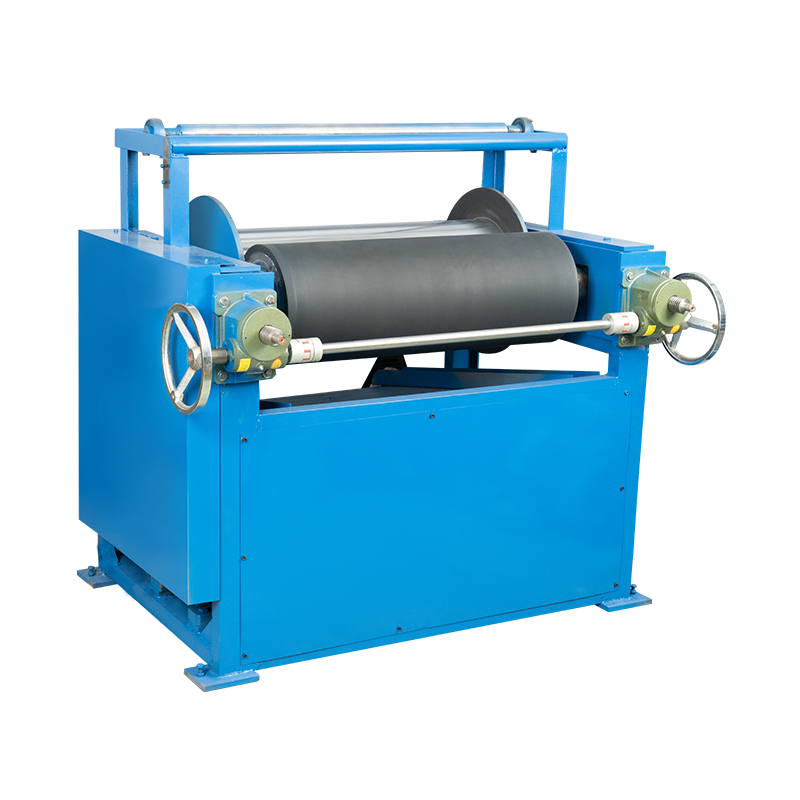
The production of non-woven fiber wheels starts with the careful selection of materials. Non-woven fiber wheel production equipment combines fibers such as nylon, polyester, and other synthetic materials, which are then processed into dense, durable sheets. These sheets are layered and bonded together with a resin matrix to create a uniform wheel.
Once the fiber wheel is formed, the equipment helps shape and finish the wheel to meet precise specifications. Depending on the application, the wheels may be fine-tuned to provide specific levels of abrasiveness, flexibility, and strength. The versatility of non-woven fiber wheel production equipment allows for the production of wheels that cater to different industrial needs.
Non-woven fiber wheels, produced using specialized non-woven fiber wheel production equipment, offer numerous advantages in industrial applications. One of the primary benefits is their ability to perform a variety of functions in a single product. These wheels are commonly used for:
Deburring: The abrasive fibers effectively remove burrs and imperfections from metal surfaces.
Polishing and Finishing: Non-woven wheels provide smooth finishes on metals, plastics, and composites.
Surface Preparation: These wheels are used to clean and prepare surfaces for further processing, such as painting or coating.
The durability and flexibility of non-woven fiber wheels make them ideal for use in industries like automotive, aerospace, and general manufacturing. Their ability to perform both light and heavy-duty tasks ensures that the production process remains efficient and cost-effective.
Non-woven fiber wheel production equipment plays a significant role in boosting productivity in manufacturing environments. By automating the process, it allows for the consistent production of high-quality wheels with minimal human intervention. This means companies can scale up production without compromising on quality, meeting increasing demand with greater efficiency.
Furthermore, the precise control offered by the equipment means that there is less waste and fewer errors in the manufacturing process. This results in higher yields and more consistent product quality. Whether producing small or large batches, non-woven fiber wheel production equipment helps maintain production rates without sacrificing product integrity.
When selecting non-woven fiber wheel production equipment, there are several important factors to consider. These factors can greatly affect the quality of the product and the overall efficiency of the manufacturing process.
Material Compatibility: The equipment should be able to handle the types of fibers and resins required for your specific product.
Production Capacity: Depending on your production needs, choose equipment that can scale with demand. High-output machines are essential for large-volume manufacturers.
Automation Features: Advanced machines with automation features can help improve consistency and reduce the need for manual labor.
Customization Options: Some production equipment offers customization features to produce wheels with specific characteristics such as different abrasiveness levels.
By carefully evaluating these factors, manufacturers can select the right non-woven fiber wheel production equipment for their needs and optimize their production processes.
In addition to improving productivity, non-woven fiber wheel production equipment also contributes to cost efficiency. By automating processes such as fiber layering, bonding, and shaping, manufacturers can reduce the labor costs associated with traditional production methods. This leads to lower overall manufacturing costs.
The equipment's high precision also minimizes waste, as products are made to exact specifications, reducing the need for rework or scrapping. Furthermore, the ability to produce consistent, high-quality wheels in large quantities means that manufacturers can take advantage of economies of scale, further driving down unit costs.
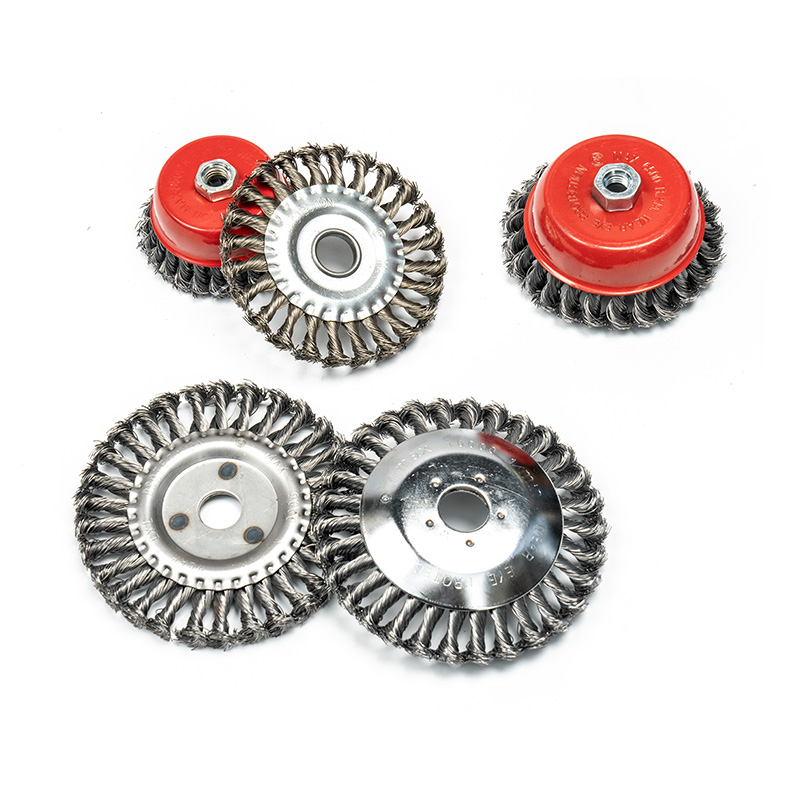
Made from twisted wire filaments, this brush is used extensively in industrial and maintenance applications for tasks th...
See Details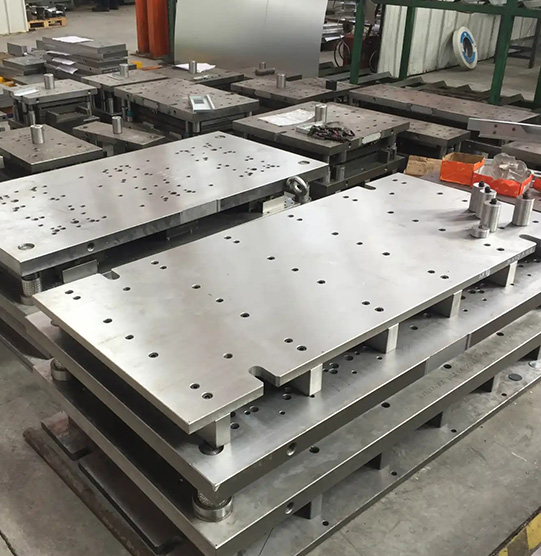
A progressive stamping die is a highly specialized tool used in the stamping industry to produce large quantities of par...
See Details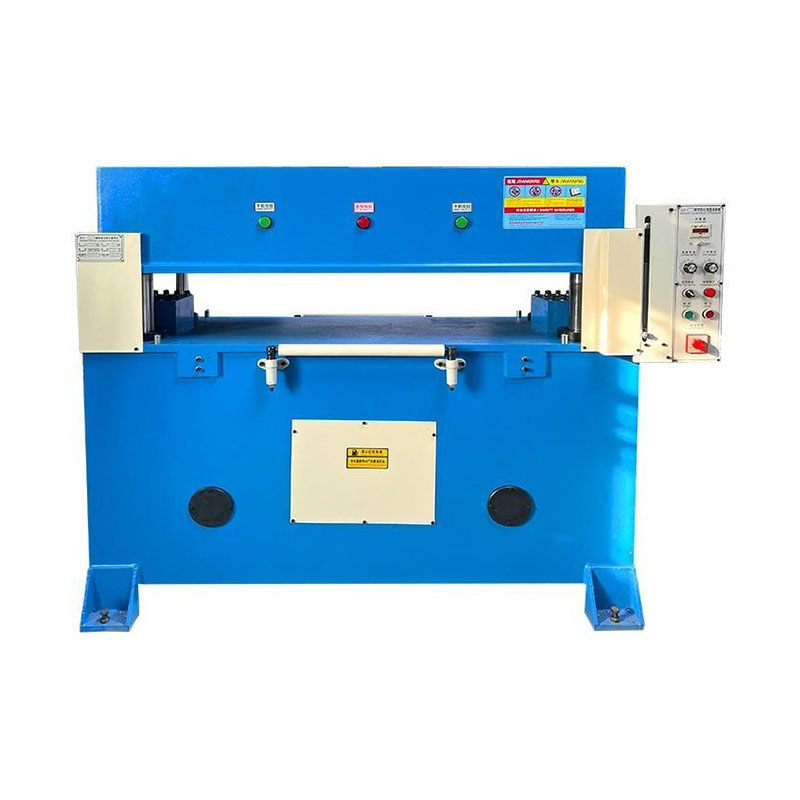
The CNC hydraulic cutting machine is a highly efficient, automated system designed to provide precision cutting for vari...
See Details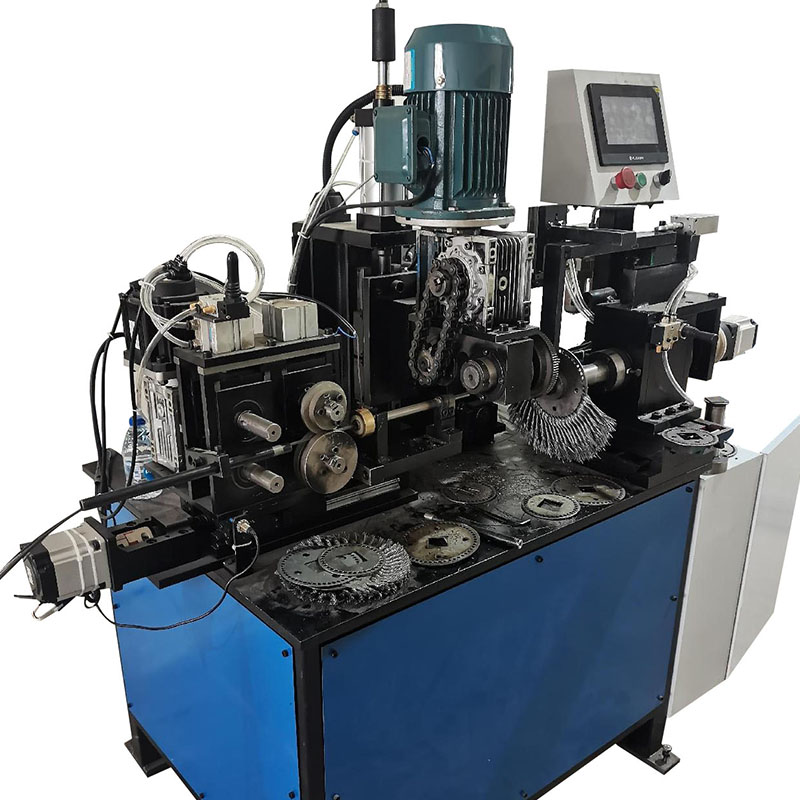
The Metal Material Twisting Wire Machine is a specialized industrial tool designed to twist and shape metal wires into v...
See Details
We warmly welcome all industrial and trade companies, converters, abrasives and tool agents and distributors to join us, enjoy Tarun's platform, develop their own markets, and share world resources!
 Email:
 Phone:
+86-18867586928
 Address:
Xiaxichi Industrial Zone, Gushan Town, Yongkang City, Jinhua City, Zhejiang Province

Scan the QR code
Copyright © Yongkang Tarun Technology Co., Ltd.

Metal Processing Automatic Machine Factory

+86-18867586928


Contact Us