 English
 中文简体
中文简体 Español

Cat:Wire Wheel Brush
Twisted Wire Cup Wire Brush: Robust Cleaning and Surface Preparation Tool The twisted wire cup wire brush is a versatile...
See Details
A wire wheel brush is an industrial cleaning and surface preparation tool constructed from hundreds of individual steel, brass, or nylon filaments secured to a central hub. The manufacturing process begins with high-tensile wire, which is drawn to a specific diameter and cut to precise lengths. These filaments are then bundled and anchored into pre-drilled holes in a steel or aluminum hub using a technique called "stapling" or "anchoring," where the wire ends are folded and crimped under immense pressure. Alternatively, for some designs, the wires are secured by being embedded in a resin or rubber base during a molding process. The hub is then mounted onto a central arbor hole designed to fit onto a bench grinder, angle grinder, or drill. The precision of this assembly in a wire wheel brush factory determines the tool's balance, safety, and filament retention under high-speed rotation.
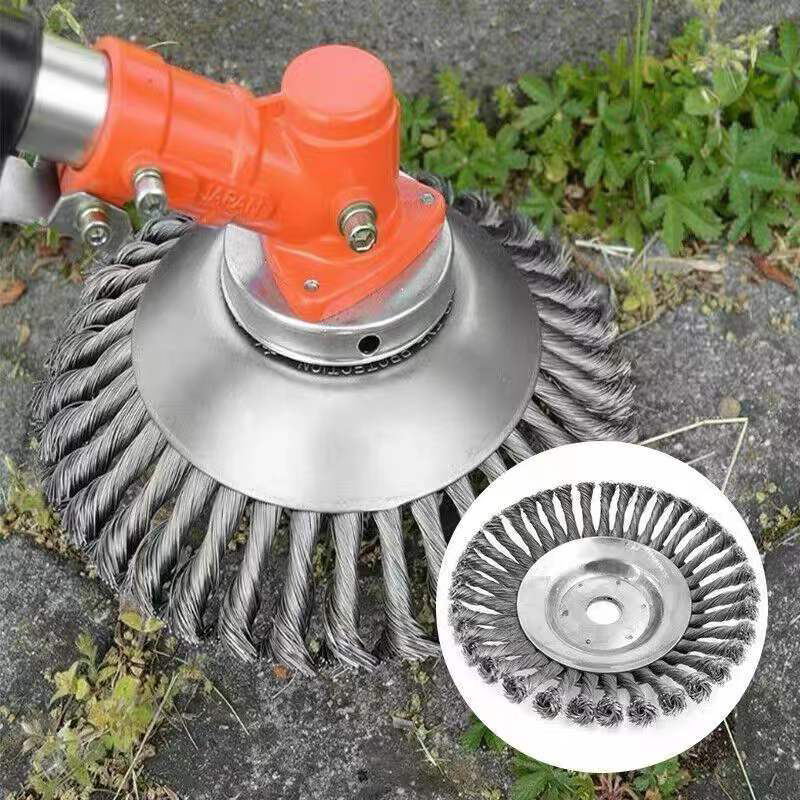
The performance of a wire wheel brush is dictated by its filament material. Carbon steel wire is the most common, valued for its strength and aggressive cutting action on rust, scale, and weld slag. Stainless steel filaments are used where contamination from carbon steel is unacceptable, such as in food processing equipment or stainless steel welding preparation. Softer brass wire is employed on softer metals like aluminum or bronze to clean without scoring the base material. For non-metallic surfaces or delicate tasks, nylon or abrasive-impregnated synthetic filaments are used. The wire diameter and temper also vary; thicker, harder wires provide more aggressive cutting, while finer, more flexible wires offer a lighter cleaning or polishing action. A manufacturer's catalog reflects this material science, offering a wire wheel brush for virtually every industrial cleaning and finishing challenge.
Beyond material, the physical design of a wire wheel brush is engineered for specific tasks. Common types include:
Knot-Type Brushes: Where wires are twisted together into small bundles before being anchored. These are extremely aggressive and durable, ideal for heavy rust and scale removal.
Crimped Wire Brushes: Feature individually crimped filaments that provide a more uniform, slightly less aggressive cutting action with good flexibility.
Fine-Gauge Stringer Bead Brushes: Used for weld cleaning, with tightly packed, fine wires that can reach into crevices.
The brush's profile also varies, from standard flat wheels to cup brushes for focused work on flat surfaces, and end brushes for cleaning inside pipes or holes. This specialization means selecting the correct wire wheel brush design is as critical as choosing the right material for the job.
Due to its high-speed rotation and exposed metal filaments, a wire wheel brush is a tool that demands strict safety protocols. The primary hazards include wire breakage (throwing filaments at high velocity), catching on the workpiece, causing kickback, and generating significant heat and sparks. Operators must always wear heavy-duty gloves, a full-face shield, and protective clothing. The workpiece must be securely clamped. The brush must never be used on its side, as this can cause it to unravel. Furthermore, inspecting the wire wheel brush for loose wires or damage before each use is mandatory. Following the manufacturer's maximum safe operating speed (RPM) rating is non-negotiable to prevent catastrophic failure due to centrifugal force.
The wire wheel brush is a foundational tool in metalworking, fabrication, and maintenance. Its primary applications include removing rust, paint, and corrosion from metal surfaces prior to welding or painting; cleaning weld seams and spatter; deburring edges after cutting; and providing a uniform surface texture for adhesion. In automotive restoration, it is indispensable to strip old undercoating and rust. While abrasive discs remove material, a wire wheel brush is often preferred for cleaning and texturing without significantly altering dimensions. Its role is one of preparation and restoration, making it a critical, cost-effective consumable in workshops, shipyards, construction sites, and manufacturing plants worldwide.
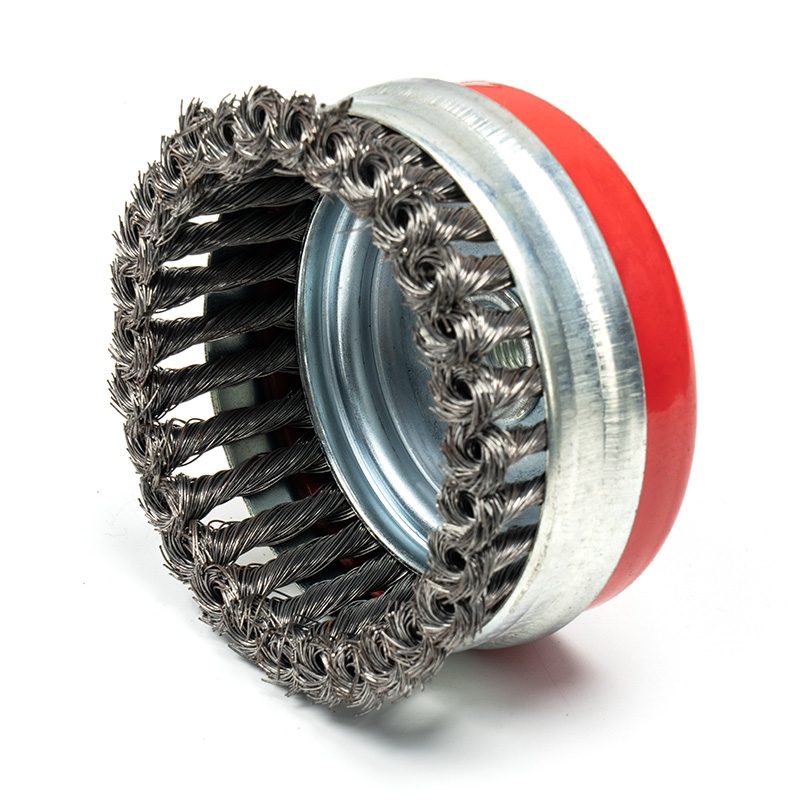
Twisted Wire Cup Wire Brush: Robust Cleaning and Surface Preparation Tool The twisted wire cup wire brush is a versatile...
See Details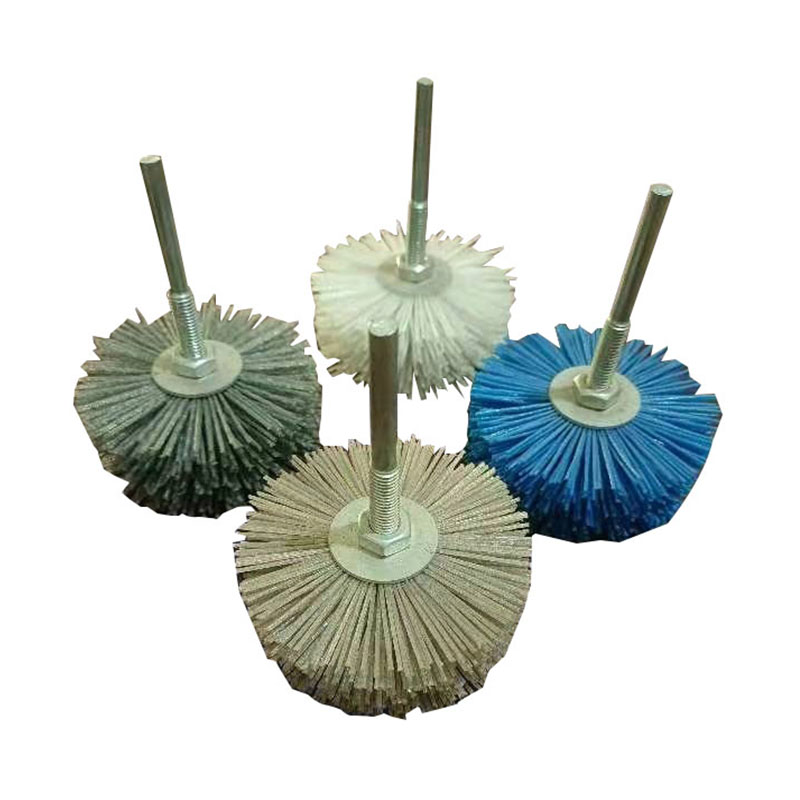
The Flower Head Wire Wheel Brush is a versatile and durable cleaning tool designed for use in various surface preparatio...
See Details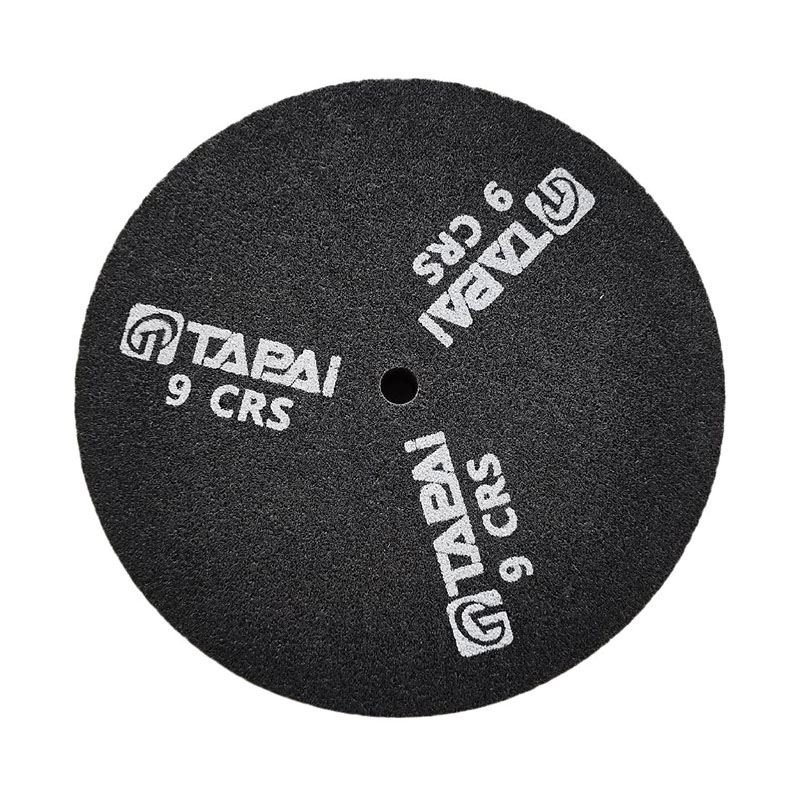
The High Temperature Resistant, Durable Non-Woven Fiber Wheel is designed for demanding surface finishing tasks in indus...
See Details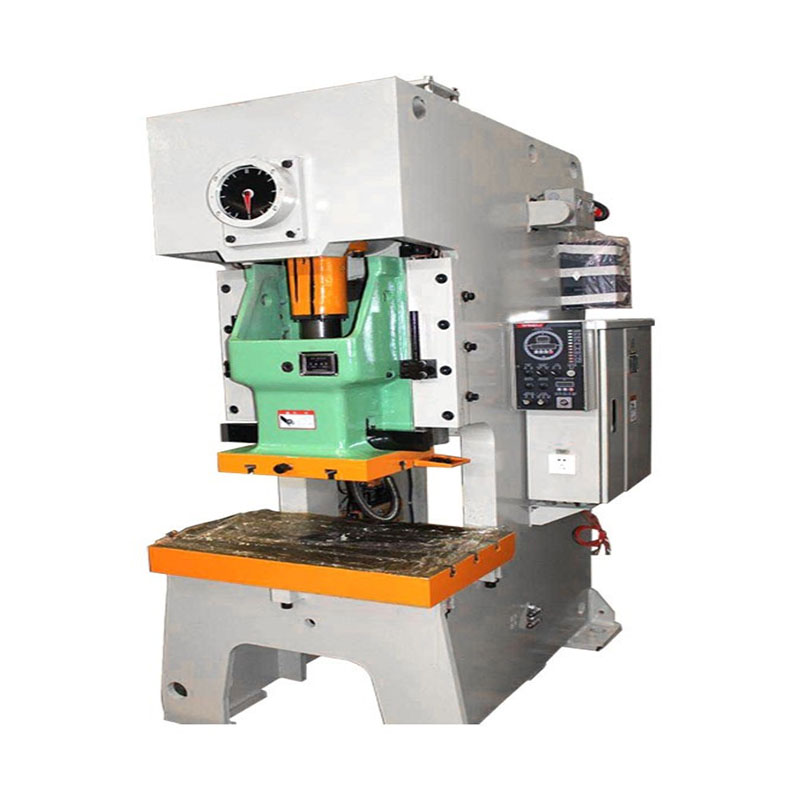
High-Performance Pneumatic PunchThe High-Performance Pneumatic Punch is a precision-engineered tool designed for high-sp...
See Details
We warmly welcome all industrial and trade companies, converters, abrasives and tool agents and distributors to join us, enjoy Tarun's platform, develop their own markets, and share world resources!
 Email:
 Phone:
+86-18867586928
 Address:
Xiaxichi Industrial Zone, Gushan Town, Yongkang City, Jinhua City, Zhejiang Province

Scan the QR code
Copyright © Yongkang Tarun Technology Co., Ltd.

Metal Processing Automatic Machine Factory

+86-18867586928


Contact Us