 English
 中文简体
 Español


Cat:Wire Wheel Brush
Featuring a bowl-shaped configuration and twisted wire bristles, this brush is suitable for industrial and automotive ap...
See Details
In a wire brush factory, production problems do not always come from the machines themselves. Sometimes, the equipment is working normally, but workers are spending too much time preparing materials, moving unfinished products, or adjusting the same operations between orders. These small tasks can gradually become a burden as the factory takes on more work.
This is often when manufacturers start looking at automation.
An Automatic Wire Brush Machine can help mechanize certain manufacturing operations, but buying one does not automatically solve every production difficulty. The machine needs to suit the brush design, the materials being processed, and the way the factory handles its orders. For some businesses, automating one stage is enough. Others may need to rethink how several machines work together.
Before making an investment, it is worth looking at what actually happens on the workshop floor.
Wire brushes are used in metal cleaning, rust removal, surface preparation, polishing, and various industrial maintenance tasks. Although the finished products may look relatively simple, their manufacturing processes can involve several operations.
Depending on the brush design, workers may need to prepare wire, arrange filling materials, position components, carry out forming operations, and complete finishing work.
When orders are regular and product specifications change very little, an established manual process may remain workable. Problems tend to become more noticeable when a factory handles several product types or receives orders with different requirements.
Imagine a workshop producing wire brushes in several sizes. Workers prepare the materials in one area, while another workstation handles the next manufacturing operation.
If the prepared materials are not ready when needed, the following operation has to wait. When this happens repeatedly, workers may spend more time coordinating tasks than actually processing products.
There are other situations worth considering:
None of these problems necessarily requires a complete production line replacement. However, they are signs that certain operations may benefit from mechanization.
For factory owners, the useful question is not simply how many brushes can be produced in a day. It is how much time, labor, and material handling are involved in getting those brushes through the workshop.
Manufacturers supplying industrial customers often deal with different brush designs and applications.
A metalworking customer may require a brush for removing rust or scale. Another buyer may need a brush for cleaning machinery components or preparing metal surfaces before further processing.
The products may use different wire materials, filling arrangements, and supporting structures.
This creates a practical challenge when equipment is designed around only one fixed production requirement. A machine that handles regular orders comfortably may require additional adjustment when the factory receives a different product specification.
That does not mean every machine needs to support a wide range of products. It means buyers should understand the equipment's actual adjustment range before purchasing it.
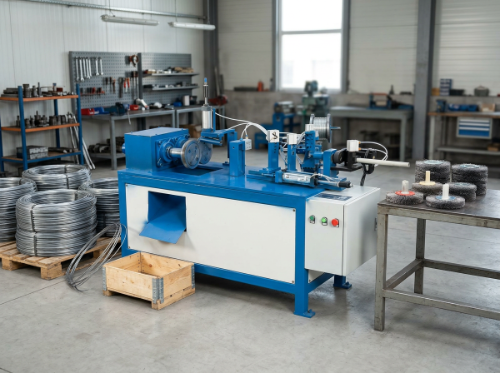
Automation is often discussed as if it were a single production solution. In reality, wire brush manufacturing involves several operations, and machinery may be designed for only one or a few of them.
Some machines focus on preparing wire materials. Others are developed for brush assembly, twisting, or finishing. Their mechanical structures and working principles can be quite different.
Take twisted wire brushes as an example. The filling material is positioned between core wires and secured through a twisting operation. The machine needs to coordinate material feeding, positioning, and twisting to produce the intended structure.
A machine designed for wheel brushes or another brush construction method will have different requirements.
This distinction matters when evaluating machinery. The name of the equipment alone does not tell a buyer whether it is suitable for a particular product.
In many workshops, certain tasks are repeated throughout the day with relatively little variation.
Wire feeding, measuring, cutting, and material positioning are examples. Depending on the production method, these operations may be suitable for mechanization.
| Operation | Typical work involved | Possible equipment function |
|---|---|---|
| Wire preparation | Unwinding, straightening, and preparing wire | Controlled feeding and preparation |
| Cutting | Preparing material sections for brush production | Mechanized measuring and cutting |
| Material arrangement | Positioning filling materials | Controlled material distribution |
| Forming | Shaping or securing brush components | Mechanized forming or twisting |
| Finishing | Trimming and preparing the finished product | Integrated or separate finishing equipment |
The actual arrangement depends on the brush type and machine configuration.
One thing manufacturers sometimes overlook is what happens after a machine completes its operation. If the next workstation cannot handle the incoming materials, the factory may simply move the waiting time somewhere else.
A useful equipment upgrade should improve the relationship between production stages, not just make one machine operate independently.
Yes. Even when several operations are automated, workers remain involved in preparing materials, monitoring equipment, checking finished products, and carrying out maintenance.
Their responsibilities may become less focused on repeated manual movements and more concerned with operating and supervising machinery.
This requires proper training. Operators need to understand the control system, recognize abnormal operating conditions, follow safety procedures, and know when the machine should be stopped for inspection.
For a factory introducing automation for the first time, training should be included in the installation and production planning process.
Before discussing machine functions, buyers should identify the products they intend to make.
Industrial wire brushes cover several product categories, including wheel brushes, cup brushes, twisted wire brushes, and other specialized designs. Their construction methods are not interchangeable.
For example, the production requirements of a twisted wire brush are different from those of a wheel brush. The way filling material is held, the supporting structure, and the forming process all influence the machinery required.
A product description can explain what a brush is used for, but it may not provide enough information about its construction.
A supplier needs to understand details such as:
Photographs are useful, but drawings or physical samples can provide additional information.
For manufacturers handling customized orders, this discussion is particularly important. A buyer may describe two products using similar names even though their manufacturing methods differ.
Providing samples early helps prevent misunderstandings about machine suitability.
Not all wire behaves in the same way during processing.
Material characteristics can influence feeding, straightening, cutting, positioning, and forming. The equipment needs to be compatible with the materials used in the intended product.
For example, if wire feeding is unstable, subsequent operations may become difficult to control. If cutting conditions are unsuitable, material preparation may need additional adjustment.
These details should be discussed with the machinery supplier rather than assumed from a general product description.
A factory does not need to automate everything at once. In some situations, replacing one manual operation may be enough to improve the way materials move through the workshop.
Consider a manufacturer that already has suitable brush-forming equipment but prepares wire manually. If this preparation stage repeatedly delays production, adding suitable wire preparation machinery may be a reasonable option.
The existing equipment can remain in use if it is compatible with the prepared materials.
This type of gradual upgrade allows manufacturers to address a specific problem without immediately changing the entire production arrangement.
For a small or medium-sized manufacturer, machinery investment needs to be closely connected to actual order requirements.
A machine that suits a factory handling regular orders may not be the right choice for a workshop producing small customized batches.
Before making a purchase, consider the following:
| Factor | Why it deserves attention |
|---|---|
| Current workload | Determines whether the equipment will be used regularly |
| Product variety | Shows whether the machine suits the intended brush range |
| Workshop space | Affects installation, operation, and maintenance |
| Available workers | Influences operator training arrangements |
| Existing equipment | Determines whether the new machine can be integrated |
| Future orders | Helps avoid choosing machinery with an unsuitable working range |
A smaller factory may find it more practical to automate a repetitive task first and review the results before making further investments.
Factories handling several production stages need to pay attention to coordination.
A machine may complete its work without difficulty, but the next operation could become a bottleneck if it cannot handle the incoming materials at the same pace.
Material storage, transfer methods, workstation arrangement, and finished product collection all affect the working process.
For this reason, larger manufacturers should discuss the complete production flow when planning new equipment.
Simply adding machinery without considering how it fits into the existing workshop can create unnecessary movement and handling.
A machine brochure can introduce its main functions, but buyers need more information before deciding whether the equipment is suitable.
The discussion should cover the intended brush, raw materials, production method, and working conditions.
Two machines may perform similar operations but differ in their adjustment methods, feeding arrangements, control systems, and maintenance requirements.
Buyers should ask the supplier to explain how the equipment handles their particular product.
Some useful questions include:
These questions are more useful than comparing equipment based only on appearance or general descriptions.
A demonstration allows buyers to see how the equipment handles materials and performs its intended operation.
Whenever possible, provide the supplier with the materials and product samples you plan to use.
During the demonstration, pay attention to how materials are loaded, how the machine operates, whether adjustments are straightforward, and what the finished brush looks like.
It is also worth discussing situations that may interrupt normal operation. For example, ask how operators should respond to feeding difficulties, material changes, or tooling wear.
A clear understanding of these details helps buyers form realistic expectations before placing an order.
Purchasing suitable machinery is only part of the process. Installation and workshop preparation also deserve attention.
A machine needs sufficient operating space, access for material loading, room for finished product collection, and enough clearance for maintenance.
Depending on its design, it may also require specific electrical connections, compressed air, or other utility arrangements.
These requirements should be confirmed before delivery.
The factory should also decide who will operate the machine and how the new equipment will fit into the existing production schedule.
During the initial production period, operators need time to become familiar with the working sequence and identify any adjustments required for normal operation.
Wire brush machinery contains moving parts and processing components that need regular attention.
Feeding mechanisms, cutting tools, transmission components, and electrical systems should be checked according to the manufacturer's maintenance instructions.
A simple maintenance record can help operators keep track of inspections and replacement work.
Buyers should also ask which components are considered routine wear parts and how technical support is arranged if a problem occurs.
These details may not seem urgent during the purchasing stage, but they become relevant once the machine is part of everyday production.
Manufacturers are paying greater attention to how different production operations work together. The discussion is no longer limited to whether an individual machine can perform a particular task.
Material preparation, machine coordination, product changeover, and production monitoring are also becoming part of equipment planning.
For factories handling different customer requirements, flexible manufacturing arrangements deserve consideration. However, flexibility needs to be understood through actual machine functions.
Can the equipment accommodate the required material? How are product changes handled? Does changing the brush design require different tooling? How much preparation is involved?
These are practical questions that help determine whether a machine will remain useful as the product range develops.
There is no single equipment arrangement that suits every brush manufacturer. A factory producing regular standard products may have different priorities from one specializing in customized industrial brushes.
The equipment investment should reflect those differences.
It is used to mechanize specific operations in wire brush manufacturing. Depending on the machine design, these may include wire feeding, cutting, material arrangement, twisting, forming, or finishing.
This depends on its mechanical design and adjustment capabilities. Some machines support different specifications within a defined product range, while others are designed for a particular brush structure.
Buyers should confirm compatibility with the supplier.
It can be suitable when repetitive manual operations create difficulties or when regular orders justify the equipment investment. Smaller manufacturers can consider automating one production stage rather than replacing the entire workshop setup.
Product photographs, drawings, material details, and information about the intended manufacturing process are useful. Buyers should also explain their current equipment arrangement and any production difficulties they want to address.
Yes. Operators need to check material conditions, machine operation, and finished products. Automation can support repeated processing, but inspection and maintenance remain part of normal factory management.
Every wire brush factory has its own manufacturing arrangement. Some businesses want to reduce repeated manual handling, others are preparing for larger orders, and some are looking for equipment to manufacture a new product range.
The right machinery depends on what needs to be produced and how the existing workshop operates.
As a wire brush machinery manufacturer, we understand that equipment selection involves more than choosing a model from a catalogue. The brush structure, material requirements, processing method, and workshop conditions all need to be considered.
If you are planning to introduce automated equipment, share your product photographs, drawings, or material samples with our team. We can discuss your manufacturing requirements and help identify a suitable machine configuration for your project.
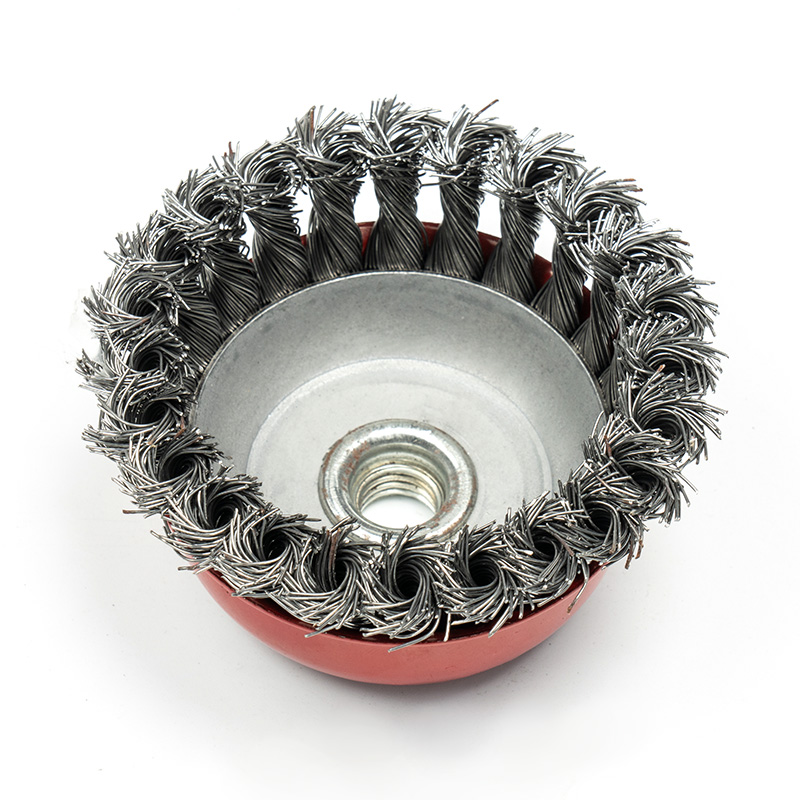
Featuring a bowl-shaped configuration and twisted wire bristles, this brush is suitable for industrial and automotive ap...
See Details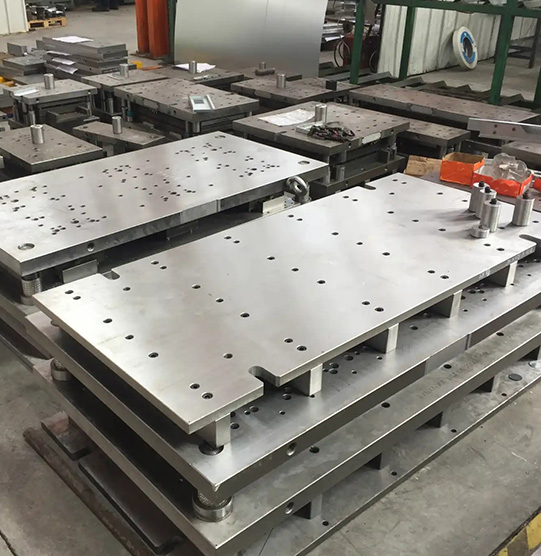
A progressive stamping die is a highly specialized tool used in the stamping industry to produce large quantities of par...
See Details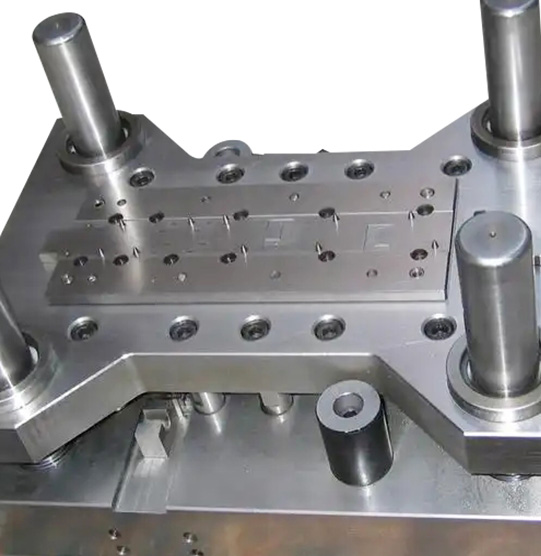
Metal drawing dies are essential tools in the metal forming process, especially when a sheet of metal needs to be reshap...
See Details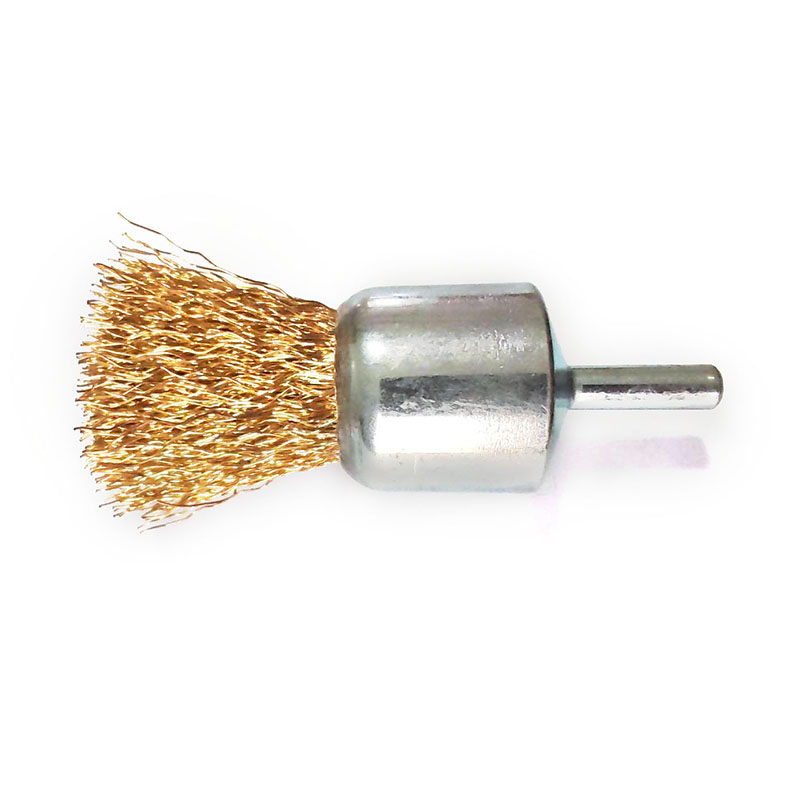
The Rust Removal Wire Brush is an essential tool designed for efficient rust removal, surface preparation, and polishing...
See Details
We warmly welcome all industrial and trade companies, converters, abrasives and tool agents and distributors to join us, enjoy Tarun's platform, develop their own markets, and share world resources!
 Email:
 Phone:
+86-18867586928
 Address:
Xiaxichi Industrial Zone, Gushan Town, Yongkang City, Jinhua City, Zhejiang Province

Scan the QR code
Copyright © Yongkang Tarun Technology Co., Ltd.

Metal Processing Automatic Machine Factory

+86-18867586928


Contact Us